Muscat Travel Guide for First-Time Visitors
Plan a first Muscat trip with honest advice on where to stay, taxis versus a car, food, key sights, safety, weather, and a realistic 3-day itinerary.
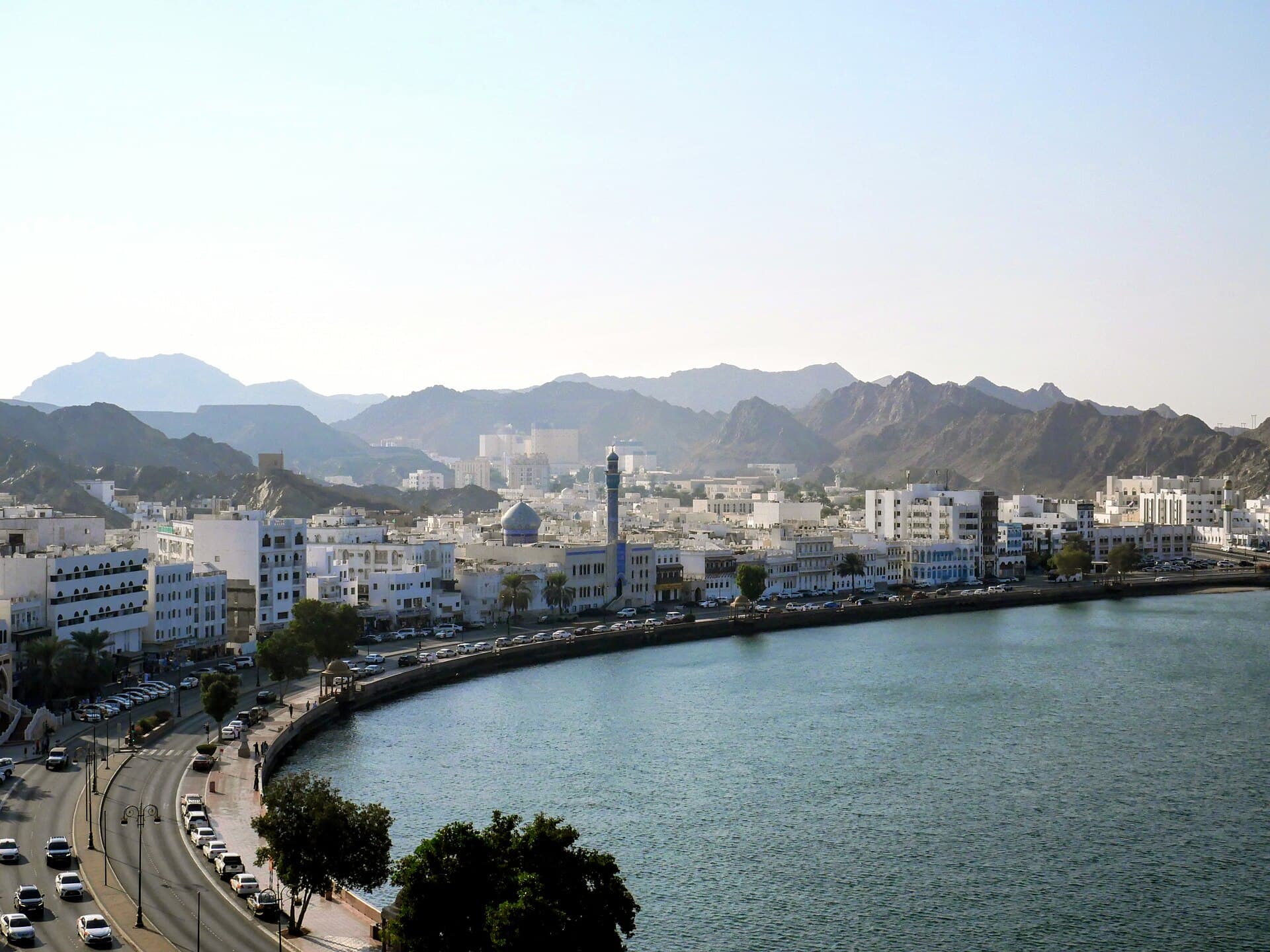
Muscat is a strong first stop in the Arabian Peninsula if you want Omani culture, dramatic mountain-and-sea scenery, serious hospitality, and a capital that feels measured rather than frantic. It is not a city where you step outside one central hotel and walk to everything. The sights stretch from the Sultan Qaboos Grand Mosque in Bawshar to Qurum, Muttrah, and Old Muscat, with highways and rocky headlands between them.
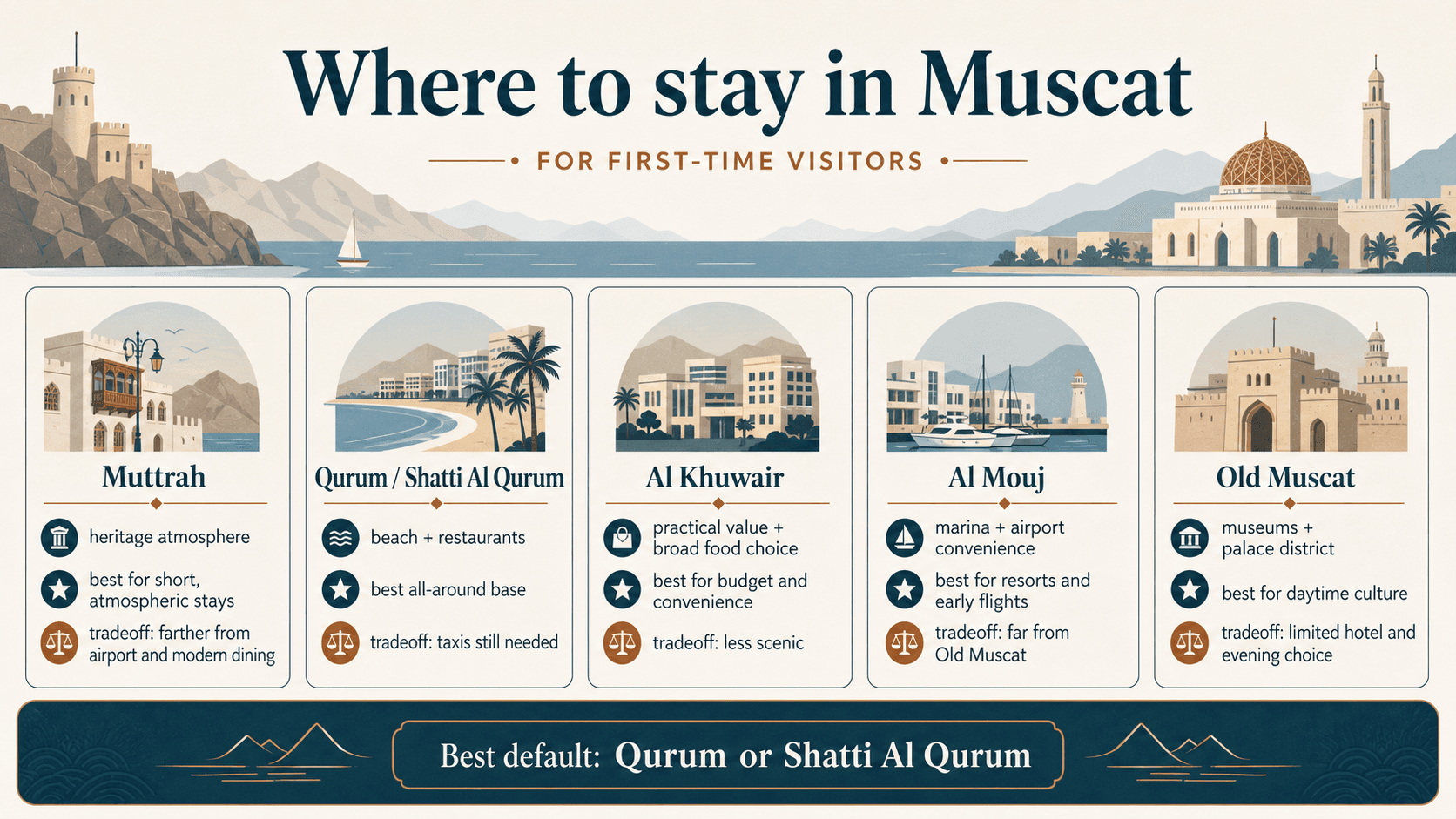
This **Muscat travel guide** is built around that reality. For most first-time visitors, **three full days** is enough for the mosque, Muttrah, Old Muscat, Qurum, Omani food, and one unhurried coastal evening. Add a fourth day if you want Wadi Shab, Nizwa, the Daymaniyat Islands, or another excursion outside the city. Qurum or Shatti Al Qurum is the best default hotel base; Muttrah is the atmospheric choice; Al Khuwair is the practical value choice.
> **Quick answer:** Stay in Qurum or Shatti Al Qurum for the best first-trip balance, use taxis or a rental car rather than expecting a walkable city, visit the Grand Mosque early, give Muttrah and Old Muscat their own half day, and keep outdoor sightseeing out of the midday heat.
Quick Facts
- {'label': 'Best trip length', 'value': '3 full days; 4 or 5 with excursions'}
- {'label': 'Best all-around base', 'value': 'Qurum or Shatti Al Qurum'}
- {'label': 'Best atmospheric base', 'value': 'Muttrah'}
- {'label': 'Best value and food choice', 'value': 'Al Khuwair'}
- {'label': 'Best time to visit', 'value': 'November to March'}
- {'label': 'Getting around', 'value': 'Taxis for city days; rental car for excursions'}
- {'label': 'Main planning mistake', 'value': 'Treating Muscat like a compact, walkable old city'}
Table of Contents
- 1.Is Muscat worth visiting for a first trip to Oman?
- 2.Where should first-time visitors stay in Muscat?
- 3.How do Muscat's areas fit together?
- 4.What is the best way to get around Muscat?
- 5.What should you eat in Muscat—and where?
- 6.What is actually worth doing in Muscat?
- 7.When is the best time to visit Muscat?
- 8.A simple 3-day Muscat itinerary
- 9.Is Muscat safe? Practical etiquette, visas, and money
- 10.Should you add Nizwa, Wadi Shab, or the Daymaniyat Islands?
Quick facts for first-time visitors
| First-trip question | Practical answer | |---|---| | Best trip length | 3 full days; 4 or 5 with excursions | | Best all-around base | Qurum or Shatti Al Qurum | | Best atmospheric base | Muttrah | | Best value and food choice | Al Khuwair | | Best time to visit | November to March for comfortable outdoor days | | Getting around | Taxis/ride apps for a city-only trip; rental car for excursions | | Currency | Omani rial (OMR); cards are common, but carry cash for the souq and small stops | | Dress | Light, loose, modest clothing; stricter coverage at the Grand Mosque | | Main planning mistake | Treating Muscat like a compact, walkable old city |
Table of contents
1. Is Muscat worth visiting? 2. Where to stay in Muscat 3. How Muscat's areas fit together 4. Getting around without wasting the day 5. What to eat and where food fits 6. What is actually worth doing 7. Best time to visit 8. A simple 3-day itinerary 9. Safety, etiquette, visas, and practical tips 10. How to add a day trip without wrecking the pace
Is Muscat worth visiting for a first trip to Oman?
Muscat is worth visiting if you want a calm introduction to Oman with mosques, forts, museums, beaches, seafood, mountain scenery, and a city that has resisted the glass-tower arms race. Its appeal is not concentrated in a single monumental center. It comes from the contrast between the polished Grand Mosque, the commercial life of Muttrah Souq, the ceremonial scale of Old Muscat, and evenings along the coast.
It is especially good for couples, solo travelers, families, and road-trippers who value culture and landscape more than nightlife. English is widely used in hotels, restaurants, and tourism settings, and the city generally feels approachable once transport is sorted.
Muscat is a weaker choice if you want a dense pedestrian city, cheap backpacker infrastructure, or bars and clubs outside your hotel. Dubai is easier for spectacle and round-the-clock entertainment. Muscat is better for travelers who would rather have coffee and dates, a quiet museum, a swim, and a mountain road than another mall pretending to be a personality.
> **Quick answer block:** Muscat is best for travelers who want culture, coast, mountains, and a slower capital. It is not ideal for a car-free urban break built around nightlife or nonstop street activity.
Where should first-time visitors stay in Muscat?
Qurum or Shatti Al Qurum is the best default for most first-time visitors because it sits between the airport-side districts and the heritage sights around Muttrah and Old Muscat. You get beach access, restaurants, hotels at several price levels, and a more pleasant evening base than a purely business-oriented district.
Qurum and Shatti Al Qurum: the best all-around base
Choose Qurum or Shatti Al Qurum if you want the easiest mix of beach, restaurants, the Royal Opera House area, and reasonable drives in both directions. Shatti is more polished and hotel-oriented; Qurum has broader everyday life and is often better value.
The tradeoff is that “near the beach” does not mean “walkable to Muscat.” You will still use taxis or a car for the Grand Mosque, Muttrah, and Old Muscat.
Muttrah: the most atmospheric stay
Choose Muttrah if waking near the Corniche, fish market, fort, and souq matters more than central logistics. Early morning and sunset are when the district earns the hotel premium: the cruise-day crowds thin, the light hits the mountains, and the waterfront feels like a real place again.
The tradeoff is distance from the airport, Grand Mosque, and modern restaurant districts. Hotel selection is also thinner. Muttrah is brilliant for two atmospheric nights, less brilliant if every dinner and excursion pickup is across town.
Al Khuwair: the practical value base
Al Khuwair is useful for midrange hotels, supermarkets, casual restaurants, and a wide mix of South Asian, Arab, Turkish, Iranian, and Omani food. It is not the Muscat of postcards, but it works well for travelers who care more about price and meal choice than waking beside the sea.
Stay near a main road with easy taxi access. Do not pick the cheapest room deep inside a block and then discover every outing begins with a sweaty walk beside traffic.
Al Mouj: airport convenience and marina polish
Al Mouj suits resort-minded travelers, marina evenings, families, and anyone with an early flight. It is modern, orderly, and close to the airport. It is also far from Muttrah and Old Muscat, so it is a poor default if heritage sightseeing is the core of a short trip.
Old Muscat: visit it, usually do not base there
Old Muscat is the ceremonial and museum district around Al Alam Palace, the National Museum, and the harbor forts. It is essential to visit but has limited hotel, restaurant, and evening choice. Unless you are booking a specific luxury property in the wider bay area, treat Old Muscat as a half-day district, not the obvious place to sleep.
How do Muscat's areas fit together?
Muscat works like a string of districts along the Gulf of Oman, not a circle around a downtown core. The airport and Al Mouj sit to the west. The Grand Mosque, Al Ghubrah, and Al Khuwair occupy the practical middle. Qurum and Shatti form the best leisure-and-dining bridge. Muttrah and Old Muscat sit farther east behind rocky headlands.
That shape explains most first-timer mistakes. A hotel can be “in Muscat” and still be 30 or 40 minutes from the sight you care about, especially in traffic. Map the exact hotel against four anchors before booking: the Grand Mosque, Qurum, Muttrah Corniche, and Old Muscat.
The smartest sightseeing pattern is geographic: mosque plus Qurum on one day; Muttrah plus Old Muscat on another. Crossing the city repeatedly because a listicle ranked attractions from one to ten is how a relaxed Oman trip turns into unpaid taxi dispatch work.
What is the best way to get around Muscat?
Use taxis or licensed ride apps for a short city-only stay, and rent a car if you are adding day trips. Public buses exist—including service at Muscat International Airport—but they are most useful when a route happens to match your plan. They do not turn Muscat into a convenient transit city for first-time sightseeing.
Airport taxis are available outside arrivals, and the airport states that city taxi drivers are required to use meters. Oman’s official tourism site also links to local taxi services such as OTaxi, Marhaba, and Tasleem. Confirm the fare or app estimate before a street pickup, especially for longer cross-city trips.
A rental car gives you freedom for Nizwa, Wadi Shab, Bimmah Sinkhole, mountain routes, and beaches. Inside Muscat, roads are broad and generally straightforward, but interchanges can be unforgiving and driving styles are faster than the city’s calm image suggests. Do not rent purely to avoid three taxi rides if you dislike unfamiliar highways.
Walking works inside small pockets: Muttrah Corniche and souq, Old Muscat around the palace and museum, Qurum Beach, or a marina area. It does not work well between those pockets. Sidewalk coverage is inconsistent, distances are deceptive, and heat can make a 15-minute map estimate feel like a personal grievance.
> **Quick answer block:** For three city days, use taxis or ride apps. For Muscat plus Nizwa, Wadi Shab, or multiple coastal stops, rent a car. Do not build the trip around buses unless you have checked the exact route and timetable.
What should you eat in Muscat—and where?
Muscat's food strength is range: Omani dishes, Indian Ocean seafood, Yemeni rice plates, Iranian grills, Levantine food, and a huge South Asian restaurant scene. The mistake is searching only for one “authentic Omani restaurant” and ignoring how the city actually eats.
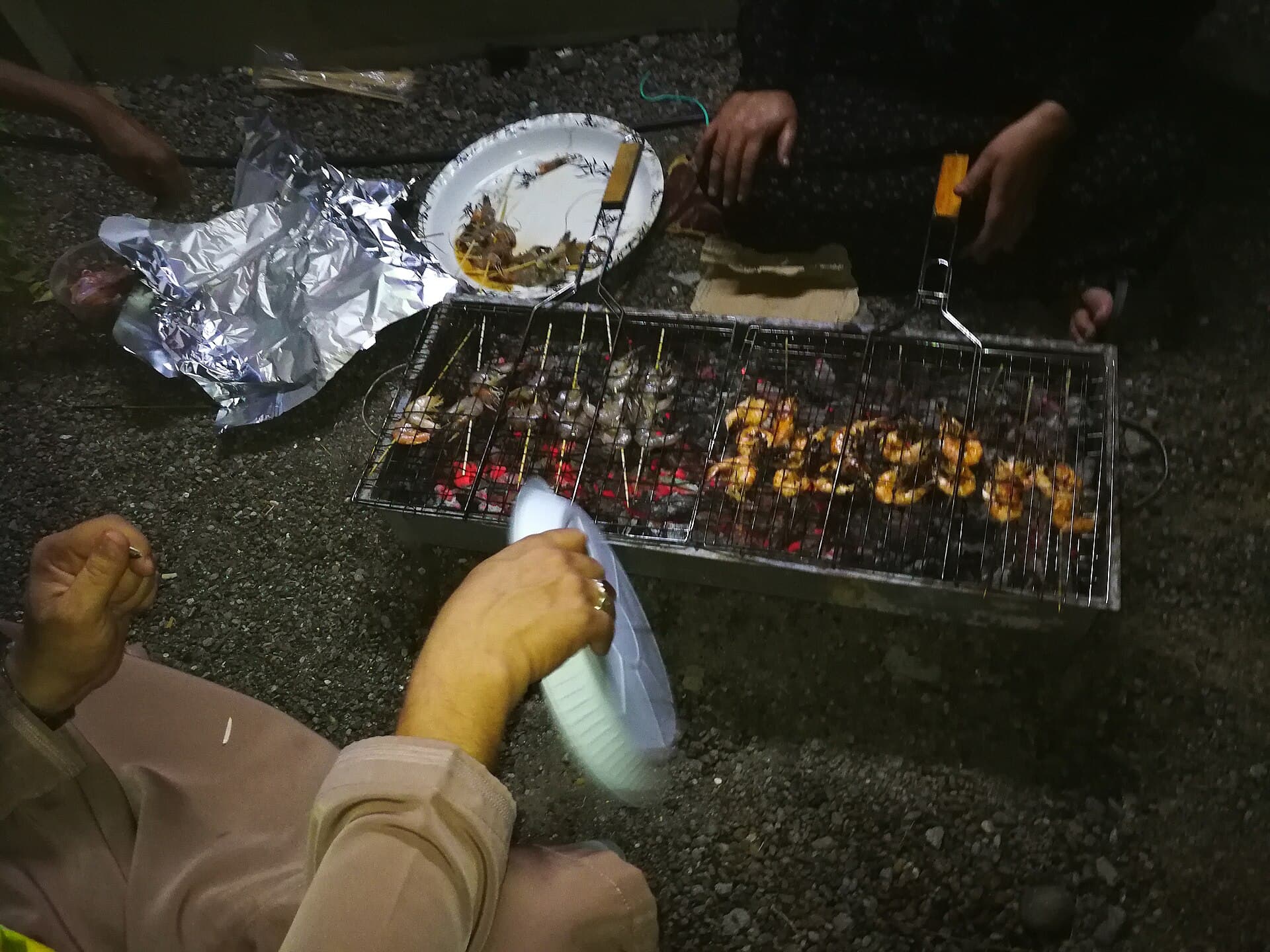
Look for **shuwa** (slow-cooked spiced meat), **majboos or makboos** (spiced rice with meat or fish), **mishkak** (charcoal-grilled skewers), **harees**, grilled local fish, and Omani **halwa** with **qahwa**. Shuwa is traditionally tied to celebrations and may require advance ordering; do not assume every restaurant serves a fresh version all day.
For a first trip, use Al Khuwair and nearby districts for broad, good-value restaurant choice; Qurum and Shatti for polished dinners and seafood; Muttrah for simple grills, juices, tea, and snacks around the Corniche; and a dedicated Omani restaurant for one meal where the regional dishes are the point.
Alcohol is limited to licensed hotels and venues and is expensive. Muscat is not a bar-crawl city. Build evenings around dinner, beach walks, coffee, tea, and the Corniche, then treat a hotel drink as an optional extra rather than the engine of the night.
What is actually worth doing in Muscat?
The best first visit prioritizes four anchors: Sultan Qaboos Grand Mosque, Muttrah, Old Muscat, and one coastal or cultural experience around Qurum. Everything else should earn its place based on your interests.
Start with Sultan Qaboos Grand Mosque
The Grand Mosque is Muscat's essential architectural visit, and it should be done early. The mosque's official site currently lists non-Muslim visiting hours from **8:30 a.m. to 11:00 a.m., except Friday**. Hours can change around religious dates, so check again before you go.
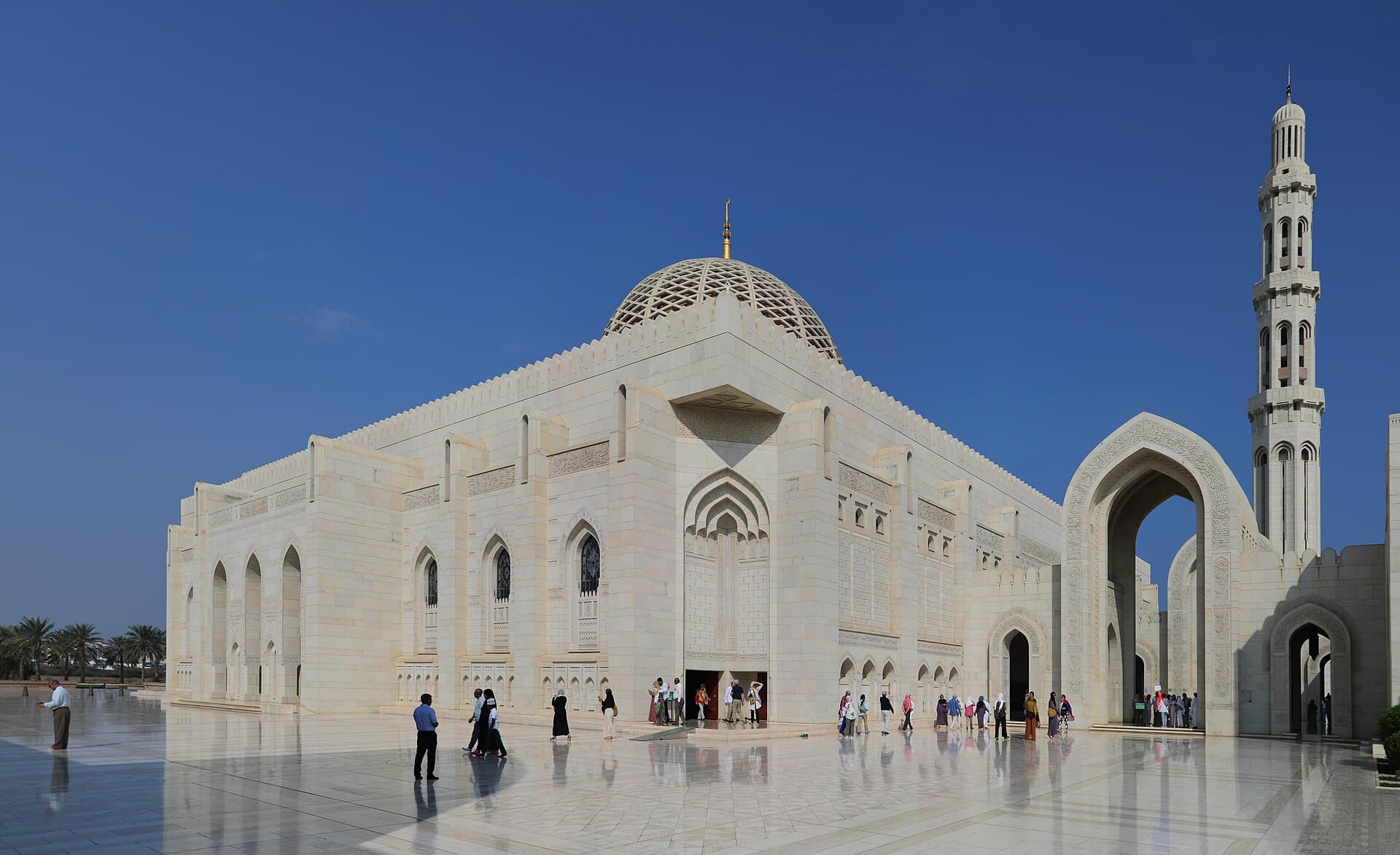
Wear loose clothing covering shoulders and legs; women must cover their hair. Bring a scarf rather than assuming one will materialize at the entrance. Shoes come off for interior prayer spaces, so easy footwear helps.
Give Muttrah more than a shopping stop
Muttrah works best as a sequence: fish market or harbor in the morning, fort or waterfront viewpoints if open, Corniche near sunset, then the souq when the lanes become livelier. The souq sells frankincense, perfume oils, textiles, silver-colored souvenirs, clothing, and plenty of objects that have traveled farther than you did.
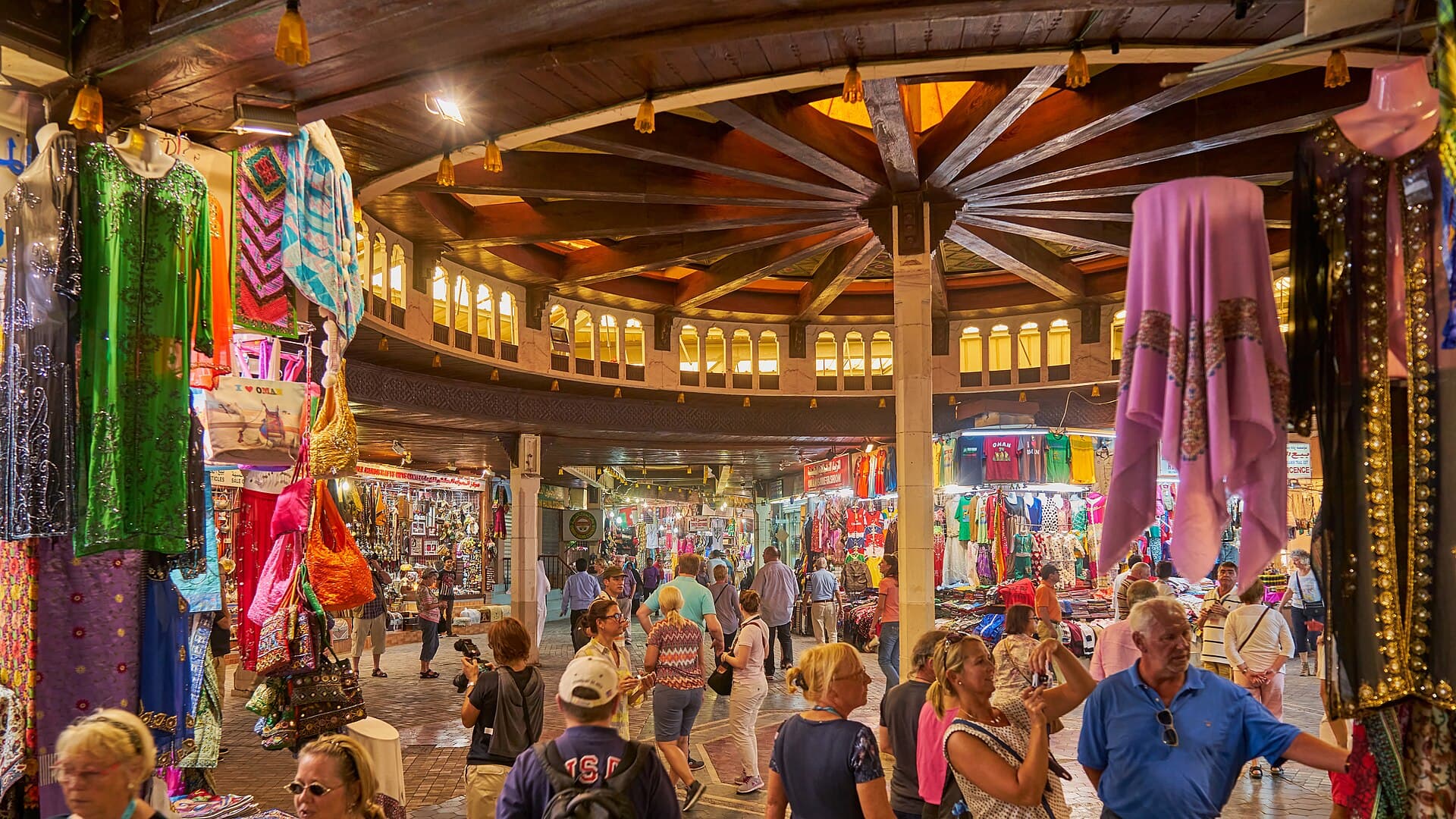
Bargaining can be appropriate, but keep it civil and recognize that not every price is theatre. If buying silver, antiques, or high-value frankincense, ask specific questions about origin and quality rather than letting atmosphere do the due diligence.
Use Old Muscat for context
Old Muscat is where the National Museum, Al Alam Palace frontage, and Al Mirani and Al Jalali forts make Oman's state history visible. The palace is viewed from outside; the National Museum is the place to spend your actual time. Its galleries are a better foundation for the trip than photographing the palace gates and immediately leaving.
Combine Old Muscat with Muttrah because they are close. Making it a separate cross-city outing is poor logistics unless you have a specific museum or tour booking.
Choose Qurum for the city at ease
Qurum Beach, the Royal Opera House area, and nearby dining give you a different Muscat: greener, more contemporary, and less concentrated on heritage sights. Check the Royal Opera House calendar before the trip if a performance interests you. Otherwise, the building and surrounding area still fit naturally with a Qurum afternoon or evening.
A boat trip can be worthwhile for dolphin watching, snorkeling, or seeing the coast from the water, but operator quality and sea conditions matter. The Daymaniyat Islands deserve most of a day and should not be squeezed between a mosque visit and Muttrah sunset.
When is the best time to visit Muscat?
November through March is the easiest period for most visitors because mornings, evenings, beaches, and outdoor sights are more comfortable. This is also peak season, so the best-located hotels and popular excursions can cost more.
October and April can be good shoulder months if you tolerate heat and plan outdoor time early. May through September is intensely hot, with summer humidity adding to the strain near the coast. A cheap summer hotel is not automatically good value if half your plan becomes air-conditioning recovery.
Ramadan moves through the calendar. The city becomes quieter during daylight, some restaurants adjust hours, and eating or drinking publicly during fasting hours may be restricted or disrespectful. Evenings can be lively and rewarding, but a Ramadan trip needs different meal and attraction planning.
Rain is limited, but when storms arrive, flash flooding can affect wadis and roads. Never enter a wadi because the sky above your specific parking spot looks clear; water can arrive from rain in the mountains.
A simple 3-day Muscat itinerary
A good three-day Muscat itinerary groups sights by geography and leaves evenings loose. You are visiting a capital, not trying to clear it like airport security.
Day 1: Grand Mosque, Qurum, and the modern city
Visit Sultan Qaboos Grand Mosque at opening or soon after. Continue to the Royal Opera House area, then have lunch around Qurum, Shatti, or Al Khuwair. Use the hottest hours for a long meal, hotel break, or indoor stop. Finish with Qurum Beach and dinner nearby.
Day 2: Muttrah and Old Muscat
Start with Muttrah's harbor or fish market, then move to Old Muscat for the National Museum and palace frontage. Return to Muttrah later for the Corniche, fort if timing allows, sunset, and the souq. Eat nearby or head back toward Qurum/Al Khuwair for a wider dinner choice.
Day 3: choose coast, culture, or a slower city day
Choose one direction. Book a snorkeling or dolphin trip if the sea is the priority. Stay in the city for Bait Al Zubair, more Old Muscat context, Qurum, and an Omani meal if culture is the priority. Or use the day for a resort beach, spa, and an unhurried dinner if the trip needs recovery more than another checklist.
Do not bolt Wadi Shab onto the same day as a major Muscat sightseeing plan. It involves a drive, boat crossing, walking, swimming, heat management, and changing clothes—the sort of “half-day” that keeps eating until dinner.
Is Muscat safe? Practical etiquette, visas, and money
Muscat generally feels safe and orderly, but the practical risks are road accidents, heat, dehydration, sea conditions, and flash floods more than street crime. Use normal precautions with valuables, avoid isolated beaches after dark, and take traffic seriously even when the city feels calm.
Dress modestly in public: shoulders and knees covered is a useful default, with stricter requirements at mosques. Swimwear belongs at beaches and pools, not shops and hotel lobbies. Public displays of affection should be restrained. Ask before photographing people, especially women, and never photograph military or sensitive government sites.
Oman visa rules depend on nationality. The Foreign Ministry states that visitors from more than 100 countries and regions may enter visa-free for stays up to 14 days, subject to eligibility and conditions; GCC citizens do not need visas. Check your exact passport in the Royal Oman Police eVisa eligibility tool before booking rather than trusting a travel blog's two-year-old screenshot.
The Omani rial is a high-value currency, so decimals matter. Cards work widely in hotels, malls, and established restaurants. Carry small cash for markets, simple cafes, parking, tips, and roadside stops. ATMs are common; avoid doing mental conversion after a long flight and accidentally treating one rial like one dollar.
Tap water is treated, but many visitors prefer bottled or filtered water. Carry more water than feels necessary on outdoor days. Travel insurance should cover medical care, driving, hiking, and water activities you actually plan to do.
> **Quick answer block:** Muscat is generally comfortable for visitors, but conservative etiquette, road safety, heat, and flash-flood awareness matter. Verify visa eligibility with the Royal Oman Police and check current attraction hours before travel.
Should you add Nizwa, Wadi Shab, or the Daymaniyat Islands?
Add one excursion only after giving Muscat two proper days. **Nizwa** is best for forts, souq atmosphere, and inland Oman; it works well with a rental car and an early start. **Wadi Shab and Bimmah Sinkhole** are best for active travelers comfortable with heat, walking, swimming, and a longer coastal day. **The Daymaniyat Islands** are best for snorkeling and marine life, with a reputable operator and a full weather-dependent window.
Do not combine Nizwa and Wadi Shab in one day. They sit in different directions and serve different trips. Also do not assume a standard rental car covers every mountain road or off-road route; check the vehicle and insurance rules before turning a cheap sedan into a geology experiment.
If you only have three days, staying in Muscat is not a failure. The capital already gives you the mosque, heritage districts, coast, food, and a clearer first look at Oman than a schedule built from dawn departures and damp hiking shoes.
Bottom line
Muscat rewards visitors who plan around distance, heat, and atmosphere instead of chasing a conventional downtown. Stay in Qurum or Shatti for balance, Muttrah for character, or Al Khuwair for value. Use taxis for a city break and rent a car when the trip genuinely leaves the city.
Visit the Grand Mosque early, pair Muttrah with Old Muscat, make room for Omani food beyond a hotel buffet, and keep one day flexible for the coast or a deeper cultural stop. Three well-paced days will show you more of Muscat than four days spent crossing it back and forth because every attraction looked adjacent on a zoomed-out map.
Let Fare Window find the best fares for your next trip.
Track routes, watch price changes, and get smarter alerts before you book.
Start tracking faresKeep planning
Related travel guides
Explore more first-time destination guides while you compare routes, seasons, and trip shapes.