
Amsterdam Travel Guide for First-Time Visitors
A practical Amsterdam travel guide for first-time visitors, with where to stay, neighbourhood tradeoffs, getting around, food, things to do, safety tips, and a simple itinerary.
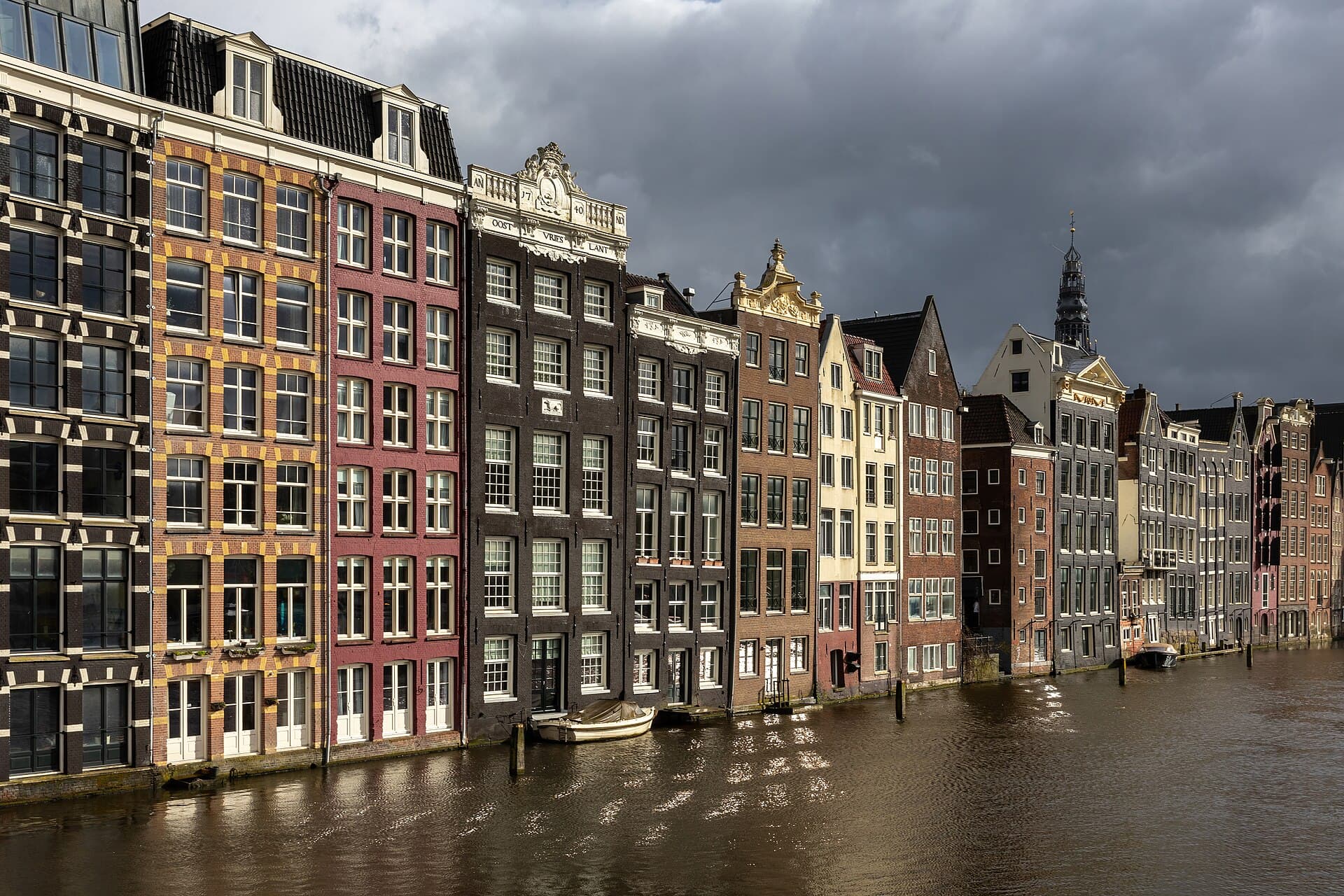
Amsterdam is one of Europe’s easiest cities to like quickly, and one of the easiest to do badly if you arrive with a checklist and no plan. The canals, museums, bikes, brown cafés, Indonesian restaurants, market streets, and gabled houses are all real. So are the crowds around Damrak, the Red Light District weirdness, the tram confusion, and the bike-lane near-death experiences.
The best first Amsterdam trip is not about seeing every museum, canal, square, and neighbourhood. It is about choosing a good base, booking the few things that actually need booking, and leaving enough time to wander without drifting into the tourist grinder.
**Quick answer:** For a first Amsterdam trip, stay in the Canal Belt, Jordaan, De Pijp, Museum Quarter, or Oud-West. Walk as much as possible, use trams and metro selectively, book the Anne Frank House and major museums ahead, and give yourself one slow canal-side evening instead of turning the city into an attraction spreadsheet.
Quick Facts
- Best first-time bases: Jordaan, Canal Belt, De Pijp, Museum Quarter, Oud-West, or near Centraal for convenience.
- Best trip length: 3 nights for the basics; 4 nights for museums plus slower neighbourhood time.
- Best time: April-June and September-October for a good weather/crowd balance.
- Transport rule: walk first, use trams/metro selectively, and skip car rental inside Amsterdam.
- Biggest mistake: packing too many museums, tourist streets, day trips, and bike plans into the first visit.
Table of Contents
- 1.Is Amsterdam worth visiting for first-time travelers?
- 2.Where should first-time visitors stay in Amsterdam?
- 3.How many days do you need in Amsterdam?
- 4.How should you get around Amsterdam?
- 5.What should you do on a first Amsterdam trip?
- 6.What should you eat in Amsterdam?
- 7.What safety and practical tips matter most?
- 8.What is a simple first-time Amsterdam itinerary?
- 9.When is the best time to visit Amsterdam?
- 10.What should first-timers skip or save for later?
Quick facts for first-time visitors
- **Best for:** walkable city breaks, museums, canals, cafés, casual food, design, nightlife, and easy first European trips - **Less ideal for:** bargain lodging, car-based travel, heavy luggage on stairs, and travelers who hate bikes, crowds, or damp weather - **Best trip length:** 3 nights for the basics; 4 nights if you want museums plus neighbourhood wandering without rushing - **Best areas to stay:** Jordaan, Canal Belt, De Pijp, Museum Quarter, Oud-West, or near Centraal for short logistics-heavy stays - **Best time to visit:** April to June and September to October for a better balance of weather and crowd pressure - **Transport reality:** Amsterdam is a walking city first, a tram city second, and absolutely not a “just rent a car” city
Is Amsterdam worth visiting for first-time travelers?
Amsterdam is worth visiting if you want a compact city where the main pleasures sit close together: canals, museums, markets, cafés, restaurants, parks, and beautiful streets you can enjoy without a complicated itinerary.
The city works best for travelers who like wandering and atmosphere as much as landmark ticking. Amsterdam does not reward a brutal schedule in the same way as bigger capitals. The best moments are often smaller: walking along the Prinsengracht after dinner, sitting in a brown café, taking the tram through a local-feeling street, or realizing that a normal bridge view would be a postcard anywhere else.
The tradeoff is that central Amsterdam is extremely popular. Damrak, the streets around Centraal, the Red Light District, parts of Leidseplein, and the main museum routes can get thick with people. If you only see those areas, you may leave thinking Amsterdam is a pretty city being slowly mugged by stag parties.
Give it a better chance. Stay slightly away from the noisiest core, plan your museum slots, use neighbourhoods as the structure of the trip, and treat the canals as the main event rather than scenery between attractions.
Where should first-time visitors stay in Amsterdam?
First-time visitors should usually stay in or near the Canal Belt, Jordaan, De Pijp, Museum Quarter, or Oud-West. The right choice depends on whether you want beauty, convenience, food, quiet, or museum access.
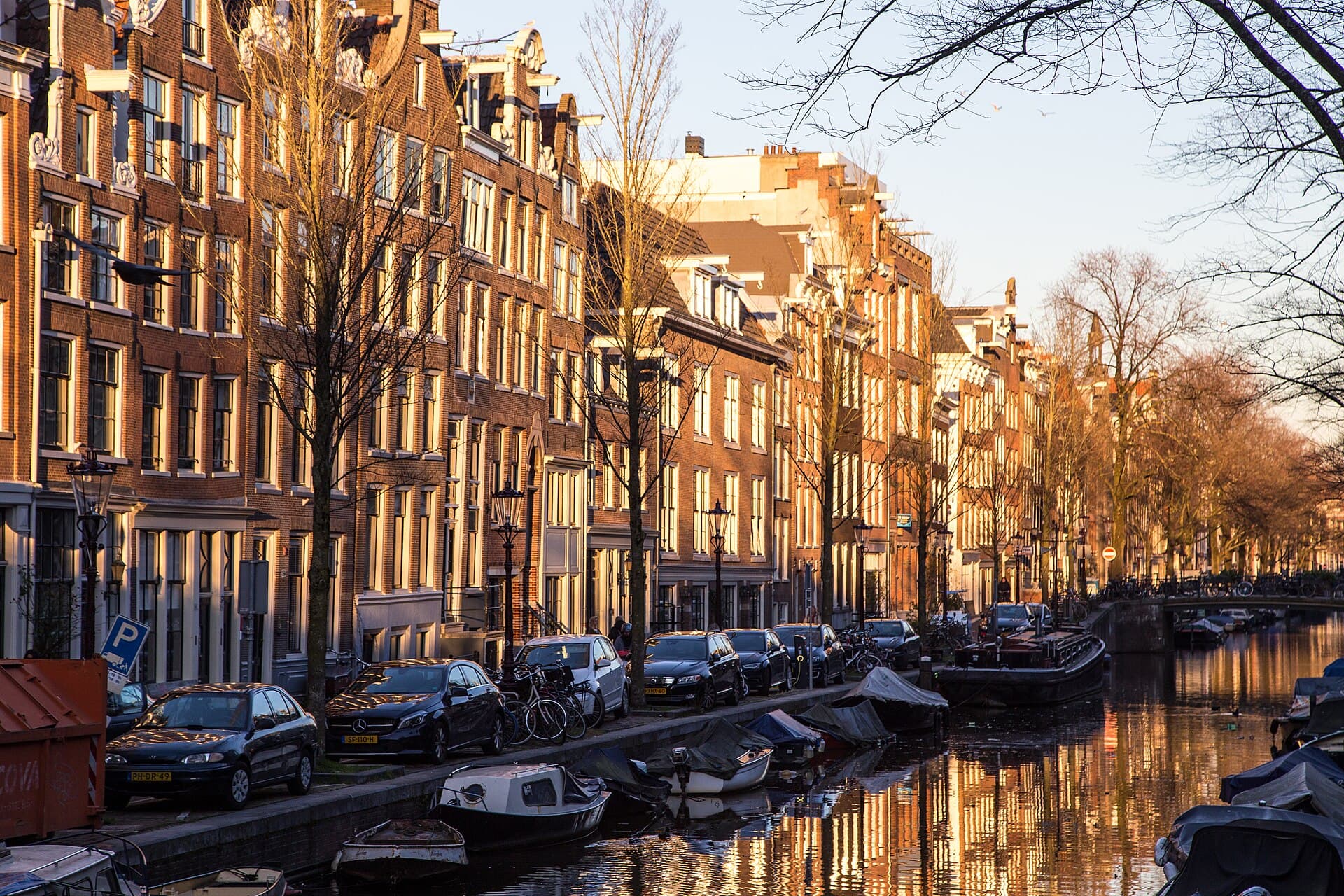
The **Jordaan** is one of the best overall choices if your budget allows it. It gives you canals, cafés, small shops, pretty streets, and easy access to the Anne Frank House and west canal belt without feeling as chaotic as the core tourist streets. It is romantic without trying too hard, which is Amsterdam at its best.
The **Canal Belt** is the classic first-timer base. It is central, beautiful, walkable, and close to nearly everything. The downside is price and the risk of staying on a noisy or heavily trafficked stretch. A canal-house hotel sounds dreamy until your room is up a staircase designed by a sadist with a ladder fetish.
**De Pijp** is good for food, cafés, Albert Cuyp Market, and a more lived-in feel while still being easy to reach by tram or metro. It is a smart choice if you want Amsterdam to feel less museum-case perfect and more everyday.
The **Museum Quarter** works well if the Rijksmuseum, Van Gogh Museum, Stedelijk, Concertgebouw, and Vondelpark are priorities. It is calmer and polished, though less atmospheric at night than the Jordaan or canal belt. **Oud-West** is useful for restaurants, bars, Vondelpark access, and slightly better value.
Staying right by **Amsterdam Centraal** is convenient for short trips, early trains, or luggage-heavy arrivals. It is not my favourite base for atmosphere. The streets immediately around the station can feel busy and generic compared with the neighbourhoods a little farther out.
How many days do you need in Amsterdam?
Three nights is the best minimum for a first Amsterdam trip. That gives you enough time for one major museum day, one canal/neighbourhood day, a food-focused evening, and a little slack for weather or slow wandering.
Two nights can work if Amsterdam is part of a larger Europe trip, but you will need to choose carefully. Do not try to squeeze in the Anne Frank House, Rijksmuseum, Van Gogh Museum, a canal cruise, De Pijp, Jordaan, Red Light District, Vondelpark, and a day trip. That is not a city break. That is a hostage negotiation with Google Maps.
Four nights is better if you want a calmer trip. It lets you add Haarlem, Zaanse Schans, Utrecht, or a slower day in Amsterdam-Noord without stealing time from the city itself. For a first visit, I would rather spend four nights in Amsterdam than two nights plus two rushed day trips.
How should you get around Amsterdam?
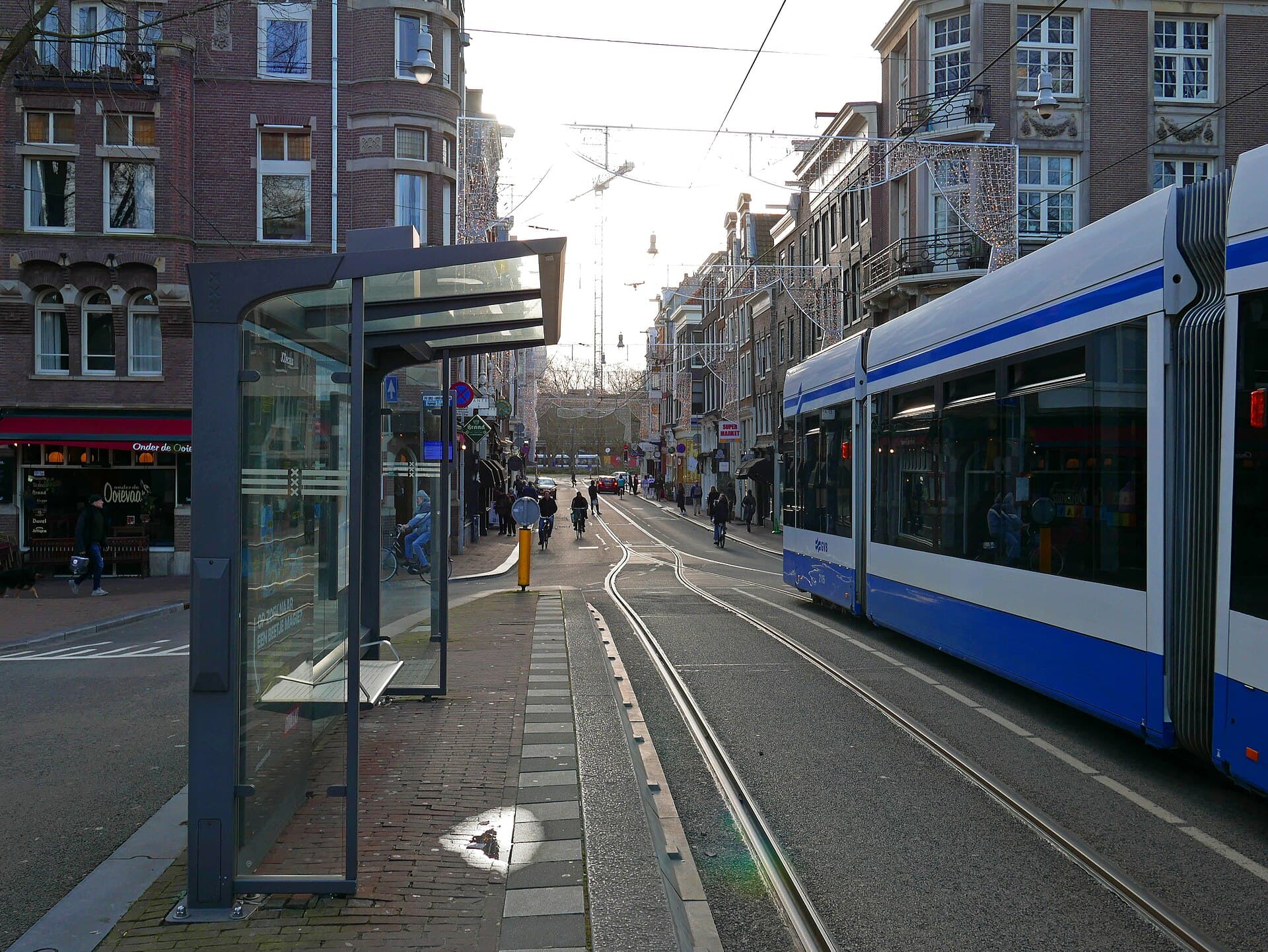
Amsterdam is best handled on foot with selective tram, metro, ferry, and train use. Walking is the main pleasure, but trams are extremely useful when you are crossing between Centraal, Museum Quarter, De Pijp, Jordaan, and Oud-West.
The biggest first-timer mistake is misunderstanding bikes. Amsterdam is famous for cycling, but that does not mean every visitor should rent a bike immediately. Locals ride with speed, confidence, and an unwritten language that tourists do not magically absorb with a rental receipt. If you are nervous, jet-lagged, or staying central, walk and use trams first.
Bike lanes are serious traffic lanes. Do not stand in them for photos. Do not wander into them while looking at a canal house. Do not assume a bell means “hello.” It means move, and the bell is the polite version.
Public transport is straightforward once you stop overthinking it. Use contactless payment or a transit card, tap in and out when required, and use Google Maps or the local transit app for tram routes. The metro is useful for longer jumps, while free ferries from behind Centraal are useful for Amsterdam-Noord.
Taxis and rideshares are rarely needed inside the center unless you have luggage, mobility constraints, late-night plans, or terrible weather. Cars are a liability. Do not rent one for Amsterdam itself.
What should you do on a first Amsterdam trip?
A first Amsterdam trip should include one major museum, one canal-focused walk or cruise, one neighbourhood wander, one market or food street, and one evening where you do not schedule much at all.
For museums, choose deliberately. The **Rijksmuseum** is best for Dutch masters, national history, and a sense of scale. The **Van Gogh Museum** is easier to understand emotionally and often a better single pick for travelers who do not want a huge museum day. The **Anne Frank House** is powerful and requires advance booking. Do not treat it like a casual add-on.
A canal cruise can be worthwhile if you choose a smaller boat or a less cattle-herd experience. It helps you understand the city’s shape. But walking the canals is just as important. The west canal belt, Jordaan, Nine Streets, Brouwersgracht, and quiet side canals are where Amsterdam actually becomes memorable.
Visit **De Pijp** for Albert Cuyp Market, cafés, and a more local rhythm. Visit **Vondelpark** if the weather is good and you need a break from stone, bikes, and museum lighting. Cross to **Amsterdam-Noord** if you want a low-effort change of scenery, waterfront space, and a reminder that the city is not only the postcard center.
The Red Light District is complicated. Some first-timers are curious; others should skip it. If you go, go with awareness and respect. Do not photograph sex workers. Do not treat the area like a zoo. And if the whole scene feels depressing after ten minutes, congratulations, your instincts still work.
What should you eat in Amsterdam?
Amsterdam food is better than its old reputation, but first-timers need to avoid eating only beside attractions. The city is strongest when you mix Dutch snacks, Indonesian food, casual neighbourhood restaurants, bakeries, markets, and brown cafés.
Try Dutch classics without making them the whole trip: bitterballen with drinks, fries with sauce, apple pie, pancakes, herring if you are curious, and stroopwafels when they are fresh rather than tourist-window sad. Dutch food is not trying to seduce you with drama. It is more like, “Here is something fried, dairy-adjacent, or structurally beige. You’ll be fine.” Often, you will be.
Indonesian rijsttafel is one of the most distinctive Amsterdam meals for visitors, tied to Dutch colonial history and now part of the city’s restaurant landscape. Book a good one if you want a proper sit-down meal that feels more Amsterdam-specific than another generic modern European dinner.
For casual food geography, **De Pijp**, **Oud-West**, **Jordaan**, and **Amsterdam-Oost** are usually better bets than eating right on the most obvious tourist streets. Albert Cuyp Market is useful for snacks and grazing. Foodhallen can work for groups, though it can feel polished and busy.

What safety and practical tips matter most?
Amsterdam is generally safe for first-time visitors, but the practical risks are bike lanes, pickpocketing in crowded areas, tourist scams, bad drug decisions, and underestimating how expensive central hotels can be.
The bike-lane rule matters enough to repeat: look both ways before crossing anything that looks like a lane, path, or suspiciously smooth strip of pavement. Cyclists are not props in your European vacation montage.
Pickpocketing can happen around Centraal, trams, Damrak, major squares, and crowded tourist zones. Use normal city awareness: zipped bags, phones not hanging off café tables, wallets not living in back pockets like tribute.
Cannabis is legal-ish and visible, but do not build your whole first trip around coffeeshops unless that is genuinely your thing. Edibles and strong products can hit harder than expected, and being too high in a confusing city full of bicycles is not a personality upgrade.
Book major attractions early. The Anne Frank House is the big one. Van Gogh Museum and Rijksmuseum also benefit from timed tickets. If you care about a specific restaurant, book that too.
Pack for wet weather even when the forecast looks friendly. Amsterdam rain often behaves like it has commitment issues: drizzle, wind, sun, then more drizzle because apparently the city signed a subscription.
What is a simple first-time Amsterdam itinerary?
A simple first-time Amsterdam itinerary should group days by area instead of bouncing across town.
**Day 1: Arrival and canal belt orientation.** Check in, walk the west canal belt or Jordaan, keep dinner near your hotel, and do not overplan. If you arrive early, take a canal cruise to understand the city’s layout.
**Day 2: Museum Quarter and Vondelpark.** Book the Rijksmuseum or Van Gogh Museum, not both unless you are genuinely museum-hungry. Walk through Museumplein, use Vondelpark as a reset, and have dinner in De Pijp or Oud-West.
**Day 3: Jordaan, Anne Frank House, Nine Streets, and brown cafés.** If you get Anne Frank House tickets, build the day around that area. Wander the Jordaan, browse the Nine Streets, stop for apple pie or drinks, and keep the evening loose.
**Day 4: De Pijp, market food, Amsterdam-Noord, or a day trip.** Use this day for Albert Cuyp Market, a slower neighbourhood plan, the ferry to Noord, or a nearby day trip like Haarlem or Utrecht. Do not add a day trip if you have not actually enjoyed Amsterdam yet. That is travel FOMO wearing sensible shoes.
For a three-night version, combine De Pijp with the Museum Quarter and skip the day trip. For a two-night version, choose one museum, one canal/Jordaan walk, one good dinner, and accept that you are sampling the city rather than conquering it.
When is the best time to visit Amsterdam?
The best time to visit Amsterdam is usually April to June or September to October. Spring brings tulips and longer days, but also higher demand. Fall is often a better balance of atmosphere, manageable crowds, and restaurant/café comfort.
Summer has long evenings and energy, but it can be crowded and expensive. If you visit in July or August, book lodging early and stay slightly away from the worst tourist zones if you want the city to feel pleasant.
Winter can be underrated if you like museums, cafés, lower hotel pressure, and moody canals. The downside is short days, damp cold, and less outdoor lingering. Amsterdam in winter is beautiful, but it is not trying to flatter you.
Weekdays are calmer than weekends. If hotel prices look absurd, check for major events, conferences, holidays, or tulip-season pressure. Amsterdam is not a cheap city, and central lodging is often the first place you feel that.
What should first-timers skip or save for later?
First-timers should skip the idea that they need to see everything. Amsterdam is best when you leave room for walking, not when you stack attractions like you are building a municipal résumé.
Skip renting a bike on day one if you are not confident. Skip eating every meal on Damrak, Leidseplein, or beside a major attraction. Skip a packed Red Light District night if it does not interest you. Skip day trips if you only have two or three nights and have not given the city itself enough time.
Save deeper Amsterdam-Noord exploring, multiple day trips, specialty museums, serious nightlife, and long cycling routes for a second visit. Also save “I will casually visit three museums in one day” for the fictional version of yourself who does not need lunch, sunlight, or a functioning spine.
The best first Amsterdam trip is simple: stay well, walk intelligently, book the handful of scarce things, eat away from the worst tourist streets, and let the canals do their job.
Let Fare Window find the best fares for your next trip.
Track routes, watch price changes, and get smarter alerts before you book.
Start tracking faresKeep planning
Related travel guides
Explore more first-time destination guides while you compare routes, seasons, and trip shapes.


