
Bali Travel Guide for First-Time Visitors
A practical Bali travel guide for first-time visitors, with where to stay, how to get around, what to eat, what to do, safety tips, and a simple itinerary.

Bali is one of the easiest places in Southeast Asia to love quickly and one of the easiest to plan badly. The island is beautiful, friendly, food-obsessed, and set up for visitors, but it is not a tiny beach resort where you can casually “see everything” between brunch and sunset. Traffic is real, distances lie, beach towns have very different personalities, and the best first trip usually comes from choosing two good bases instead of trying to collect the whole island like passport stickers.
For most first-time visitors, the best Bali plan is simple: spend a few nights in Ubud for culture, rice terraces, temples, and slower inland days, then move to one beach area that matches your style. Choose Seminyak for polished restaurants and a softer landing, Canggu for cafés, surf energy, and nightlife with traffic attached, Sanur for calm water and easier family pacing, Uluwatu for cliffs and beaches if you can handle spread-out logistics, or Nusa Dua if you want resort comfort more than local texture.
The mistake is booking one hotel because the map looks small. Bali punishes lazy geography. Pick your base with intent, hire drivers for longer days, avoid scooter bravado unless you already ride confidently, and leave room in the itinerary for slow meals, traffic, ceremonies, weather, and the fact that “only 12 kilometers away” can still mean your afternoon has been kidnapped.
Quick Facts
- Best first-time split: Ubud plus one beach base, not one hotel for the whole island.
- Best beach base by style: Seminyak for polished convenience, Canggu for social surf-café energy, Sanur for calm pacing, Uluwatu for cliffs, and Nusa Dua for resorts.
- Best trip length: 7 days is workable; 10 days is much better if you want Bali to feel relaxed.
- Best months: May, June, September, and early October usually balance dry-season weather with less peak pressure than July-August.
- Transport rule: use private drivers for longer days and taxis or ride-hailing for short hops; scooters are only sensible for experienced, insured riders.
- Biggest mistake: trying to see Ubud, Canggu, Uluwatu, Nusa Penida, waterfalls, and every temple in one rushed week.
Table of Contents
- 1.Is Bali a good first trip to Indonesia?
- 2.Where should first-time visitors stay in Bali?
- 3.How many days do you need in Bali?
- 4.How should you get around Bali?
- 5.What should you actually do on a first Bali trip?
- 6.What should you eat in Bali?
- 7.What safety and practical tips matter most?
- 8.What is a simple first-time Bali itinerary?
- 9.When is the best time to visit Bali?
- 10.What should first-timers skip or save for later?
Is Bali a good first trip to Indonesia?
Bali is a very good first trip to Indonesia if you want a soft landing: tourist infrastructure, English widely spoken in visitor areas, abundant accommodation, easy food options, and a huge menu of beaches, temples, wellness, surfing, shopping, and nature. It is not the best first trip if your dream is untouched solitude or a quiet cultural island untouched by tourism. Bali is lived-in, spiritual, heavily visited, chaotic in places, and still deeply itself underneath the smoothie bowls and villa gates.
The island works best for first-timers who want variety without extreme travel friction. You can wake up near rice fields, visit a temple, eat babi guling or nasi campur for lunch, get a massage, watch a beach sunset, and still sleep somewhere comfortable. That mix is why Bali stays popular even when everyone online has a take about it being “over.” Usually the loudest people complaining about Bali picked the wrong area, drove everywhere at the wrong time, and then acted shocked that a famous island had other tourists on it. Groundbreaking stuff.
Bali is less ideal if you only want pristine empty beaches, fast cross-island movement, or a city-style trip where public transit solves your day. This is not Singapore with palm trees. It is an island of villages, resort zones, temple calendars, narrow roads, and traffic patterns that can make a short journey feel like a group project nobody volunteered for.
Where should first-time visitors stay in Bali?
The best first-time Bali base depends less on “best area” and more on what kind of trip you actually want. Ubud and one beach area is the safest first-trip formula because it gives you inland Bali and coastal Bali without making every day a commute.
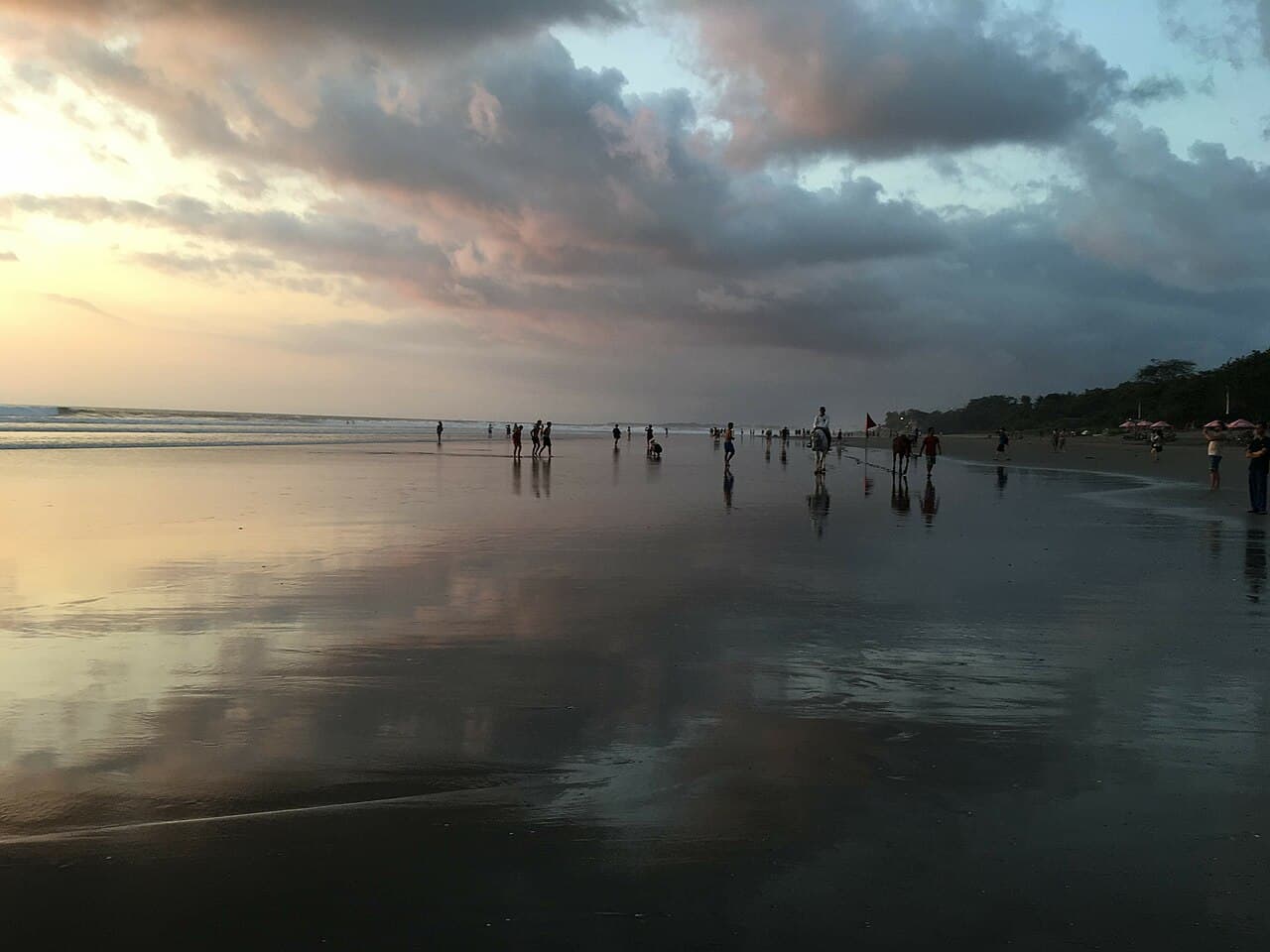
Ubud is the best first base for rice terraces, temples, yoga, craft shops, cooking classes, waterfalls, and a slower inland atmosphere. Stay close enough to central Ubud that dinner does not require a production, but not directly on the loudest traffic streets if you want rest. Ubud is not a beach base, and pretending it is close to everything creates a lot of windshield tourism.
Seminyak is the easiest polished beach-area choice for first-timers who want restaurants, sunset bars, boutiques, spas, and a more comfortable landing than Kuta. It is not quiet, and the beach is more sunset-walk than tropical-postcard perfection, but it is convenient and forgiving.
Canggu is better for younger travelers, digital nomads, surf-curious visitors, cafés, gyms, nightlife, and social energy. It also comes with traffic, construction, and the occasional feeling that someone tried to turn an island village into a laptop with a pool. Stay here if that scene sounds fun, not because the internet told you everyone cool is there.
Sanur is underrated for first-timers who want calm mornings, a walkable beachfront path, easier family travel, and a gentler pace. It is not the nightlife choice. That is the point. It also works well for boat connections to Nusa Penida or the Nusa islands.
Uluwatu is spectacular for cliff views, surf beaches, beach clubs, and a more dramatic coastline. It is also spread out, less walkable, and better if you are comfortable arranging rides or staying put around your chosen area. It rewards confident planners more than nervous first-timers.
Nusa Dua is the resort bubble. Choose it if you want beach resorts, clean logistics, family comfort, and less street-level chaos. Skip it if your priority is local food wandering, neighborhood texture, and spontaneous evenings.
Kuta can still work for cheap hotels, nightlife, and beginner surf, but most first-time visitors with a little more budget will be happier in Seminyak, Sanur, Ubud, or a carefully chosen Canggu/Uluwatu stay.
How many days do you need in Bali?
Seven days is the practical minimum for a first Bali trip that does not feel like a travel brochure being fired at your face. Ten days is better. Five days can work only if you accept that you are sampling Bali, not “doing Bali.” Anyone who says they saw the whole island in four days mostly saw a driver’s headrest.
For seven days, split the trip between Ubud and one beach base. Spend three nights in Ubud, then four nights in Seminyak, Sanur, Canggu, Uluwatu, or Nusa Dua depending on your style. That gives you enough time for inland culture and coastal downtime without moving hotels every other morning.
For ten days, you can slow down and add either a second beach mood or a side trip. A good ten-day first trip is three nights Ubud, three nights Seminyak or Canggu, and four nights Sanur, Uluwatu, or Nusa Dua. Another good version is Ubud plus one beach base plus Nusa Lembongan if you want an island break without the full Nusa Penida day-trip grind.
For two weeks, Bali becomes easier. You can add North Bali, Sidemen, Amed, Munduk, or the Nusa islands without turning the trip into a logistics spreadsheet. First-timers do not need to go that wide, but longer trips reward people who leave the southern traffic corridor.
How should you get around Bali?
For most first-time visitors, the best way to get around Bali is a mix of private drivers for longer days, taxis or ride-hailing where available, and walking only inside small local pockets. Do not plan Bali like a European city. There is no useful island-wide metro, sidewalks are inconsistent, and cross-town “short hops” can take longer than expected.
Private drivers are the most sensible option for temple days, waterfall days, Ubud-area sightseeing, Uluwatu sunsets, and airport transfers if you want calm logistics. Hire the driver for a route, not for a fantasy list of twelve stops. Bali sightseeing gets worse when you try to turn every day into a scavenger hunt.
Ride-hailing apps and taxis are useful in many tourist areas, though local restrictions and pickup zones can vary. In busy places, your hotel, restaurant, or villa host can often help coordinate transport. For late-night returns, do not assume the cheapest app ride will magically appear exactly where you are standing.
Scooters are common, cheap, and genuinely useful if you already ride well and have the right license and insurance coverage. They are also one of the easiest ways for inexperienced visitors to turn a holiday into paperwork, stitches, and a very expensive lesson in confidence. If you do not ride at home, Bali is a bad place to discover your inner action hero.
Renting a car without a driver is rarely the best first-time move. Roads are narrow, traffic is stressful, parking can be awkward, and navigation requires local patience. A driver usually costs more than a scooter and less than ruining your trip with a fender-bender in a lane that was not designed for your optimism.
What should you actually do on a first Bali trip?
A good first Bali trip should balance temples, food, rice terraces, beach time, and one or two experiences that match your travel style. The goal is not to visit every famous place. The goal is to leave understanding why people come back.

In and around Ubud, prioritize the rice terraces, a temple visit, a cooking class, a traditional performance if it fits your evening, and time just wandering shops and cafés. The Sacred Monkey Forest is popular and easy, but go with the understanding that monkeys are not Disney employees. Keep loose items secured and do not treat them like pets with better PR.
For temples, choose quality over quantity. Tirta Empul is memorable for ritual bathing and cultural context. Goa Gajah is easy to combine with Ubud-area sightseeing. Tanah Lot is famous for sunset but can be crowded. Uluwatu Temple gives you cliff drama and pairs well with the Kecak fire dance, though the monkey warning applies there too.
For beaches, match the coast to the mood. Seminyak and Canggu are better for sunsets, surf watching, bars, and atmosphere than calm swimming. Sanur is calmer and easier for families. Nusa Dua is resort-polished. Uluwatu has the most dramatic beaches, but access can involve stairs, tides, and more planning. Bali’s beaches are not all one thing, and first-timers who expect Maldives-style water everywhere get confused fast.
For nature, consider Tegalalang or Jatiluwih rice terraces, a waterfall from Ubud if you do not mind crowds, or a slower day in Sidemen if you want a quieter landscape. Mount Batur sunrise is popular but requires a very early start and enough tolerance for a busy trail. Do it if sunrise hikes excite you, not because an itinerary template bullied you into it.
What should you eat in Bali?
Food is one of the best reasons to slow down in Bali. The trick is not choosing between local food and stylish restaurants. Do both, but do not spend the whole trip eating international brunch because you were afraid to point at something in a warung.
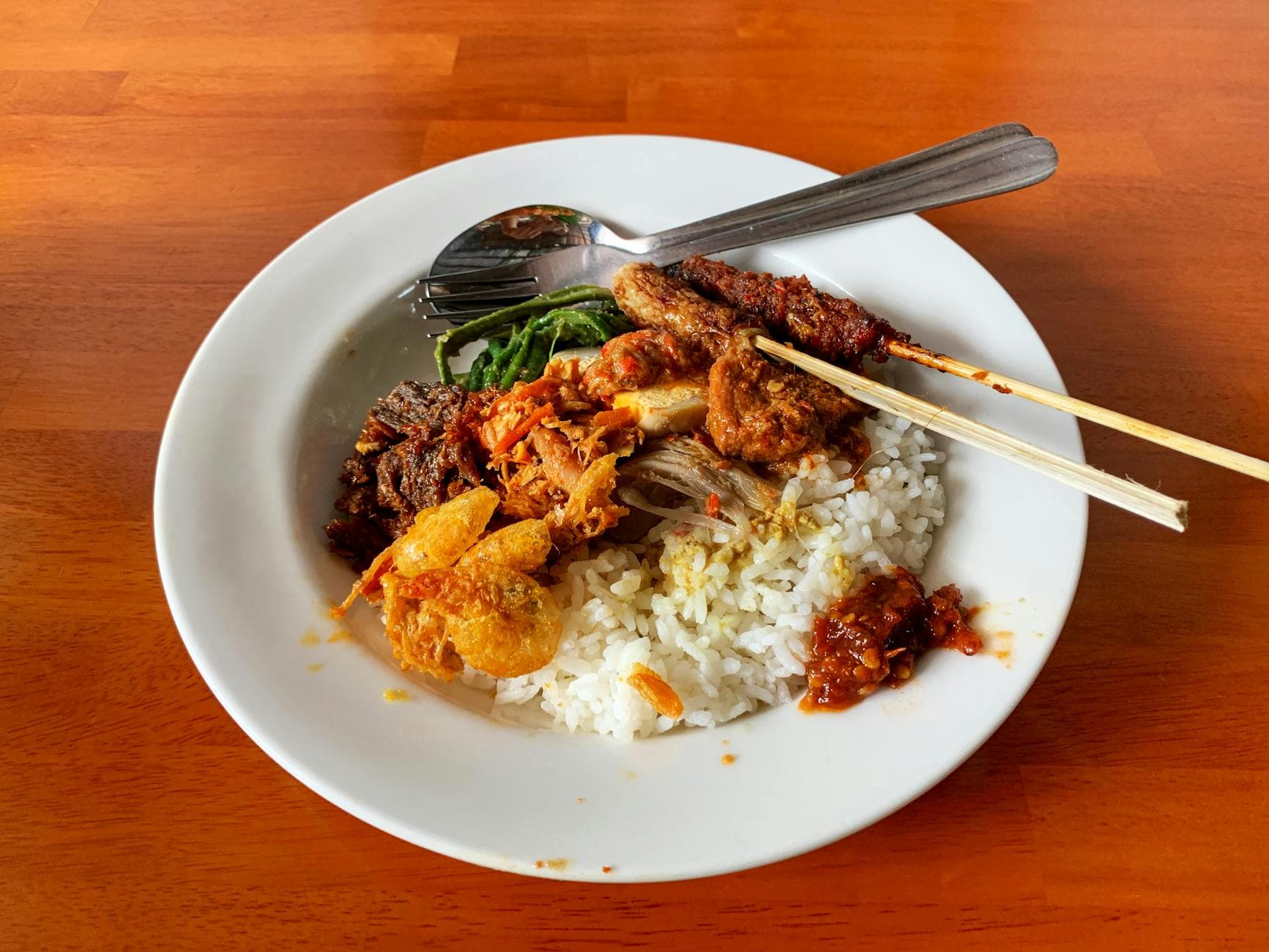
Look for nasi campur, babi guling if you eat pork, bebek betutu, ayam betutu, satay, gado-gado, lawar, mie goreng, nasi goreng, grilled fish, and fresh tropical fruit. Warungs can be simple, cheap, and excellent. Busy local places are usually a better sign than a laminated menu trying to serve sushi, pizza, tacos, and existential sadness.
Ubud is strong for cooking classes, vegetarian food, raw/healthy cafés, and Balinese restaurants that are approachable for first-timers. Seminyak has polished dining, beach clubs, cocktail bars, and reliable international food. Canggu has cafés, coffee, smoothie bowls, gyms-with-menus energy, and plenty of places where the Wi-Fi password is treated like a spiritual offering. Sanur is calmer, good for seafood and easy meals. Jimbaran is the classic seafood-on-the-beach area, best approached with realistic expectations rather than expecting the quietest meal of your life.
A smart food plan is simple: one cooking class, one good Balinese dinner, one seafood meal, several warung lunches, and a few café meals when you need convenience. If your stomach is sensitive, ease in gradually, choose busy places, drink bottled or filtered water, and do not make your first brave street-food experiment five minutes before a two-hour car ride.
What safety and practical tips matter most?
Bali is generally approachable for first-time visitors, but the practical risks are boring and real: traffic accidents, petty theft, dehydration, sun exposure, stomach issues, ocean conditions, and disrespecting local customs. None of this should scare you off. It should just keep you from acting like vacation suspends physics.
Use proper travel insurance, especially if you might ride a scooter, surf, hike, or visit offshore islands. Check what your insurance actually covers. Many policies are fussy about motorbike licenses and helmets, because insurance companies are basically professional loophole farmers.
Respect temple etiquette. Bring or rent a sarong where required, cover shoulders when appropriate, follow posted rules, and do not climb on sacred structures for photos. Bali is generous with visitors, but it is not a theme park. Ceremonies, offerings, and temple spaces are part of daily life.
Be careful with the ocean. Some beaches have strong currents, reef, shore breaks, or surf conditions that are not beginner-friendly. Swim where conditions are calm, pay attention to flags and local advice, and do not assume a beach is safe because it looks pretty on Instagram.
For money, cards work widely in tourist areas, but carry some cash for warungs, temples, tips, parking, markets, and smaller vendors. Use reputable ATMs, preferably attached to banks or secure locations. For connectivity, an eSIM or local SIM makes transport and messaging easier.
For water, drink bottled or properly filtered water. Many hotels and villas provide filtered dispensers. Brush your teeth with bottled or filtered water if you are cautious. The goal is not paranoia; it is avoiding the classic first-timer Bali plot twist where the villain is ice.
What is a simple first-time Bali itinerary?
A strong seven-day Bali itinerary should avoid constant hotel changes and give each area a job. Start inland, then go coastal.
Day one: arrive and sleep near your first base. If you land late, do not schedule anything heroic. Transfer, eat something easy, and let Bali begin tomorrow.
Day two: explore Ubud slowly. Visit central Ubud, the market area if it appeals, a temple or palace stop, and a good dinner. Keep the first full day light because jet lag plus heat plus traffic is a bad little cocktail.
Day three: do an Ubud-area culture and landscape day. Choose rice terraces, Tirta Empul, Goa Gajah, a cooking class, or a waterfall. Pick three serious stops maximum. More than that and the day becomes a bus tour with better branding.
Day four: transfer to your beach base. If you move to Seminyak or Canggu, arrive in time for sunset. If you choose Sanur, take the beachfront path and lean into the slower mood. If you choose Uluwatu, time the transfer so you are not crossing half the island at peak frustration.
Day five: beach-area day. Surf lesson, spa, cafés, shopping, beach club, or quiet swimming depending on where you are staying. This is the day where doing less is not failure. It is the point.
Day six: choose one bigger outing. Uluwatu Temple and beaches, Tanah Lot sunset, Jimbaran seafood, a Nusa Lembongan day, or a private driver loop. Do not stack multiple far-apart icons unless you enjoy being lightly steamed in traffic.
Day seven: keep the final day flexible. Do a last swim, massage, lunch, market stop, or easy walk near your base. Leave more airport transfer buffer than your map app suggests. Bali traffic has a talent for becoming interesting at exactly the wrong time.
For ten days, add one more Ubud day, one more beach day, and either Nusa Lembongan, Sidemen, Munduk, or a second beach base. The longer version should feel slower, not merely more stuffed.
When is the best time to visit Bali?
The best time to visit Bali for most first-timers is during the dry season, roughly April to October, especially May, June, September, and early October. These months usually offer a better balance of weather, crowds, and price than peak July and August.
July and August are popular for good reason, but they bring higher prices, busier roads, and more pressure on hotels and restaurants. If you can travel outside school-holiday peaks, do it. Bali is more enjoyable when you are not competing with half the planet for the same sunset beanbag.
The rainy season, roughly November to March, is not automatically a bad time. Rain often comes in bursts, landscapes are lush, and prices can be better. But humidity rises, downpours can interrupt beach plans, and ocean or boat conditions can be less predictable. If your trip depends on perfect beach weather every day, rainy season is a gamble. If you care more about food, spas, culture, villas, and flexibility, it can still work.
Nyepi, Bali’s Day of Silence, is a special case. It is a profound cultural experience, but the island shuts down for a day, including the airport. If your dates fall around Nyepi, plan carefully and respect the rules. It can be memorable, but it is not a normal sightseeing day.
What should first-timers skip or save for later?
First-timers should skip anything that makes the trip wider but not better. You do not need to visit every famous beach, every swing, every waterfall, every temple, and every island on one first trip. That is not travel. That is collecting thumbnails.
Skip an overloaded Nusa Penida day trip if you hate long transfers, rough roads, crowds, and rushed photo stops. Nusa Penida can be beautiful, but the standard greatest-hits day is often more exhausting than magical. Nusa Lembongan is usually a gentler first offshore option if you want an island side trip.
Skip staying in a remote villa if it means every meal, errand, and activity requires a driver. Beautiful isolation is only romantic until someone wants coffee and the nearest café is a 28-minute negotiation.
Skip changing hotels too often. Bali rewards bases. Two bases in a week is good. Three is possible. Four is a cry for help.
Skip scooter rental if you are inexperienced, uninsured, or nervous. There is no shame in hiring drivers. There is considerable shame in explaining to everyone back home that your “authentic island freedom” era ended in a drainage ditch.
Final advice for a first Bali trip
The best Bali travel guide is not a giant checklist. It is a filter. Choose Ubud plus one beach base, match the coast to your personality, use drivers instead of overestimating the roads, and leave enough unscheduled time for Bali to feel like a place rather than a sequence of content opportunities.
Go to temples respectfully, eat beyond brunch, plan fewer day trips than you think you need, and avoid treating every famous viewpoint as mandatory. Bali is not hard for first-time visitors, but it does ask you to make choices. Make good ones and the island is warm, generous, delicious, and far easier to enjoy than the overplanned version people keep trying to build.
Let Fare Window find the best fares for your next trip.
Track routes, watch price changes, and get smarter alerts before you book.
Start tracking faresKeep planning
Related travel guides
Explore more first-time destination guides while you compare routes, seasons, and trip shapes.


