Hong Kong Travel Guide for First-Time Visitors
Plan your first Hong Kong trip with practical advice on where to stay, getting around, food, things to do, safety, timing, and a simple itinerary.
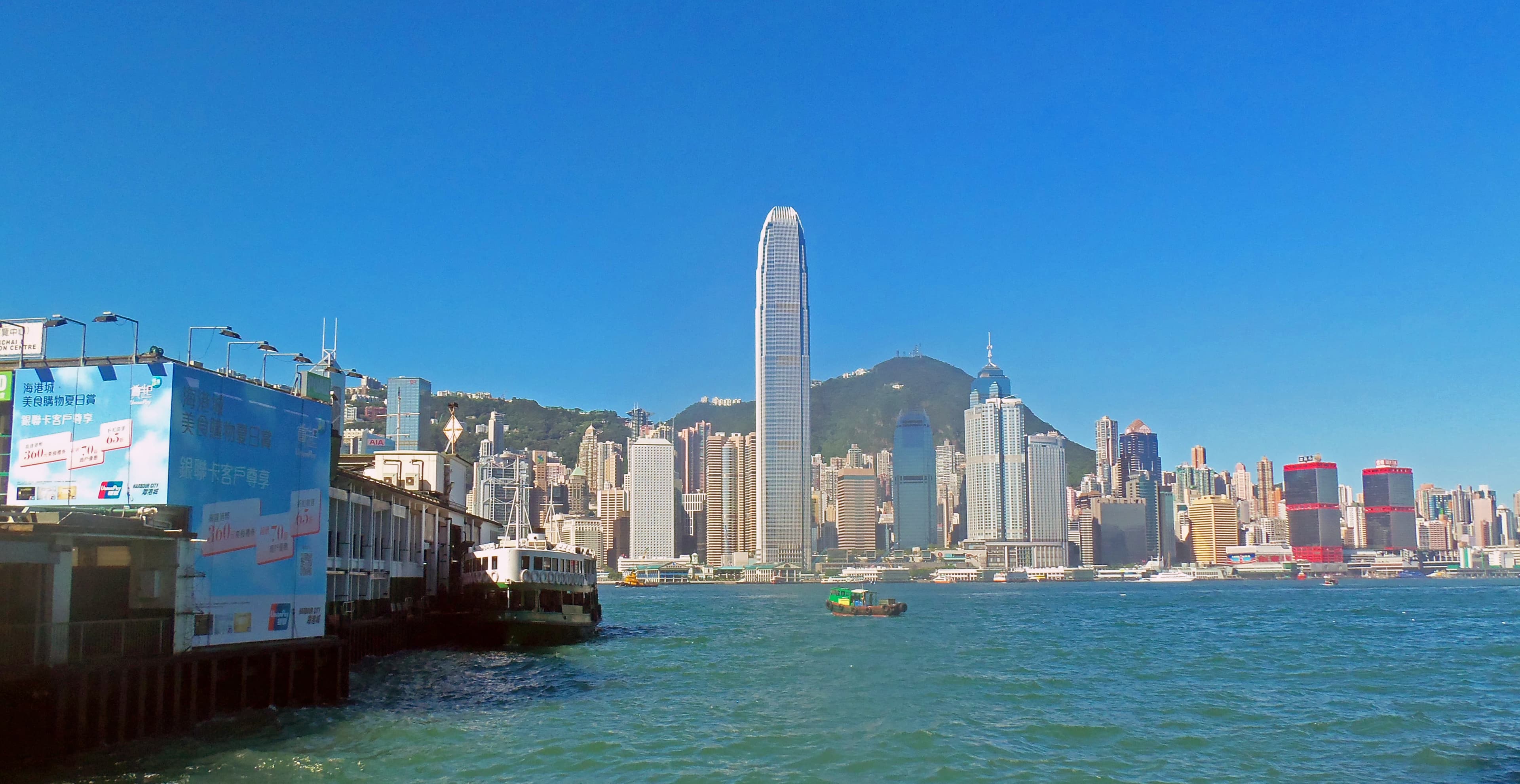
Hong Kong is a brilliant first trip if you like dense cities, easy transit, serious food, harbour views, and neighbourhoods that change mood within a few MTR stops. It is not the easiest city if you want beaches-and-resort relaxation, cheap hotel space, or a slow old-town holiday where everything unfolds gently. Hong Kong is compact, vertical, efficient, humid, delicious, and slightly impatient — basically New York if someone replaced the subway smell with roast goose and made the ferries romantic.
The first-timer mistake is treating Hong Kong as either “just a skyline” or “just a stopover.” It works better as a four-day city break with tight neighbourhood planning: stay near useful transit, split your days by side of the harbour, eat by area instead of chasing random famous restaurants, and save enough slack for weather. The city rewards people who keep their plans sharp but not overstuffed.
**Quick answer:** For a first Hong Kong trip, stay in Central/Sheung Wan for convenience and dining, Tsim Sha Tsui for harbour views, Wan Chai or Causeway Bay for an energetic middle ground, or Mong Kok/Yau Ma Tei for street-level Kowloon intensity. Plan 3 to 5 days, use the MTR and Octopus, and build your first itinerary around Hong Kong Island, Kowloon, Victoria Peak, Star Ferry, food streets, markets, and one slower escape like Lantau or an outlying island.
Quick Facts
Table of Contents
- 1.Is Hong Kong worth visiting for first-time travelers?
- 2.Best time to visit Hong Kong
- 3.Where to stay in Hong Kong
- 4.Getting around Hong Kong without wasting time
- 5.What to eat and where food fits into your days
- 6.Best things to do on a first visit
- 7.A simple 4-day Hong Kong itinerary
- 8.Safety, money, and practical mistakes to avoid
- 9.How to time your Hong Kong trip for better value
Quick facts for first-time visitors
- **Best for:** food-focused travelers, dense city energy, skyline views, transit-easy exploring, shopping, short Asia stopovers, urban photography - **Less ideal for:** travelers who need big hotel rooms on a low budget, quiet resort pacing, low humidity, or a single compact historic centre - **Best trip length:** 3 days for the highlights, 4 to 5 days for a much better first visit - **Best areas to stay:** Central/Sheung Wan, Tsim Sha Tsui, Wan Chai/Causeway Bay, Mong Kok/Yau Ma Tei, Kennedy Town - **Best time to visit:** October to early December for the most comfortable first-trip weather; March and April can also work - **Transit reality:** the MTR is excellent, the Star Ferry is useful and scenic, trams are charming but slow, and taxis are best for short awkward hops - **Food strategy:** eat by neighbourhood; Hong Kong punishes people who cross town for every meal like they are collecting Pokémon with jet lag
Table of contents
1. Is Hong Kong worth visiting for first-time travelers? 2. Best time to visit Hong Kong 3. Where to stay in Hong Kong 4. Getting around Hong Kong without wasting time 5. What to eat and where food fits into your days 6. Best things to do on a first visit 7. A simple 4-day Hong Kong itinerary 8. Safety, money, and practical mistakes to avoid 9. How to time your Hong Kong trip for better value
Is Hong Kong worth visiting for first-time travelers?
Yes — Hong Kong is worth visiting if you want a city that feels immediately exciting but still practical. The strongest first-time version is not a museum-heavy checklist. It is a layered city trip: harbour crossings, steep streets, markets, food halls, neon-ish Kowloon energy, polished Island-side dining, big viewpoints, and small everyday moments like riding a tram through Wan Chai or eating noodles before noon.
Hong Kong is especially good for travelers who want Asia with low friction. English is widely usable in visitor-heavy areas, the airport connection is simple, the MTR is clean and dependable, and the city is safer than many travelers expect. You can be very independent here without needing a guide for every move.
The tradeoff is cost and space. Hotels can be expensive for the square footage you get, and the city can feel crowded even when it is functioning smoothly. If your dream first trip is slow, cheap, spacious, and beachy, Hong Kong may feel like a very efficient machine yelling at you politely. If you like cities with pulse, it is excellent.
> **Quick answer block:** Hong Kong is best for first-time visitors who want food, skyline drama, strong public transit, compact sightseeing, and neighbourhood contrast. It is weaker for travelers who want low prices, big rooms, or a lazy resort-style pace.
Best time to visit Hong Kong
The best time to visit Hong Kong for most first-time travelers is October through early December. The weather is usually more comfortable, humidity drops, visibility improves, and walking-heavy days become much easier. This matters because Hong Kong’s best first-trip experiences involve stairs, waterfronts, outdoor markets, ferry piers, hillside streets, and “it’s only one stop, let’s walk” decisions that become a hostage situation in peak humidity.
March and April can also be good, especially if hotel pricing works in your favour, but spring can be cloudier and more humid. May through September is hotter, wetter, and more storm-prone. It can still be cheaper and lively, but first-timers need to build plans with indoor backups and accept that Victoria Peak views may disappear behind weather.
Winter is cooler and comfortable, though not beach-warm. January and February can be pleasant for walking, but Lunar New Year can affect pricing, opening hours, and crowds depending on the calendar.
If views matter to you, avoid planning your whole emotional life around one exact Peak time. Hong Kong weather has a sense of humour, and it is not a kind one. Keep the Peak, harbourfront, and rooftop-bar ideas flexible so you can use the clearest evening.
Where to stay in Hong Kong
For a first trip, choose your Hong Kong base by transit convenience, evening style, and how much city intensity you want when you step outside the hotel. The map is compact, but the lived experience changes fast.
Central and Sheung Wan
Central and Sheung Wan are the best all-around bases if you want restaurants, bars, galleries, hillside streets, ferry access, airport convenience, and easy movement across Hong Kong Island. Central is polished and businesslike; Sheung Wan is more textured, with dried seafood shops, cafés, small restaurants, and better neighbourhood feel.
The downside is price. Hotels can be expensive, and Central itself can feel a little corporate if you pick the wrong block. For many first-timers, Sheung Wan is the smarter version: close enough to Central, more character, and easier to enjoy casually.
Tsim Sha Tsui
Tsim Sha Tsui is the best base if harbour views are a priority. You get the promenade, museums, Star Ferry, easy Kowloon access, and one of the most satisfying first-night walks in the city. It is also practical for travelers who want to look at the skyline rather than stay inside it.
The tradeoff is that parts of Tsim Sha Tsui can feel touristy, mall-heavy, or hectic. Choose carefully: waterfront hotels and quieter side streets feel very different from the busiest Nathan Road blocks.
Wan Chai and Causeway Bay
Wan Chai and Causeway Bay are strong middle-ground choices for visitors who want Hong Kong Island convenience without Central prices. Wan Chai has older streets, bars, casual dining, and tram access. Causeway Bay is dense, retail-heavy, and lively late into the evening.
These areas suit travelers who like stepping out into instant city energy. They are less ideal if you want calm, boutique charm, or quiet mornings.
Mong Kok and Yau Ma Tei
Mong Kok and Yau Ma Tei give you the street-level Kowloon version of Hong Kong: markets, neon remnants, snacks, crowds, small shops, and a more local-feeling intensity. This can be fantastic if you want texture and value.
The tradeoff is sensory load. First-timers who hate crowds may find it exhausting. But if you want Hong Kong to feel alive rather than curated, Kowloon delivers.
Kennedy Town
Kennedy Town works for repeat visitors or first-timers who want a slightly calmer neighbourhood with cafés, waterfront walks, and MTR access. It is not as central for every tourist move, but it can be a good fit if you prefer evenings that feel residential rather than hyper-commercial.
> **Quick answer block:** Stay in Sheung Wan or Central for the easiest first-trip logistics, Tsim Sha Tsui for harbour views, Wan Chai/Causeway Bay for energy, Mong Kok/Yau Ma Tei for Kowloon street life, and Kennedy Town for a calmer Hong Kong Island base.
Getting around Hong Kong without wasting time
Hong Kong is easy to move around if you use the right tool for the right trip. The mistake is assuming every journey should be MTR-only, taxi-only, or scenic-only. The best first-timers mix systems.
The **MTR** should be your default for longer cross-city movement. It is clean, frequent, and usually faster than traffic. Get an **Octopus card** or use available contactless payment options where supported; Octopus remains useful for transit, convenience stores, small purchases, and not fumbling like a tourist at every gate.
The **Airport Express** is the easiest airport-to-city option if your hotel is convenient to Hong Kong Station, Kowloon Station, or onward taxi/MTR connections. Taxis can make sense for door-to-door convenience, especially with luggage, but traffic and tunnel routes can change the value equation.
The **Star Ferry** is both useful and one of the city’s best cheap experiences. Use it between Central/Wan Chai and Tsim Sha Tsui when the route fits. Do not treat it as only sightseeing; it is a practical way to understand the harbour geography.
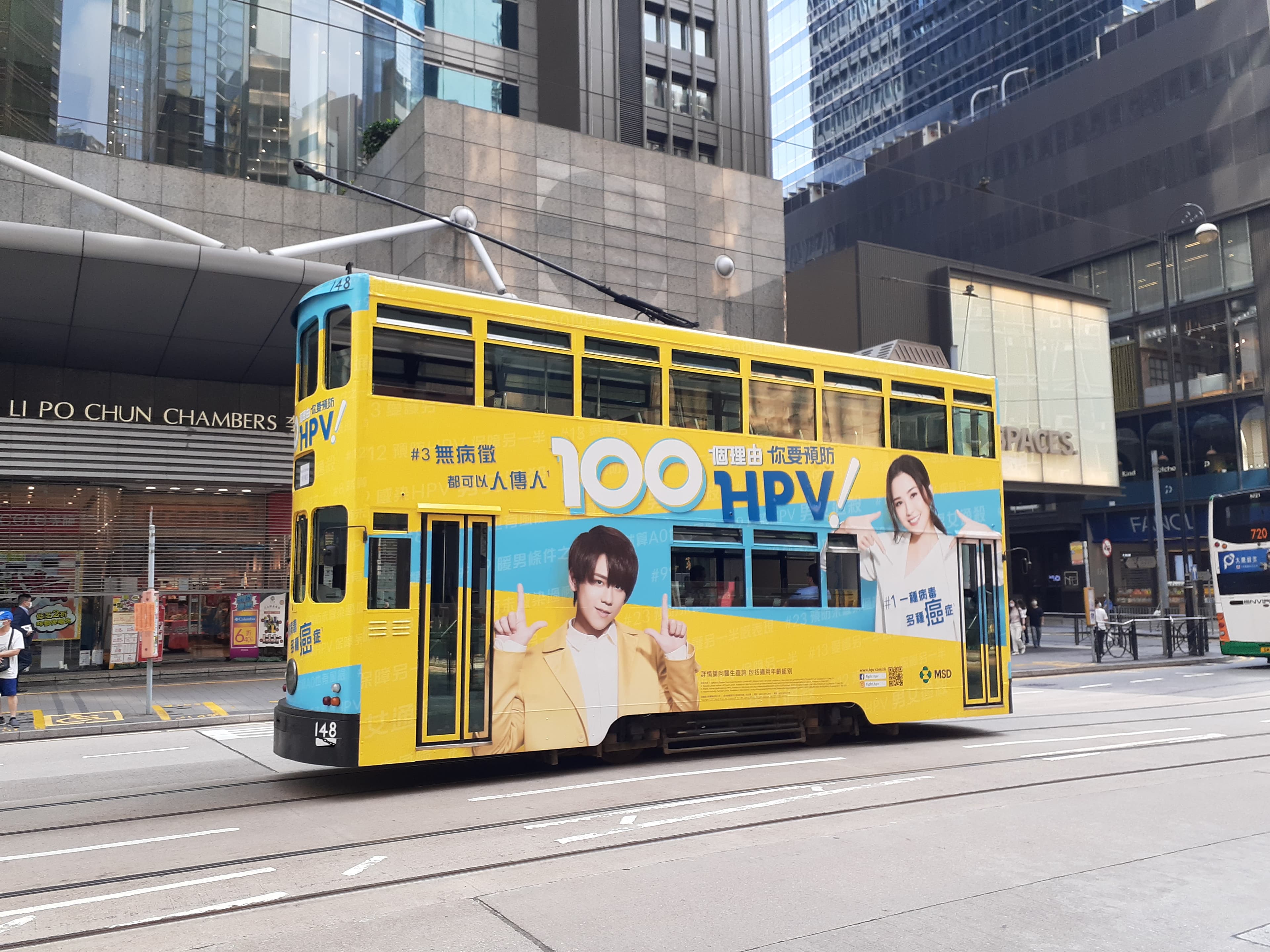
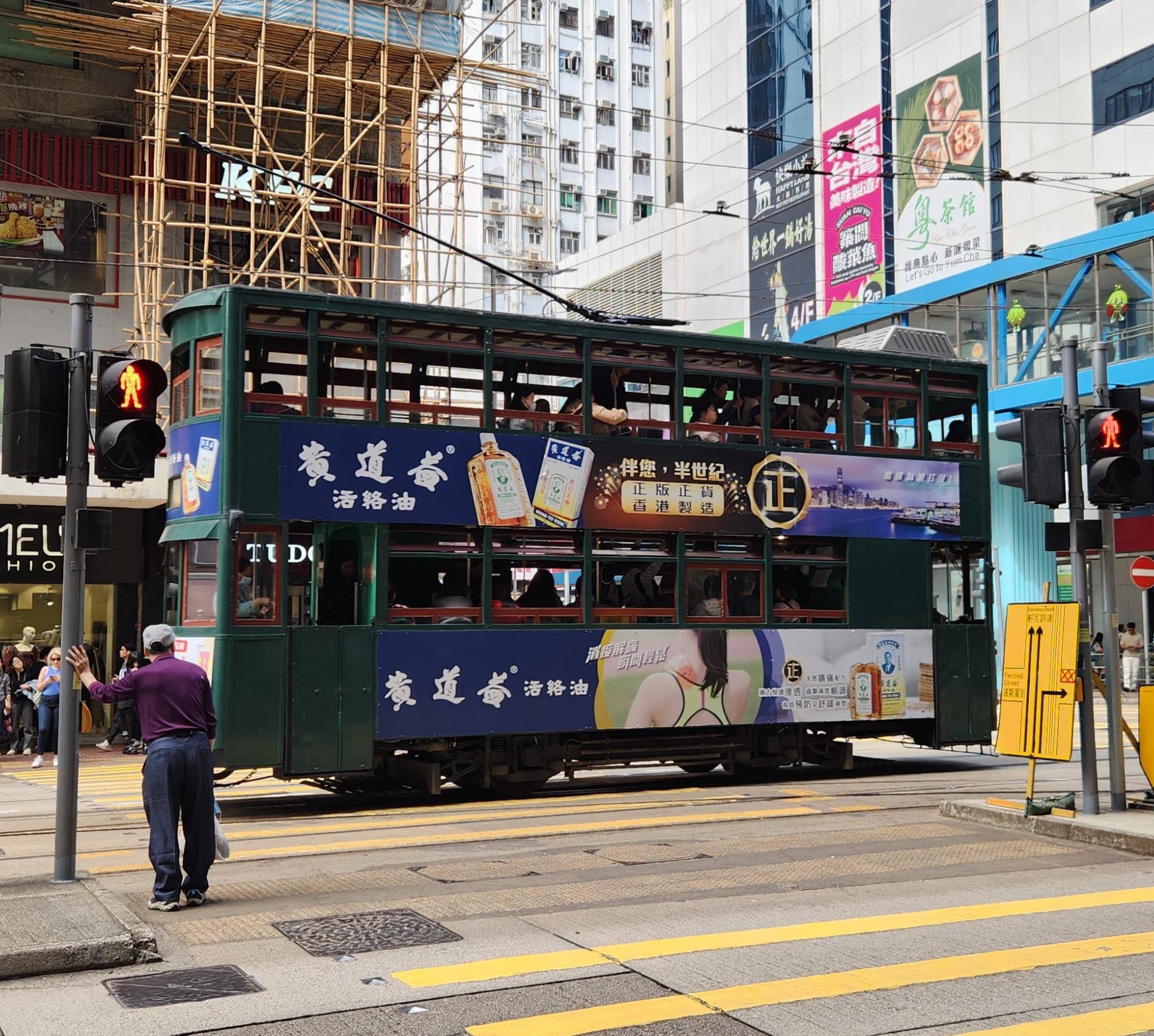
The **tram** on Hong Kong Island is slow but worthwhile for short atmospheric rides through areas like Sheung Wan, Central, Wan Chai, and Causeway Bay. Use it when you are not in a rush. If you are late for a reservation, the tram will become a moving museum of your poor planning.
Walking works best inside neighbourhood clusters, not across every map distance that looks small. Hong Kong has hills, elevated walkways, station exits, footbridges, heat, and crowds. Ten minutes on the map can mean three dimensions and a small moral crisis.
What to eat and where food fits into your days
Food should shape your Hong Kong itinerary, not sit beside it. The city is dense enough that you rarely need to cross town for every meal. A smarter first trip pairs food with the area you are already exploring.
Start with a **cha chaan teng** breakfast or lunch: milk tea, pineapple buns, scrambled egg sandwiches, macaroni soup if you want the full local comfort-food curveball. It is not fine dining; it is Hong Kong’s everyday speed and rhythm on a table.
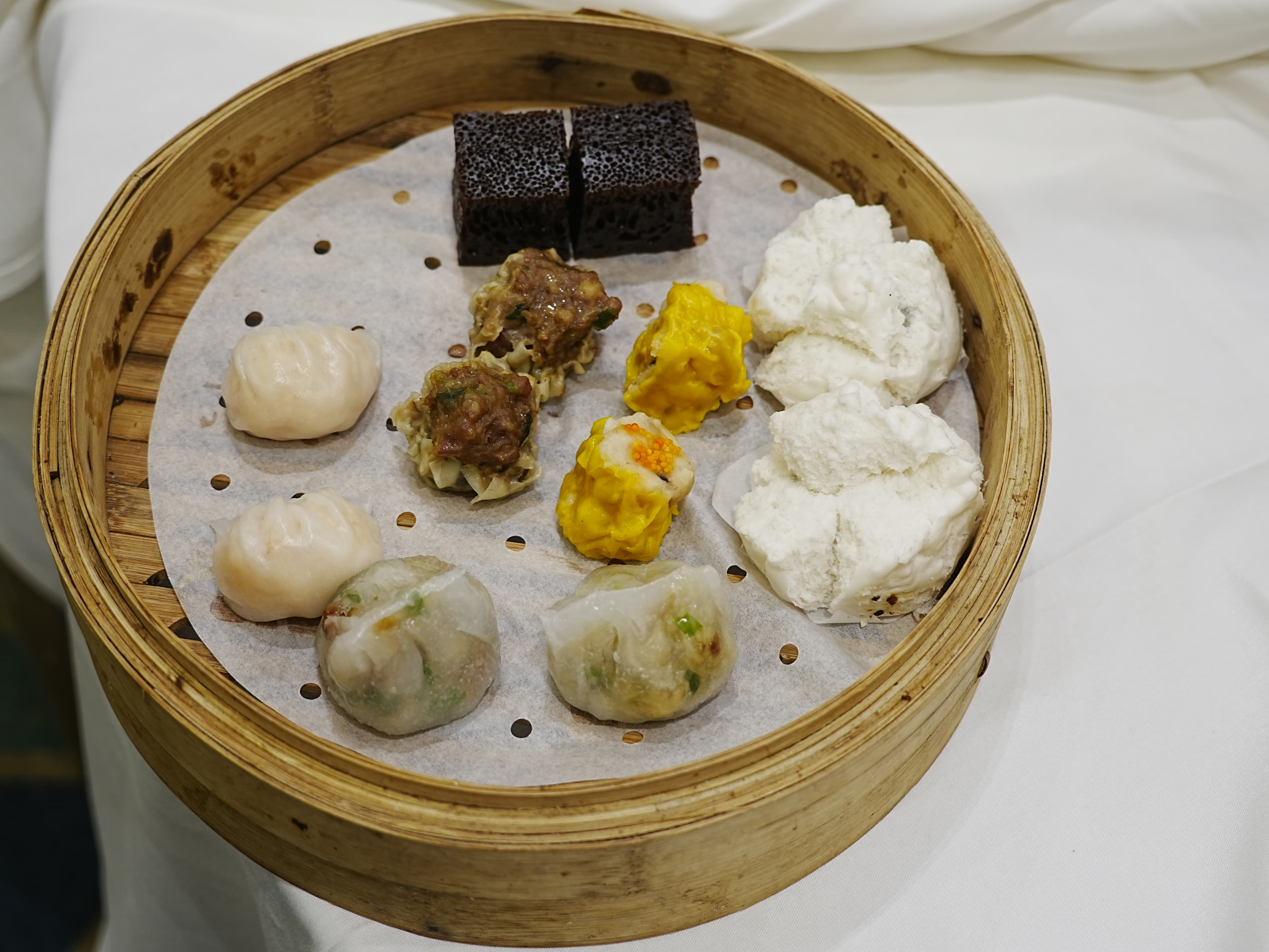
Try **wonton noodles**, **roast goose or roast duck**, **dim sum**, **egg tarts**, **claypot rice** in cooler months, **cart noodles**, **fish balls**, **congee**, and casual dessert shops. If you are food-driven, leave gaps in the schedule. Hong Kong is a grazing city as much as a reservation city.
For area logic:
- **Central and Sheung Wan:** strong for restaurants, bars, cafés, modern Cantonese, and easy nights out - **Wan Chai:** good for casual meals, older local spots, bars, and mixed old-new Hong Kong - **Causeway Bay:** dense with shopping-day food, dessert, noodles, and late energy - **Tsim Sha Tsui:** convenient for harbour-view meals, hotel dining, and international options, but choose carefully to avoid tourist mediocrity - **Mong Kok/Yau Ma Tei/Jordan:** better for street snacks, noodles, casual Cantonese, markets, and textured Kowloon eating
The practical rule: do not build a sightseeing day that requires three cross-harbour meal pilgrimages. You will spend your trip underground, emerging only to eat and complain. Pick one food anchor per area and let the rest be flexible.
Best things to do on a first visit
The best first Hong Kong itinerary balances the obvious icons with neighbourhood texture. Do the big views, but do not let the city become only observation decks and malls.
Ride the Star Ferry and walk the Tsim Sha Tsui waterfront
This is touristy because it is good. The Star Ferry gives you scale, breeze, skyline, and orientation in one cheap ride. Pair it with the Tsim Sha Tsui promenade, especially around late afternoon or evening.
Go to Victoria Peak, but time it intelligently
Victoria Peak is worth doing when visibility is decent. Go near late afternoon if the weather is clear, then watch the city shift toward night. If clouds are sitting low, move it. For many visitors, the view is the point; forcing it in bad weather is just paying for fog with confidence.
Explore Central, Sheung Wan, and the Mid-Levels edge
This area gives you hillside streets, older shops, cafés, galleries, bars, temples, escalators, and the sharp contrast between finance Hong Kong and older neighbourhood Hong Kong. It is one of the best places to wander with loose structure.
Give Kowloon real time
Kowloon is where many first-timers find the Hong Kong they expected: denser streets, markets, food, signs, shops, and more immediate street life. Mong Kok, Yau Ma Tei, Jordan, and Sham Shui Po can all be rewarding depending on your interests.
Choose one bigger escape
If you have 4 or 5 days, add one slower contrast. Good options include **Lantau Island** for the Big Buddha and Tai O, **Cheung Chau** or **Lamma Island** for an easier outlying-island day, or **Sai Kung** if you want a more outdoorsy food-and-waterfront break. Do not cram all of them into a short trip. Hong Kong is compact, not magic.
Use shopping as neighbourhood exploration
Hong Kong shopping is not only luxury malls. Mix Causeway Bay retail energy, Central malls if you like polished convenience, Mong Kok markets, Sham Shui Po electronics and fabric streets, and smaller local shops. Even if you are not buying much, these areas show how the city works.
A simple 4-day Hong Kong itinerary
A good first Hong Kong itinerary keeps each day geographically sane.
Day 1: Harbour orientation and Central/Sheung Wan
Arrive, settle in, then keep the day simple. Walk Central and Sheung Wan, ride the Mid-Levels Escalator area, visit Man Mo Temple if it fits, eat nearby, and finish with a harbour view or easy bar. If you have energy, take the Star Ferry to Tsim Sha Tsui for the skyline.
Day 2: Kowloon street life and Tsim Sha Tsui
Start around Tsim Sha Tsui and the waterfront, then move north into Jordan, Yau Ma Tei, and Mong Kok. Focus on markets, snacks, casual food, and street-level wandering. This is a good day for understanding Kowloon rather than treating it as a shopping errand.
Day 3: Victoria Peak, Wan Chai, and Causeway Bay
Use the clearest weather window for Victoria Peak. Build the rest of the day around Hong Kong Island: Wan Chai for older streets and food, Causeway Bay for shopping and density, and a tram ride if you want a slower slice of the city.
Day 4: Lantau, an island, or a deeper neighbourhood day
Choose one contrast. Lantau works if you want a major sight and a different landscape. Cheung Chau or Lamma works if you want a lower-key ferry day. Sham Shui Po works if you would rather stay urban and dig into markets, textiles, electronics, cafés, and local food.
If you only have 3 days, cut the escape day. If you have 5 days, keep the escape and add a slower food/neighbourhood day instead of stacking more attractions.
Safety, money, and practical mistakes to avoid
Hong Kong is generally very safe for visitors, including at night in busy areas. Normal city awareness still applies: watch belongings in crowds, be careful around nightlife, and do not stand in the middle of fast pedestrian flow while decoding your phone. People will not usually yell at you. They will simply flow around you with the silent judgment of a thousand commuters.
Credit cards are widely accepted in hotels, malls, and many restaurants, but smaller eateries and markets may prefer cash or local payment methods. Keep some cash and use Octopus for small daily friction points.
Common first-timer mistakes include:
- booking a hotel far from an MTR station because the map distance looked fine - trying to visit Hong Kong Island, Kowloon, Lantau, and multiple markets in one heroic day - treating Victoria Peak as fixed even when weather is bad - eating only in malls or only from viral lists - underestimating humidity and over-planning outdoor walks in summer - ignoring ferry routes that would make the day more enjoyable - choosing the cheapest room without checking size, location, and station access
For families, Hong Kong can work well because transit is strong and food is easy, but stroller movement can be annoying in older streets, station exits, and busy markets. For older travelers, choose a hotel with very convenient transit and avoid hillside-heavy days unless that is part of the appeal.
How to time your Hong Kong trip for better value
Hong Kong hotel prices move with business travel, events, holidays, and seasonal demand. For most visitors, the best value comes from shoulder periods with decent weather rather than chasing the absolute cheapest summer dates.
October, November, early December, March, and parts of April are usually the most appealing planning windows. If you are flexible, compare hotel pricing across several weeks rather than locking flights first and accepting whatever room prices do afterward.
Flights can make Hong Kong attractive as part of a broader Asia trip because the airport is a major hub. If you are combining Hong Kong with Japan, Taiwan, Thailand, Vietnam, or mainland China, think about whether Hong Kong should be the energetic city opener or the efficient stopover at the end. It often works better when you are not too exhausted to enjoy dense urban days.
The main value move is not some secret booking trick. It is choosing the right base, avoiding unnecessary cross-town backtracking, eating smartly by neighbourhood, and giving yourself enough days that you are not paying Hong Kong prices just to sprint through the obvious bits.
Final recommendation
For first-time visitors, Hong Kong is at its best as a 4-day city trip built around neighbourhood clusters, harbour crossings, food, and one clear-weather viewpoint. Stay near useful transit, pick your side of the harbour intentionally, and resist the urge to turn every famous place into a mandatory stop.
If you want an easy, spacious, low-cost holiday, Hong Kong is not the softest landing. But if you want a city with speed, flavour, views, safety, and constant contrast, it is one of Asia’s most rewarding first-time destinations — provided you plan it like a dense vertical city, not a checklist with dim sum.
Let Fare Window find the best fares for your next trip.
Track routes, watch price changes, and get smarter alerts before you book.
Start tracking faresKeep planning
Related travel guides
Explore more first-time destination guides while you compare routes, seasons, and trip shapes.