Mexico City Travel Guide for First-Time Visitors
A practical first-time Mexico City guide covering where to stay, the best neighborhoods, how to get around, food strategy, safety basics, and a simple four-day itinerary.
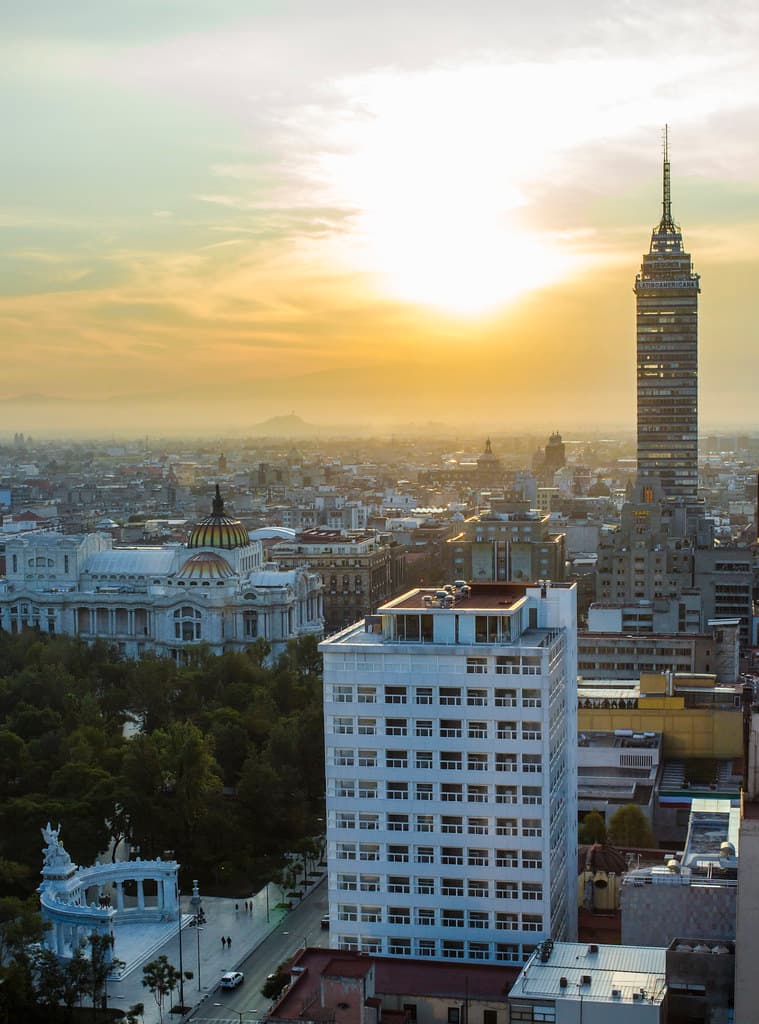
Mexico City is one of the best first trips in North America if you like food, museums, neighborhoods, architecture, and long days that do not need to be over-planned. It is also huge, high-altitude, traffic-heavy, and easy to waste if you treat it like a checklist. For most first-time visitors, the best base is Roma Norte or Condesa, with Polanco as the comfort option and Centro Historico as a history-heavy but less relaxed base. Spend your first trip on a tight triangle: Centro Historico, Roma/Condesa, Chapultepec/Polanco, and one southern day in Coyoacan or Xochimilco if you have enough time.
This is not a beach vacation or a "see everything" city. Mexico City is better when you pick fewer areas, eat well, move carefully, and leave space for the city to happen between plans.
Quick Facts
- {'label': 'Best first-time base', 'value': 'Roma Norte or Condesa'}
- {'label': 'Comfort base', 'value': 'Polanco'}
- {'label': 'History-heavy base', 'value': 'Centro Historico'}
- {'label': 'Best trip length', 'value': '4-5 days'}
- {'label': 'Getting around', 'value': 'Walk locally, ride-hail between areas, use Metro/Metrobus selectively'}
- {'label': 'Main planning rule', 'value': 'Group days by neighborhood, not by attraction count'}
- {'label': 'First-day caution', 'value': 'Plan lightly because of altitude and travel fatigue'}
Table of Contents
- 1.Who Mexico City Is Best For
- 2.Quick Facts for Planning
- 3.What to Prioritize on a First Trip
- 4.Where to Stay in Mexico City
- 5.Best Neighborhoods and Areas for First-Timers
- 6.Getting Around Without Losing Half Your Trip
- 7.Food Strategy for a First Trip
- 8.Safety and Practical Tips
- 9.A Simple 4-Day First-Time Itinerary
- 10.Common First-Timer Mistakes
- 11.Bottom Line
Who Mexico City Is Best For
Mexico City is best for travelers who want culture, food, neighborhoods, and city energy more than resort ease. If your ideal day is a museum in the morning, tacos at lunch, a leafy neighborhood walk in the afternoon, and a reservation or mezcal bar at night, CDMX is hard to beat.
It is especially strong for food-focused travelers, museum people, architecture fans, solo travelers who are comfortable in large cities, couples, and repeat travelers who are tired of interchangeable "old town plus viewpoint" itineraries. The city has range: street tacos, design hotels, markets, fine dining, pre-Hispanic ruins, colonial architecture, modern galleries, parks, and a serious cafe scene.
Skip it, or at least rethink it, if you want a small, simple, low-effort trip. Mexico City is manageable, but it is not frictionless. Traffic is real. Distances are bigger than they look. Altitude can make the first day feel strangely tiring. Neighborhood choice matters. If you want beach, silence, or a city that can be understood in a weekend, this is not that.
Quick Facts for Planning
| First-trip question | Practical answer | |---|---| | Best first-time base | Roma Norte or Condesa for most travelers | | Comfort/luxury base | Polanco | | History-first base | Centro Historico, but choose carefully and expect a busier feel | | Best trip length | 4-5 days is much better than 2-3 | | Airport plan | Use an authorized taxi or ride-hail where available; do not improvise curbside | | Best way around | Walk inside neighborhoods, ride-hail between areas, Metro/Metrobus selectively | | Biggest planning mistake | Trying to stack far-apart neighborhoods in one day | | Safety posture | Normal big-city awareness, stronger caution at night and around valuables | | First-day note | Take it easy; the city sits at high altitude |
What to Prioritize on a First Trip
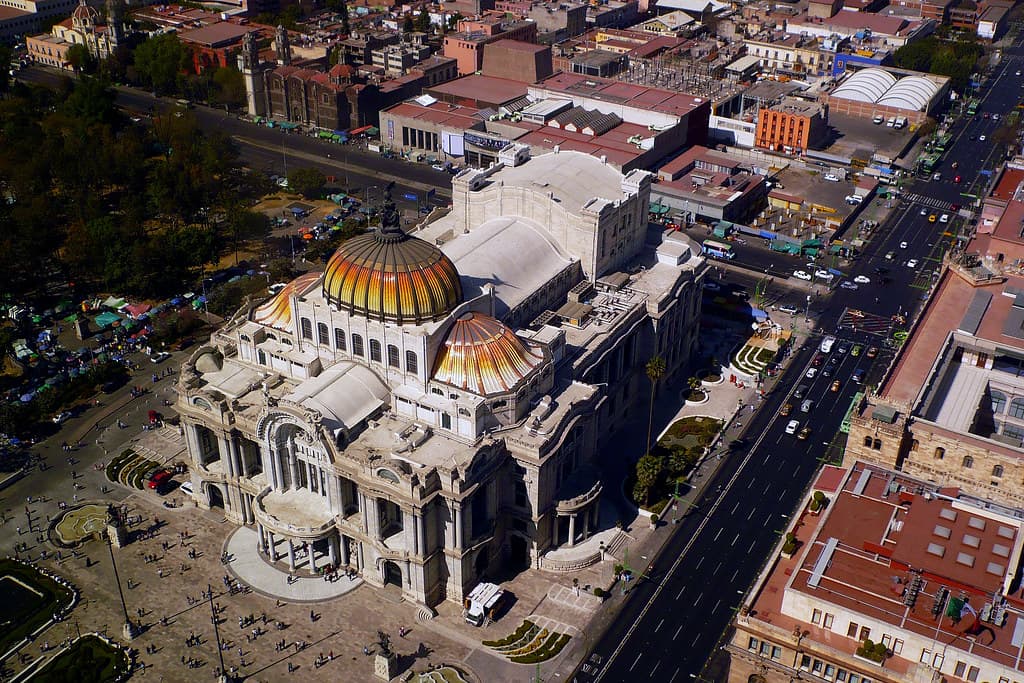
Prioritize Mexico City by area, not by isolated attractions. The city works best when each day has one anchor and one neighborhood around it.
For a first trip, the real essentials are:
- Centro Historico for the Zocalo, Templo Mayor area, Palacio de Bellas Artes, murals, and the layered old-city feel. - Chapultepec for the National Museum of Anthropology, the park, and possibly the castle if you want the view and history. - Roma Norte and Condesa for cafes, restaurants, bars, architecture, parks, and easy first-time wandering. - Coyoacan for a slower southern day, especially if you care about Frida Kahlo, markets, plazas, and colonial neighborhood atmosphere. - One food plan that goes beyond "find tacos near the hotel."
Teotihuacan is worth doing if you have five days or a specific interest, but it is not mandatory on a short first visit. Xochimilco is fun with the right group and expectations, but it can feel like a long detour if you only have three days and do not want a boat-party mood. The Frida Kahlo Museum needs advance planning and timed tickets; do not assume you can casually walk up and make it work.
Where to Stay in Mexico City
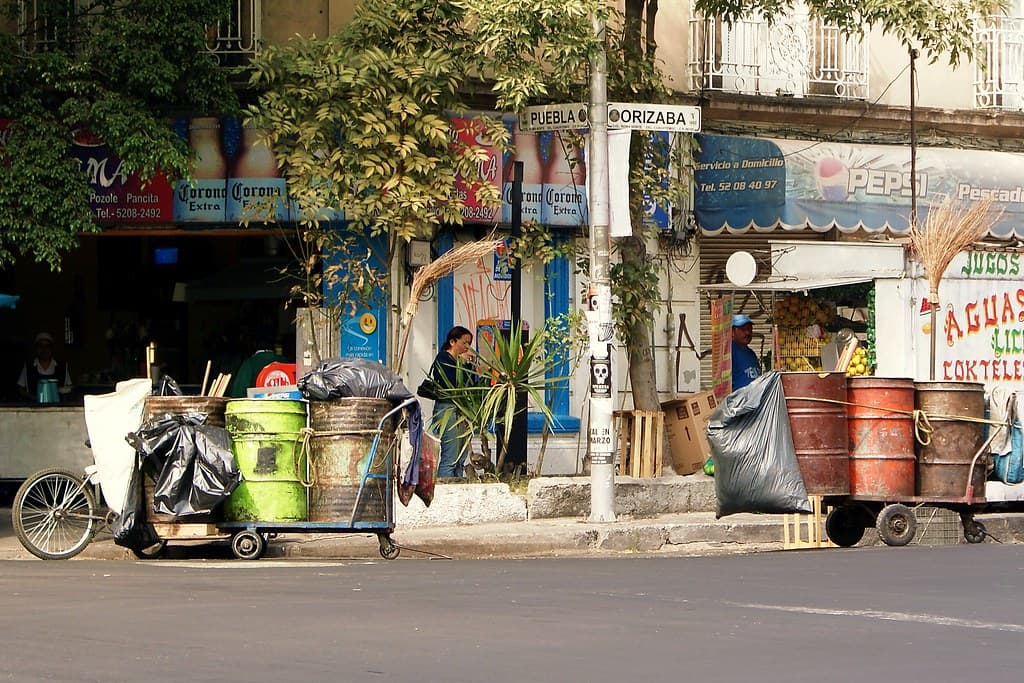
Roma Norte and Condesa are the best default areas for most first-time visitors. They are walkable by Mexico City standards, full of restaurants and cafes, and easy enough for ride-hail trips to Centro, Chapultepec, Polanco, and Coyoacan. They also give you a soft landing: pretty streets, parks, good coffee, and enough nightlife without forcing you into the busiest parts of the city every night.
Polanco is the comfort choice. Stay there if you want luxury hotels, polished restaurants, high-end shopping, quieter streets, and easy access to Chapultepec and the Anthropology Museum. The tradeoff is that it can feel more insulated and expensive. It is good for travelers who want CDMX with smoother edges, not necessarily the most textured first impression.
Centro Historico is good if your trip is history-heavy and you want to wake up near the old city. It is less ideal if you want relaxed evening wandering, stylish restaurants, and a neighborhood you will enjoy returning to every night. Centro is fascinating by day and atmospheric around major landmarks, but it can feel intense and uneven after dark depending on the block.
Coyoacan is lovely, but I would not make it the default first-time base unless you have been before or want a quieter, more residential trip. It is farther from many first-trip anchors. Use it as a day out instead.
Juarez is a good alternative if you want nightlife and restaurants with quick access to Roma/Condesa and Reforma. It is less leafy than Condesa but can be convenient and fun.
Best Neighborhoods and Areas for First-Timers
Roma Norte is the easiest place to enjoy without a plan. It has restaurants, bakeries, cafes, bars, galleries, and enough beautiful streets to justify slow wandering. It is not "undiscovered," and prices reflect its popularity, but for a first trip it earns its reputation.
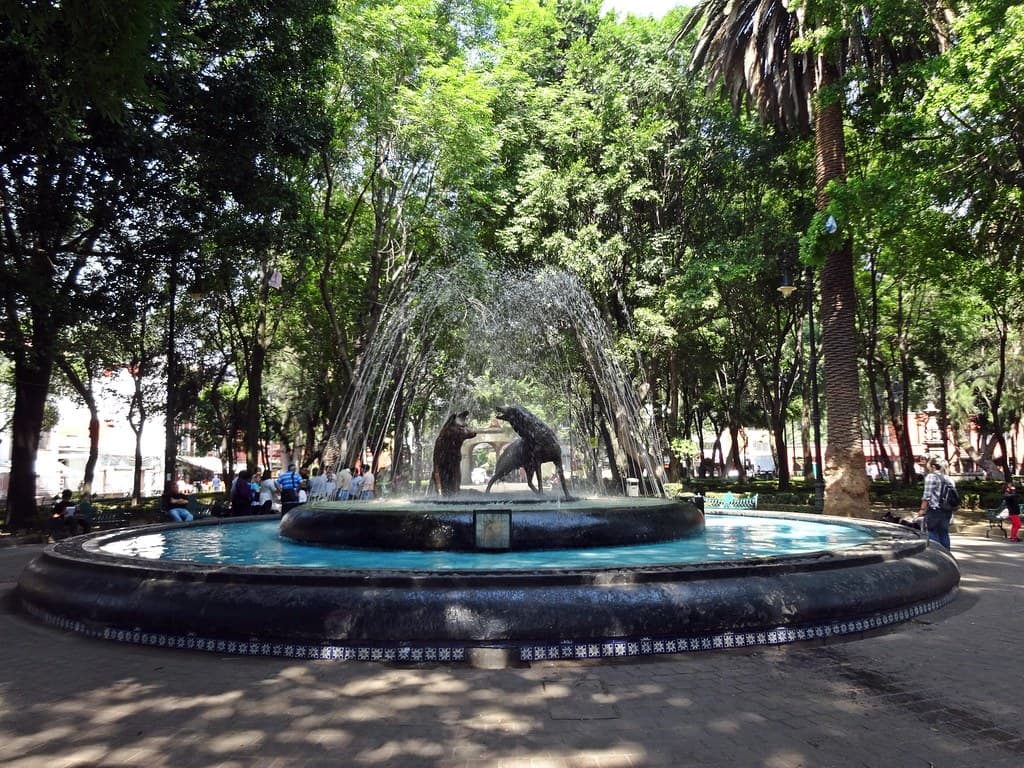
Condesa is slightly calmer and greener. Stay here if you want parks, dog walkers, Art Deco buildings, relaxed cafes, and a softer nighttime feel. It is excellent for travelers who want walkability and comfort without Polanco's polished distance.
Centro Historico is where the city's history hits hardest. The Zocalo, Metropolitan Cathedral, Templo Mayor, Palacio Nacional area, Bellas Artes, and nearby murals give you the most dramatic sense of Mexico City's layers. Go early, keep the day focused, and do not try to combine it with too many far-flung neighborhoods.
Polanco is practical for comfort, museums, and high-end dining. It is not the most exciting base for every traveler, but it is convenient if you want Chapultepec close and prefer a more polished hotel scene.
Coyoacan is the southern reset. It works well with the Frida Kahlo Museum, Mercado de Coyoacan, plazas, churros, and slower streets. It is not next door to Roma, despite what an optimistic map mood may suggest.
Xochimilco is a choose-your-own-adventure day. The classic trajinera ride can be festive and touristy. More ecological or chinampa-focused visits are a better fit if you care about the area's agricultural and cultural history. Either way, it takes time.
Getting Around Without Losing Half Your Trip
The best transportation strategy is mixed: walk within neighborhoods, use ride-hail for many cross-city hops, and use Metro or Metrobus when the route is direct and traffic is ugly.
Do not plan Mexico City by distance alone. A short-looking trip can become slow because of traffic, transfers, or the sheer size of the city. Group each day geographically. Centro and Roma can pair reasonably. Chapultepec and Polanco pair naturally. Coyoacan and Xochimilco can pair if you are willing to make it a long southern day. Teotihuacan is its own day.
Metro can be fast and cheap, especially for direct routes, but first-timers should avoid rush hour if they are carrying bags or feeling overwhelmed. Metrobus can be useful on certain corridors because it runs in dedicated lanes. Ride-hail is often the easiest option at night, for airport movement, and between neighborhoods that are annoying to connect by transit.
From the airport, keep it simple. Use an official taxi service, prearranged transfer, or ride-hail where the pickup rules are clear. After a flight, this is not the moment to save a few dollars by improvising with someone offering a ride.
Food Strategy for a First Trip
Food should shape your itinerary, not sit underneath it. Mexico City is one of those places where the difference between "we ate nearby" and "we planned meals by neighborhood" is the difference between a fine trip and the trip you keep talking about.
For first-timers, build food around areas:
- Centro for old-school cafes, cantinas, markets, and street food around a history day. - Roma Norte and Condesa for restaurants, natural wine bars, bakeries, modern Mexican cooking, and cafes. - Polanco for higher-end reservations and polished dining. - Coyoacan for markets, tostadas, churros, and a slower afternoon food crawl. - Narvarte or other taco-heavy areas if you want a more deliberate taco mission.
Book the famous restaurants well ahead if they matter to you, but do not let reservations hijack the whole trip. Mexico City is also a city of casual meals, markets, pan dulce, tacos al pastor, seafood tostadas, late-night stands, and breakfast that turns into a two-hour pause.
Use normal food safety judgment: busy stalls, high turnover, clean-looking setup, bottled water if you are cautious, and do not make your first meal a heroic digestive experiment. The city rewards curiosity. It does not reward arrogance with salsa.
Safety and Practical Tips
Mexico City is very visitable, but it is still a giant city where block-by-block awareness matters. Most first-time visitors who stay in the usual areas, use normal urban caution, and avoid late-night improvisation have a smooth trip.
Keep your phone and wallet controlled in crowds, markets, Metro stations, and nightlife areas. Use ATMs inside banks or secure locations. Take ride-hail late at night rather than walking long, quiet stretches. Do not flash watches, jewelry, or camera gear in a way that advertises confusion. If a street suddenly feels empty or off, change direction without making it a moral debate.
Altitude matters more than people expect. Mexico City sits high enough that the first day can bring fatigue, mild headache, or shortness of breath, especially if you arrive from sea level. Hydrate, avoid scheduling your most intense day first, and go easy on alcohol the first night unless you enjoy turning vacation into a science experiment.
Weather is mild compared with many cities, but evenings can be cooler than expected. Rainy season can bring afternoon or evening showers, so a light layer and flexible timing help. Pollution can bother sensitive travelers; check conditions if you have respiratory issues.
A Simple 4-Day First-Time Itinerary
A four-day trip gives Mexico City room to breathe. Three days works, but it forces harder choices.
Day 1: Roma, Condesa, and an Easy Landing
Start close to your hotel. Walk Roma Norte and Condesa, have a proper coffee or breakfast, loop through Parque Mexico or Parque Espana, and keep the day low-pressure. This is the day to adjust to altitude, learn the neighborhood, and avoid pretending you are immune to travel fatigue.
For dinner, stay near Roma/Condesa or Juarez. Do not cross the city for a reservation on your first night unless you are arriving early and know your energy.
Day 2: Centro Historico and Bellas Artes
Go to Centro in the morning. Focus on the Zocalo area, Templo Mayor, the cathedral exterior/interior if open, Palacio de Bellas Artes, and nearby murals or museums that match your interests. Keep your valuables controlled and your route focused.
Have lunch in or near Centro, then decide whether to continue with a museum or return to Roma/Condesa before dinner. Do not cram Coyoacan onto this day. That is how good trips become transit spreadsheets.
Day 3: Chapultepec, Anthropology, and Polanco
Make the National Museum of Anthropology your anchor if you care about history or culture at all. It is worth the time. Pair it with Chapultepec Park and, if your energy holds, Chapultepec Castle or a walk into Polanco.
Dinner in Polanco makes sense if you want a higher-end night. Otherwise return to Roma/Condesa for something more relaxed.
Day 4: Coyoacan or Xochimilco
Choose Coyoacan if you want plazas, markets, Frida Kahlo context, and a slower neighborhood day. Book the Frida Kahlo Museum ahead if it is a priority.
Choose Xochimilco if you want the canal experience, especially with a group. If you care more about culture and food than a party boat, look for a more thoughtful chinampa or ecological-style visit rather than treating it as a floating bar crawl.
With a fifth day, add Teotihuacan, more food exploration, or a second museum day. Do not add all three unless your idea of travel is competitive scheduling.
Common First-Timer Mistakes
The biggest first-timer mistake is changing neighborhoods too often. Mexico City looks more compact on a map than it feels in real life. Pick one main zone per half day and stop punishing yourself with cross-town zigzags.
The second mistake is staying in the wrong area for your travel style. Centro is not the same trip as Condesa. Polanco is not Roma. Coyoacan is not a quick hop from everything. Your base shapes the whole visit.
The third mistake is booking every famous restaurant and leaving no room for casual food. Reservations are great, but CDMX is not only a tasting-menu city. Leave space for tacos, markets, bakeries, and wandering into something that smells better than your spreadsheet.
The fourth mistake is underestimating altitude and traffic. Build a softer first day and use ride-hail or transit strategically instead of trying to walk the whole metropolis because it looked romantic on a blog.
Bottom Line
Mexico City is a superb first-time destination if you respect its size. Stay in Roma Norte or Condesa unless you have a clear reason not to. Use Centro for history, Chapultepec for museums, Coyoacan for a slower southern day, and Polanco for comfort or high-end dining. Move by neighborhood, not by attraction count.
The best version of a first Mexico City trip is not the one where you see the most pins. It is the one where you understand the city's rhythm enough to want a second visit.
Let Fare Window find the best fares for your next trip.
Track routes, watch price changes, and get smarter alerts before you book.
Start tracking faresKeep planning
Related travel guides
Explore more first-time destination guides while you compare routes, seasons, and trip shapes.