San Francisco Travel Guide for First-Time Visitors
Plan your first San Francisco trip with practical advice on where to stay, getting around, food neighborhoods, top things to do, safety, timing, and a simple itinerary.
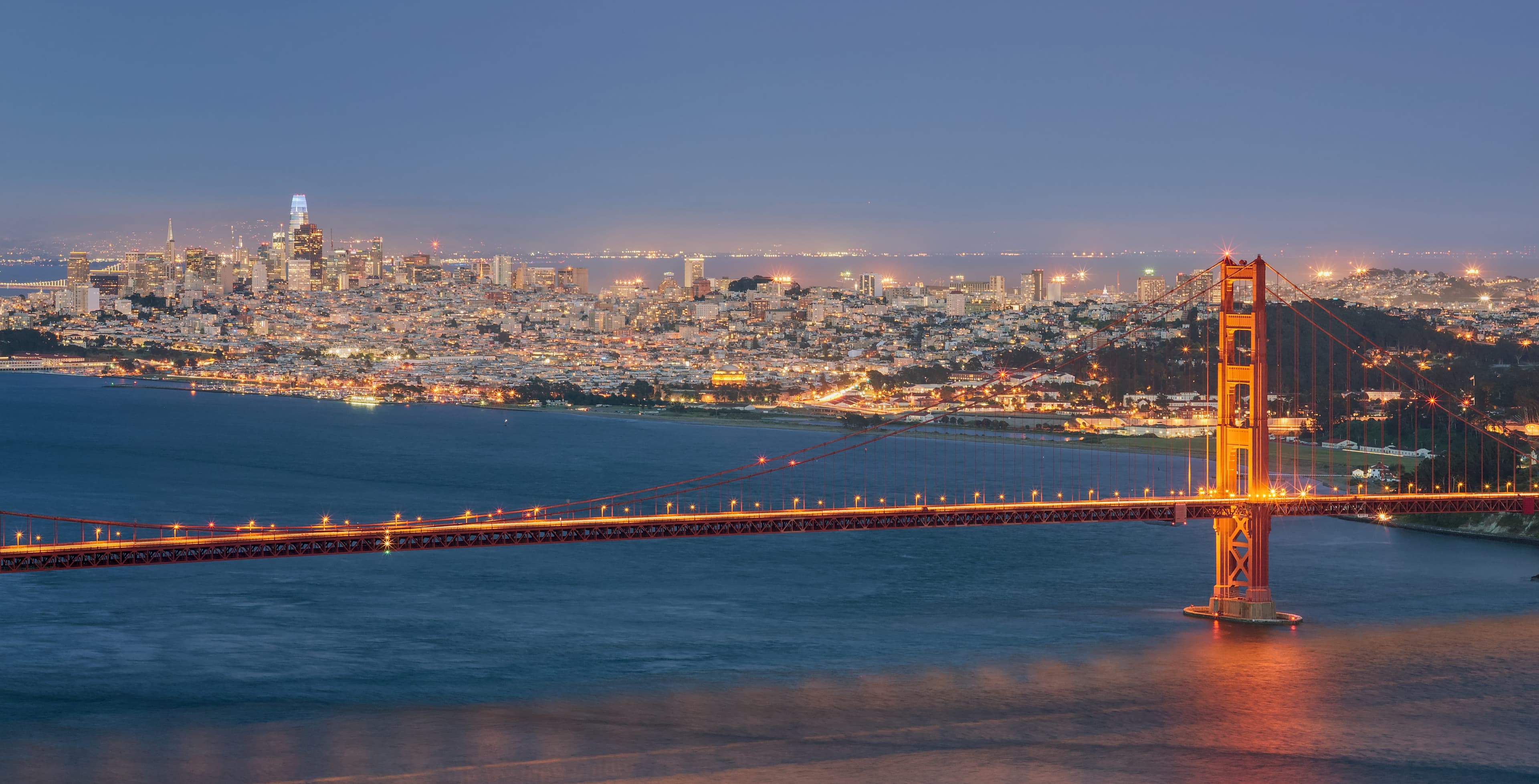
San Francisco is one of the easiest American cities to love quickly and one of the easiest to plan badly. The city is compact on a map, dramatic in person, and oddly unforgiving if you ignore hills, microclimates, transit gaps, and the fact that "near Union Square" can mean either useful or depressing depending on the block.
The best first San Francisco trip is not a race through every postcard stop. It is a 3- or 4-day city trip built around a good base, a few big views, neighborhood meals, smart transit choices, and realistic pacing. You want the Golden Gate Bridge, cable cars, the waterfront, North Beach, Chinatown, the Mission, Golden Gate Park, and maybe Alcatraz. You do not want to spend the whole trip waiting in cable car lines, driving around looking for parking, or discovering at 4 p.m. that your "quick walk" involves a hill with the moral character of a stair machine.
**Quick answer:** First-time visitors should usually stay around Union Square for transit, Nob Hill for classic San Francisco atmosphere, North Beach/Embarcadero for walking and waterfront access, Hayes Valley/Civic Center edges for food and arts if they choose carefully, or the Marina/Cow Hollow for a cleaner, quieter base near the bay. Plan 3 full days, use Muni and rideshares instead of renting a car, pack layers, book Alcatraz ahead, and treat neighborhood choice as the main trip decision.
Quick Facts
Table of Contents
- 1.Is San Francisco worth visiting for first-time travelers?
- 2.Best time to visit San Francisco
- 3.Where to stay in San Francisco
- 4.Getting around without wasting time
- 5.Food and neighborhoods: where to eat without overplanning
- 6.Best things to do on a first visit
- 7.A simple 3-day San Francisco itinerary
- 8.Safety, money, and practical tips
- 9.How to time your San Francisco trip for better value
Quick facts for first-time visitors
- **Best for:** scenery, food neighborhoods, waterfront walks, parks, architecture, culture, short urban breaks, easy add-ons to Napa or the coast - **Less ideal for:** beach holidays, warm-weather guarantees, travelers who want cheap central hotels, visitors who dislike visible city grit - **Best trip length:** 3 full days for the classic first visit; 4 days if you want Alcatraz, Golden Gate Park, the Mission, and a slower waterfront day - **Best areas to stay:** Union Square, Nob Hill, North Beach/Embarcadero, Hayes Valley, Cow Hollow/Marina, with the Mission better for food-focused repeat or confident first visitors - **Getting around:** use BART from the airport when it fits your hotel, Muni for city movement, cable cars as one scenic ride, ferries/rideshares for specific gaps, and skip the rental car inside the city - **Best time to visit:** September and October are usually the sweet spot; May, June, and early November can be good; July and August are often colder and foggier than visitors expect - **Food reality:** the best eating is neighborhood-based; Chinatown, North Beach, the Mission, Richmond, Sunset, Hayes Valley, and the Ferry Building all solve different meals - **First-timer mistake:** packing like California means warm evenings. San Francisco hears that and sends fog in a hoodie.
Table of contents
1. Is San Francisco worth visiting for first-time travelers? 2. Best time to visit San Francisco 3. Where to stay in San Francisco 4. Getting around without wasting time 5. Food and neighborhoods: where to eat without overplanning 6. Best things to do on a first visit 7. A simple 3-day San Francisco itinerary 8. Safety, money, and practical tips 9. How to time your San Francisco trip for better value
Is San Francisco worth visiting for first-time travelers?
Yes, San Francisco is worth visiting if you want a city with a strong sense of place: steep streets, bay views, Victorians, ferries, fog, parks, food, and neighborhoods that feel genuinely different from one another. It is not a polished theme-park city, and that is both the appeal and the thing visitors need to understand.
San Francisco is best for travelers who like walking, views, city texture, public transit, independent restaurants, museums, and neighborhood wandering. It is especially strong for a long weekend because the distances are short enough to cover a lot without changing hotels.
It is weaker for travelers who want predictable warmth, resort comfort, low prices, or a spotless downtown bubble. Parts of downtown, especially around the Tenderloin and some Market Street blocks, can feel rough. That does not make the whole city unsafe, but it does mean hotel location matters more than the booking map admits.
The right mindset is simple: choose your base carefully, keep expectations realistic, and build each day around one or two areas instead of ping-ponging across town. San Francisco is a city of neighborhoods. Treat it like one and it opens up.
> **Quick answer block:** San Francisco is best for first-time visitors who want views, food, neighborhoods, parks, bay scenery, and a compact city trip. It is less ideal for travelers who want warm beach weather, cheap central hotels, or a sanitized downtown-only experience.
Best time to visit San Francisco
The best time to visit San Francisco is usually September or October. Those months often bring the city's clearest, warmest weather, better odds of blue-sky bridge views, and a more forgiving balance between hotel prices and outdoor plans.
May and June can be good, especially before peak summer demand, but late spring can still swing between bright afternoons and chilly wind. July and August confuse a lot of first-timers because they sound like summer and often feel like a maritime prank. Fog can roll over the western side, the bridge can disappear, and evenings can be cold enough that the souvenir sweatshirt economy starts making sense.
Winter is not a terrible choice. San Francisco winters are mild by North American standards, and hotel prices can soften outside conventions and holidays. The tradeoff is rain risk, shorter daylight, and fewer of those crisp, golden bay days people imagine.
Spring is fresh and pleasant when rain eases. Fall is the safer bet if your trip depends on outdoor views, parks, and walking. Whenever you go, pack layers. A warm afternoon in the Mission can turn into a cold waterfront evening fast enough to make your outfit look like poor governance.
Where to stay in San Francisco
The best area to stay in San Francisco depends on whether you want transit convenience, classic city atmosphere, waterfront access, food neighborhoods, or a calmer residential feel. Do not choose only by hotel star rating. In San Francisco, a five-minute walk can move you from elegant to bleak with impressive efficiency.
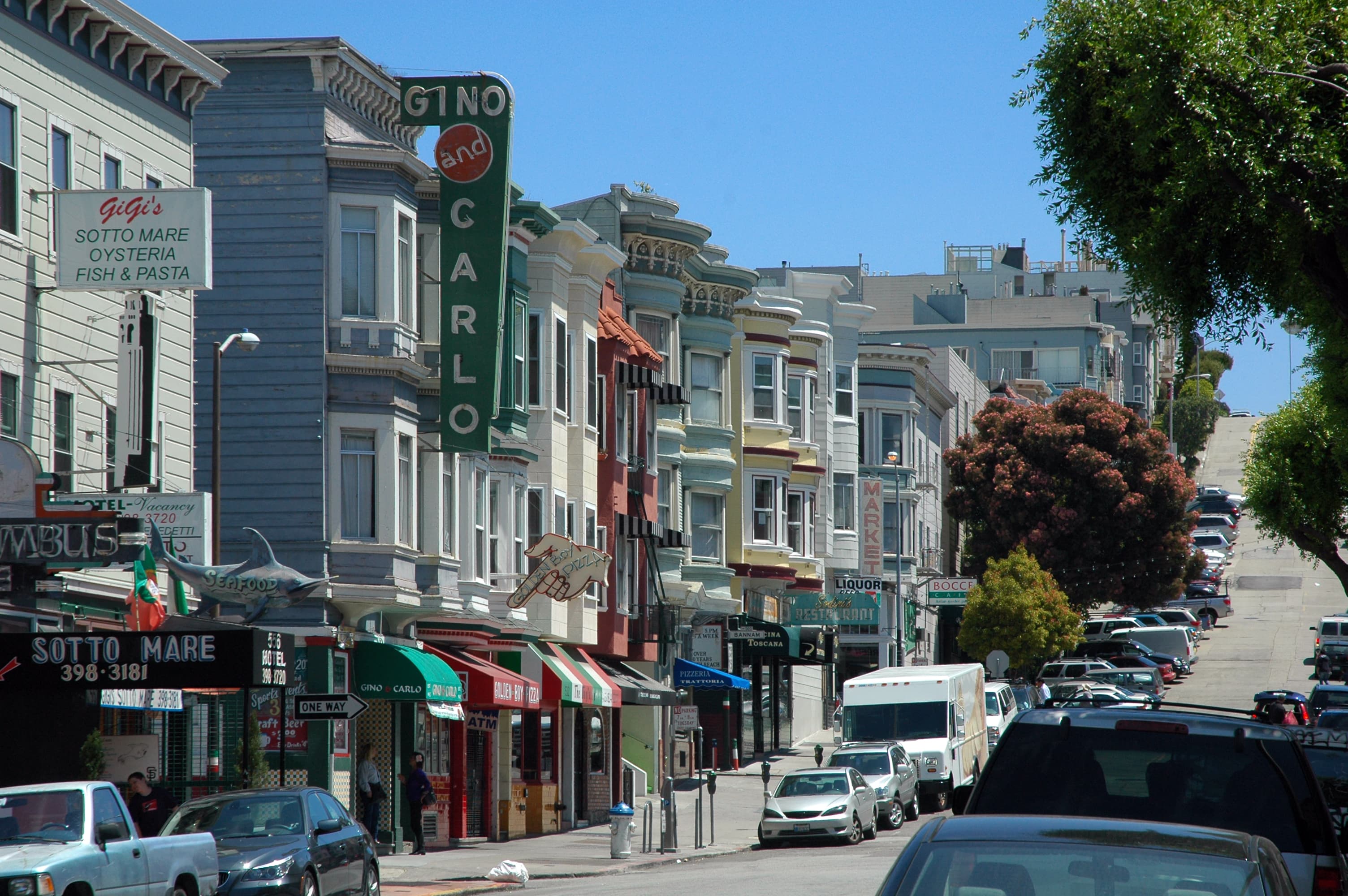
Union Square
Union Square is the practical first-timer base: central, connected to BART and Muni, close to shopping, and easy for airport arrivals. If your priority is transit and hotel choice, it works.
The drawback is that the surrounding downtown area is uneven. Some blocks are fine; others feel empty, gritty, or unpleasant at night. Stay closer to Union Square, Powell, or the Financial District side, and be careful about cheap rooms that drift toward the Tenderloin.
Nob Hill
Nob Hill gives you classic San Francisco: steep streets, older hotels, cable cars, bay glimpses, and a more polished feel than many downtown blocks. It is a strong choice if you want atmosphere without being too far from transit.
The tradeoff is the hill. That sounds obvious until you do it with luggage or tired legs. Nob Hill is great if you are comfortable walking slopes or using rideshares when needed.
North Beach and the Embarcadero
North Beach is one of the best bases for visitors who want character, restaurants, evening walks, and access to Chinatown, Coit Tower, the waterfront, and Fisherman's Wharf without sleeping in the most tourist-heavy stretch.
The Embarcadero is better for waterfront walks, ferries, the Ferry Building, and cleaner business-hotel convenience. It can feel quieter at night, but it is practical and scenic.
Fisherman's Wharf
Fisherman's Wharf is convenient for families, Alcatraz departures, bay tours, and first-time visitors who want obvious attractions nearby. It is not where I would stay for the best food or local feel.
Use it if convenience and kid-friendly logistics matter. Skip it if you want restaurants, nightlife, or a less packaged version of the city.
Hayes Valley and Civic Center edges
Hayes Valley has excellent restaurants, cafes, shopping, and arts access. It can be a smart base if you choose the hotel carefully and understand nearby Civic Center and Market Street can feel rough block by block.
This is a good fit for travelers who care about food and culture and are comfortable navigating a real city, not for visitors who want every surrounding block to feel polished.
Marina and Cow Hollow
The Marina and Cow Hollow offer a cleaner, quieter, more residential stay near the bay, the Presidio, Fort Mason, and Golden Gate Bridge approaches. They are good for couples, families, and travelers who like morning walks by the water.
The downside is weaker rail access. You will use buses, rideshares, or longer walks. For a slower 4-day trip, that can be fine. For a first visit packed with cross-city sightseeing, it can add friction.
The Mission
The Mission is one of San Francisco's best food and culture neighborhoods, but it is not the easiest first-timer hotel base for everyone. Stay here if restaurants, bars, murals, and BART access matter more than postcard scenery.
It is lively, mixed, and block-by-block. Many first-timers are better off visiting for meals and murals rather than sleeping there unless they already know they like urban neighborhoods with edge.
> **Quick answer block:** Stay around Union Square for transit, Nob Hill for classic atmosphere, North Beach/Embarcadero for walkable waterfront access, Hayes Valley for food and culture with careful hotel choice, and Marina/Cow Hollow for a calmer bay-side base.
Getting around without wasting time
San Francisco is a no-car city for most first-time visitors. Driving sounds flexible until parking, hills, break-in risk, one-way streets, and bridge traffic arrive to collect their little municipal taxes.
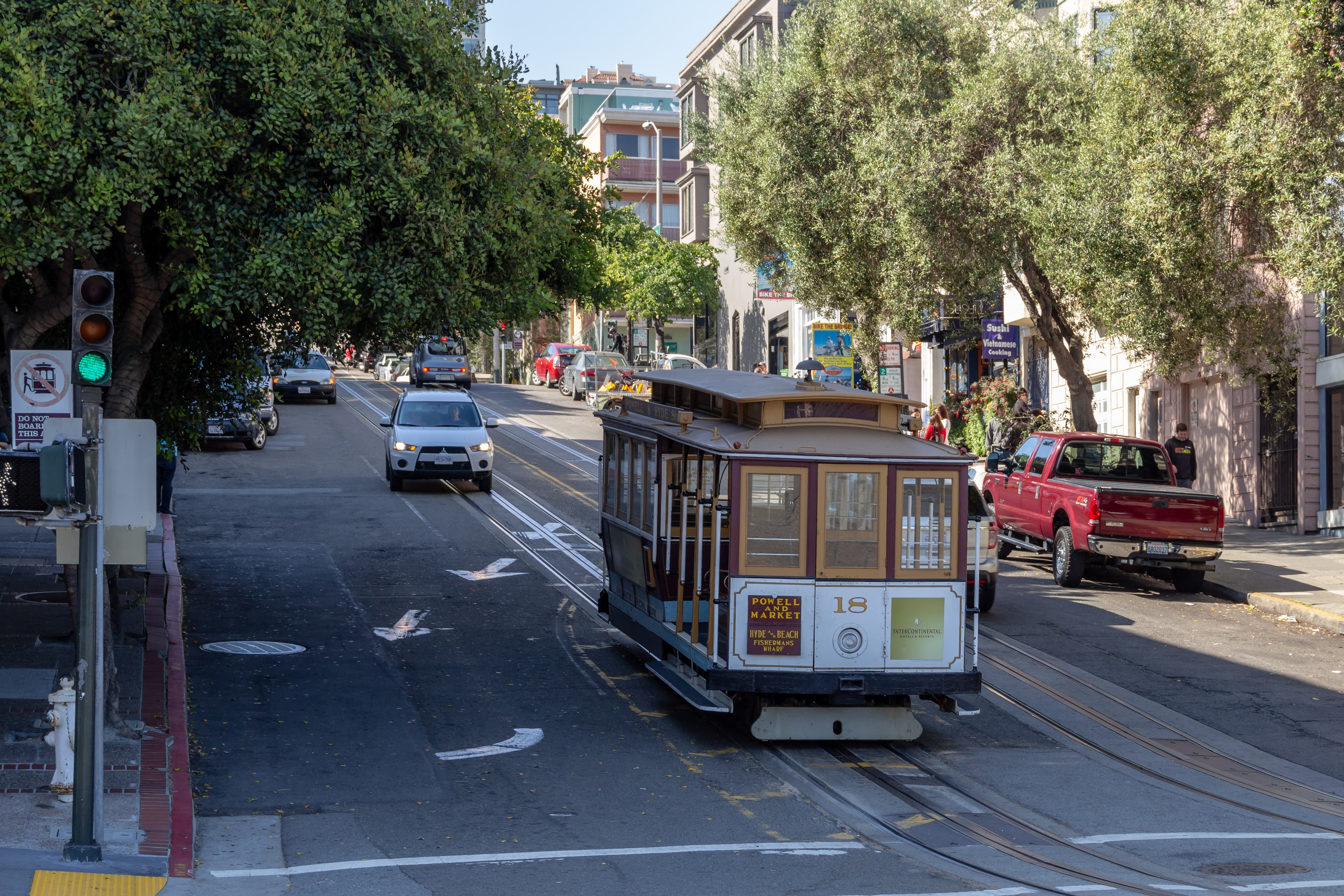
Use **BART** from SFO if your hotel is near Powell, Montgomery, Embarcadero, Civic Center, or another convenient station. It is usually the cleanest airport-to-city move for downtown stays. From Oakland, BART is also useful depending on arrival time and hotel location.
Use **Muni** for city travel: buses, light rail, streetcars, and cable cars. Clipper works across major Bay Area transit systems, and the MuniMobile app or visitor passes can make sense if you plan heavy city transit. Do not overcomplicate it. The main rule is to use transit when it saves hills and rideshares when transit turns a simple trip into a 40-minute geometry problem.
The **cable car** is worth doing once, ideally outside the worst queue times. It is a historic ride, not your main transportation system. If the Powell turnaround line looks ridiculous, board mid-route when possible or choose the California line for a less theatrical but often saner ride.
Walking is still essential. Chinatown to North Beach to the waterfront is a great walking sequence. Golden Gate Park requires more planning because it is huge. The Presidio, Crissy Field, and bridge viewpoints are better treated as a half-day area, not a quick add-on between lunch and Alcatraz.
Use rideshares for awkward cross-town jumps, late evenings, luggage, or routes where transit would force transfers. Use ferries if you add Sausalito, Oakland, or scenic bay movement. Skip rental cars unless you are leaving the city for Napa, Muir Woods, Monterey, or a wider California road trip.
Food and neighborhoods: where to eat without overplanning
San Francisco is a food city, but the best meals rarely happen by eating beside the most obvious attraction. Plan meals by neighborhood and you will do better with less effort.
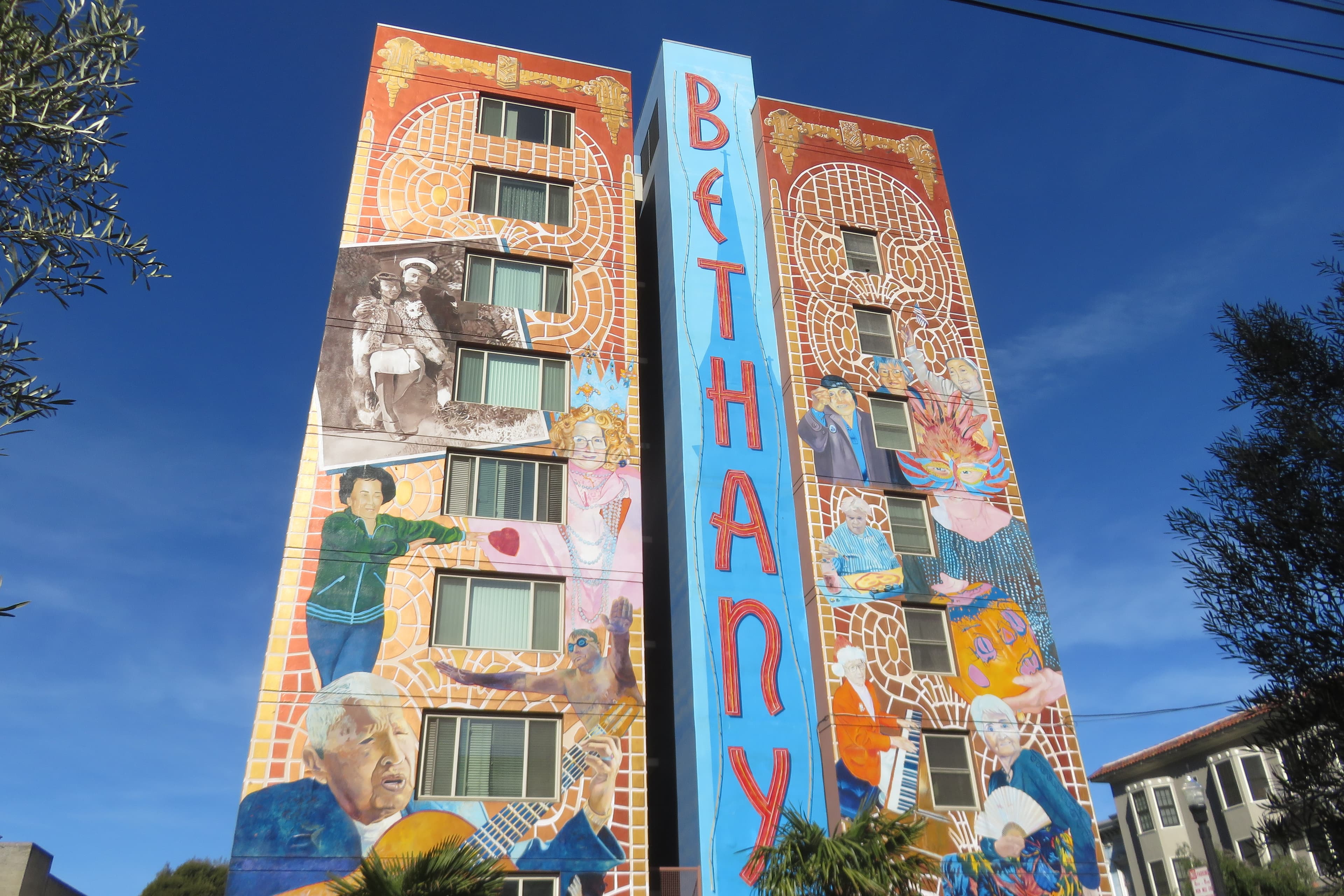
For a first trip, use **Chinatown** for dim sum, bakeries, tea shops, and wandering. It pairs naturally with North Beach and the Financial District. Do not just walk Grant Avenue and declare it done; side streets and Stockton Street give a better sense of the neighborhood.
Use **North Beach** for Italian-American history, cafes, pizza, old bars, and easy evening walking. It is touristy in parts, but still useful and atmospheric. Pair it with Coit Tower, Chinatown, or the waterfront.
Use **the Mission** for burritos, tacos, bakeries, murals, cocktails, and a different version of the city from the bay-view postcard. Valencia Street is the easy first-timer spine; 24th Street gives more neighborhood texture. Go during the day or early evening if you are unsure about the area.
Use **Richmond and Sunset** if you care about Asian food, foggy local life, and Golden Gate Park access. These neighborhoods are less convenient for a short first trip, but they are where repeat visitors start eating better.
Use **the Ferry Building** for a polished food hall, local products, coffee, and a waterfront anchor. It is not cheap, but it is useful. Saturday farmers market visits can be excellent if you do not mind crowds.
The main food mistake is chasing one famous restaurant across town at the wrong time. Pick the day's neighborhood first, then choose the meal. San Francisco is too hilly and transit-shaped for random dining pilgrimages to be painless.
> **Quick answer block:** Build meals around Chinatown, North Beach, the Mission, the Ferry Building, and Golden Gate Park/Richmond/Sunset days. Avoid eating only around Fisherman's Wharf, Union Square, and the busiest waterfront blocks unless convenience matters more than quality.
Best things to do on a first visit
The best first San Francisco itinerary mixes views, neighborhoods, parks, food, and one or two paid anchors. You do not need every museum and viewpoint. You need the right sequence.
**Golden Gate Bridge** is the obvious must-see. The best experience depends on weather and energy: walk part of the bridge, view it from Crissy Field, see it from Battery Spencer or Hawk Hill if you have a car or tour, or pair it with the Presidio. The bridge can vanish in fog, so keep some flexibility.
**Alcatraz** is worth booking ahead if you like history and bay views. It takes a meaningful chunk of time, so do not wedge it into an already overloaded day. Morning or late afternoon departures are usually easier to pair with the waterfront.
**Chinatown and North Beach** are essential together. This is one of the best walking pairings in the city: food, history, alleys, cafes, bookstores, churches, and Telegraph Hill nearby.
**Golden Gate Park** deserves more than a drive-by. The de Young Museum, California Academy of Sciences, Japanese Tea Garden, Conservatory of Flowers, Stow Lake, and west-end beach access can fill half a day or more. Choose two or three pieces, not the whole menu.
**The Mission** gives you murals, taquerias, Dolores Park, bakeries, and a warmer microclimate. It is one of the best areas for seeing San Francisco as a living city rather than a visitor loop.
**Ferry Building and the Embarcadero** work well for a first morning, a food stop, or a waterfront walk. It pairs with the Financial District, Chinatown, North Beach, or a ferry ride.
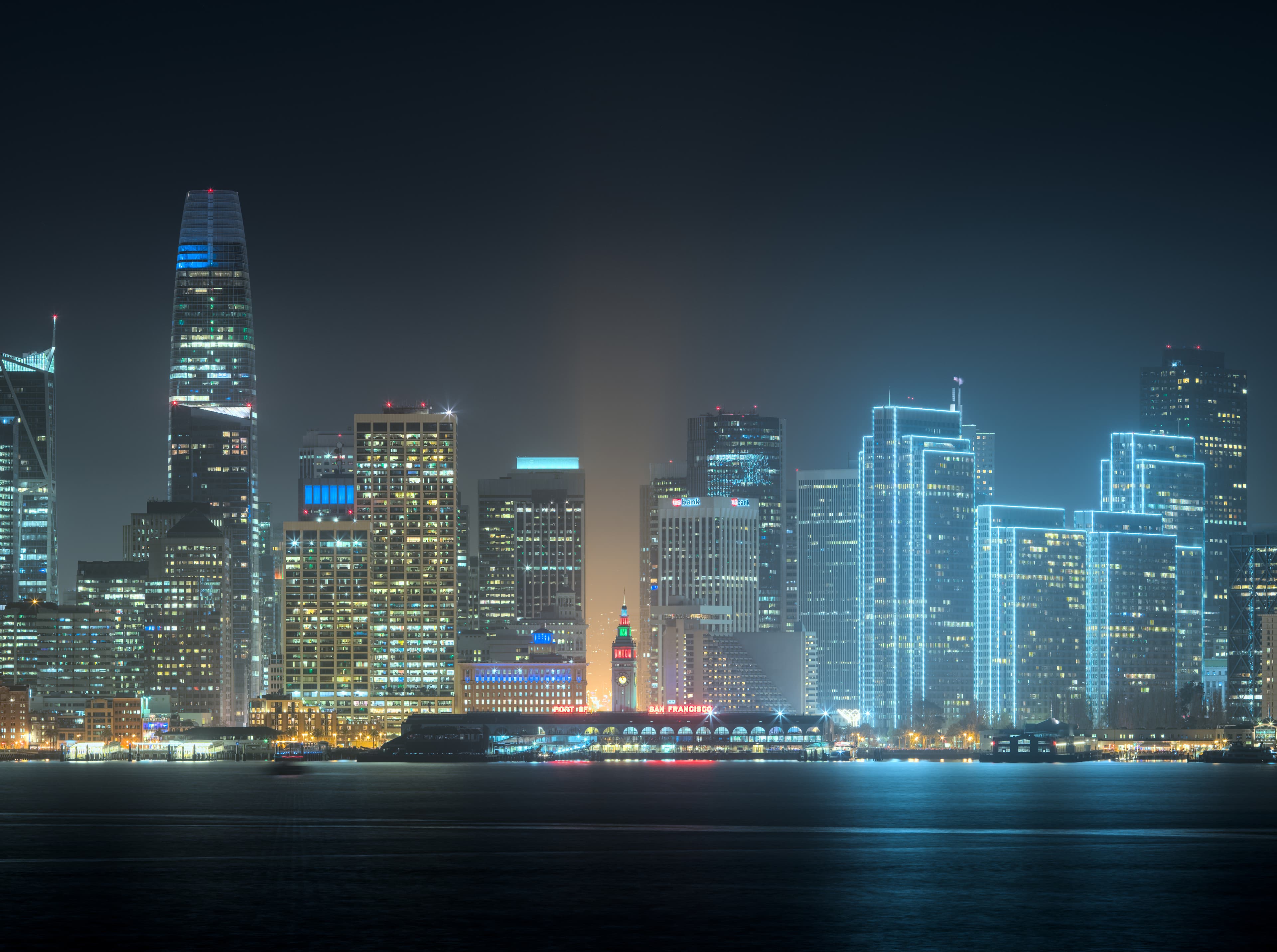
**Fisherman's Wharf and Pier 39** are optional. Families may enjoy them. First-timers may want a quick look. But do not let the wharf become your entire idea of San Francisco. It is the city with training wheels and souvenir fleece.
**Painted Ladies and Alamo Square** are a fine photo stop if you are nearby. They are not worth distorting the day around unless Victorian architecture is a priority.
A simple 3-day San Francisco itinerary
A good 3-day San Francisco itinerary should group sights by geography and weather. Always keep one flexible bridge/view slot because fog does not care about your spreadsheet.
Day 1: Downtown, Chinatown, North Beach, and the waterfront
Start at the Ferry Building for coffee, breakfast, or a waterfront walk. Move through the Financial District into Chinatown, spending time on side streets rather than only Grant Avenue. Continue into North Beach for lunch, cafes, City Lights, Washington Square, or Coit Tower if your legs are in a cooperative mood.
In the afternoon, walk or transit toward the Embarcadero, Pier areas, or an Alcatraz departure if you booked one. End with dinner in North Beach, Chinatown, or back near your hotel depending on energy.
Day 2: Golden Gate Bridge, Presidio, and Marina
Use the clearest forecast window for the Golden Gate Bridge. Start at Crissy Field or the Presidio Tunnel Tops, then work toward bridge views. If you want to walk the bridge, do part of it rather than assuming you need the full crossing.
Add the Palace of Fine Arts, Fort Point, the Marina, or Cow Hollow depending on interest. This is also the day for a calmer bay-side dinner. If the bridge is fogged in, reverse the plan with Golden Gate Park or the Mission and try again later.
Day 3: Golden Gate Park and the Mission
Spend the morning in Golden Gate Park. Choose the de Young, Japanese Tea Garden, California Academy of Sciences, Conservatory of Flowers, or a park walk. Do not try to do every attraction unless your vacation goal is institutional exhaustion.
In the afternoon, head to the Mission for murals, Valencia Street, 24th Street, Dolores Park, bakeries, and dinner. This gives your trip a needed shift away from bay views and tourist corridors.
If you have a fourth day
Use a fourth day for Alcatraz if you skipped it, Sausalito by ferry, Lands End and Ocean Beach, a museum day, or a wine country/coast add-on. Do not add Napa as a casual half-day unless you enjoy spending your holiday in transit wearing optimism as a blindfold.
Safety, money, and practical tips
San Francisco is generally manageable for visitors, but it requires city awareness. The most common problems are car break-ins, visible street disorder in certain areas, petty theft, and visitors booking hotels on blocks they do not understand.
Do not leave anything visible in a car, even for a few minutes. This is the most practical safety rule in the city. If you rent a car for a day trip, empty it before sightseeing. "Just a backpack" is not a security strategy; it is a donation box with zippers.
Be thoughtful around the Tenderloin, parts of Market Street, Civic Center, and some downtown edges, especially at night. These areas are not automatic danger zones, but they can feel uncomfortable. Walk with purpose, use transit or rideshare when it makes sense, and choose hotel blocks carefully.
Watch bags in crowded tourist areas: cable car queues, Fisherman's Wharf, busy transit, and packed viewpoints. Normal big-city habits are enough for most visitors.
Cards are widely accepted, but keep a small amount of cash for tips, small food stops, or backup. Tipping norms are American, which means they are both expected and somehow still emotionally exhausting.
Pack layers, even in summer. Wear real walking shoes. Check hill routes before committing. Book Alcatraz ahead. Reserve popular restaurants if a specific meal matters. Use official taxis or app rides, and avoid assuming every short distance is a short walk.
For transit, Clipper is the Bay Area's shared payment system for major agencies, including Muni and BART. Muni visitor passes can make sense if you plan multiple rides and a cable car. BART is regional rail, not the same as Muni; it is useful for airports and East Bay trips, less useful for moving around most neighborhoods inside San Francisco.
How to time your San Francisco trip for better value
San Francisco value depends heavily on hotel demand, conventions, season, and neighborhood. The city can be expensive even when flights look reasonable, so do not judge the trip by airfare alone.
September and October are often the best experience months, but they are not always the cheapest. January, February, and some spring periods can bring better hotel rates if you accept rain risk or cooler weather. Summer can be expensive and foggy, which is the kind of deal only a hotel revenue manager could love.
Book earlier if you want a specific neighborhood, bay-view hotel, Alcatraz tour, or peak fall dates. For cheaper stays, compare Union Square, Nob Hill, Embarcadero/Financial District weekend rates, Hayes Valley edges, and Marina/Cow Hollow. Be skeptical of suspiciously cheap central hotels until you check the exact block.
For flights, compare SFO and Oakland. SFO is usually easiest for first-timers staying downtown or on the west/north side of the city. Oakland can be useful, especially with BART access, but late arrivals or awkward hotel locations can erase the savings.
If you are adding Napa, Sonoma, Monterey, Yosemite, or Highway 1, rent a car only for the outside-city portion. Keeping a rental car while staying in San Francisco is usually paying for stress with extra steps.
> **Quick answer block:** For the best first San Francisco trip, visit in September or October if weather matters most, use winter or early spring for possible hotel value, compare SFO and Oakland flights, and rent a car only after you leave the city.
FAQ
How many days do you need in San Francisco for a first visit?
Most first-time visitors need 3 full days in San Francisco. Four days is better if you want Alcatraz, Golden Gate Park, the Mission, the bridge, and a slower waterfront day without rushing.
What is the best area to stay in San Francisco for first-timers?
Union Square is best for transit convenience, Nob Hill for classic atmosphere, North Beach/Embarcadero for waterfront and walking, Hayes Valley for food and culture with careful block choice, and Marina/Cow Hollow for a calmer bay-side stay.
Do you need a car in San Francisco?
No. Most first-time visitors should not rent a car inside San Francisco. Use BART, Muni, walking, rideshares, and ferries. Rent a car only for day trips or the next part of a California itinerary.
Is San Francisco safe for tourists?
San Francisco is generally manageable for tourists who use normal city awareness, choose hotel locations carefully, avoid leaving anything in cars, and use rideshares or transit when a block or late-night route feels uncomfortable.
When is the best time to visit San Francisco?
September and October are usually the best months for weather. May, June, and early November can also work well. July and August are popular but often foggy and cooler than visitors expect.
Let Fare Window find the best fares for your next trip.
Track routes, watch price changes, and get smarter alerts before you book.
Start tracking faresKeep planning
Related travel guides
Explore more first-time destination guides while you compare routes, seasons, and trip shapes.