
Bogotá Travel Guide for First-Time Visitors
A practical Bogotá travel guide for first-time visitors covering the best time to go, where to stay, what to do, and how to time your visit for better value.

Bogotá is one of the most interesting first trips in South America if you want a big city with real texture, strong food, great museums, and neighborhoods that feel different enough to shape the whole trip. The best Bogotá trip for most first-time visitors is 3 to 4 days focused on the right base, altitude-aware pacing, and a mix of historic core, modern neighborhoods, and food-led wandering.
What makes Bogotá rewarding is contrast. You get colonial streets in La Candelaria, sharper urban energy in Chapinero and Zona G, more polished hotel-and-restaurant convenience in Zona T, and a city that feels more local and less stage-managed than a lot of first-timer capital-city itineraries. What trips people up is traffic, altitude, and the mistake of treating Bogotá like a city you should rush through on the way to somewhere else.
Quick answer: Bogotá is best for first-time visitors who want museums, street life, food, coffee culture, and a city with real neighborhood contrast. It is less ideal if you want beach weather, easy short-distance sightseeing, or a city where every major stop sits in one compact tourist zone.
Quick Facts
- Best for: Museums, food, coffee culture, neighborhood contrast, and urban texture.
- Stay in: Zona G or Chapinero Alto for the best first-trip balance.
- Best months: January to March and July to August.
- Minimum stay: 3 days to see the city properly.
- Getting around: Ride-based with walkable neighborhood clusters. Altitude affects pacing.
Table of Contents
When is the best time to visit Bogotá?
The best time to visit Bogotá is usually during the drier stretches of December to March and July to August. Those periods tend to make walking, viewpoints, and neighborhood time easier, even though Bogotá can still throw changing weather at you because the city enjoys reminding everyone that forecasts are more of a suggestion.

Bogotá does not have the same simple hot-versus-cold tourist logic as many destinations. The city sits high, so temperatures stay relatively cool year-round. What changes more noticeably is rain pattern, cloud cover, and how comfortable it feels to spend long hours outside.
If you visit in wetter periods, the trip is still absolutely workable. You just need to expect more indoor pivots, slower-moving days, and less confidence around panoramic viewpoints like Monserrate.
Quick answer: The best months for a first Bogotá trip are usually January through March and July through August.
Seasonal tradeoffs at a glance
Driest stretch — best for walking, viewpoints, and outdoor plans.
Wetter season — more indoor pivots, fewer clear Monserrate days.
Drier window — pleasant city weather, moderate visitor numbers.
Second wet season — still workable, fewer tourists, greener hills.
How many days do you need in Bogotá?
Most first-time visitors need 3 to 4 days in Bogotá. That gives you enough time to see the city's key historic and modern areas, visit at least one major museum, eat well across a few neighborhoods, and leave room for Bogotá's pace instead of trying to body-slam the whole place in 36 hours.
Quick answer: Plan on 3 to 4 days for a first Bogotá trip. Two is tight, five makes sense for deeper museum time or day-trip flexibility.
Two days can work if Bogotá is one stop in a longer Colombia trip, but it often feels rushed. Five days makes sense if you want deeper museum time, a slower culinary trip, day-trip flexibility, or more time adjusting to altitude and city rhythm.
Tight but doable if you stay central and keep expectations realistic.
Sweet spot — historic core, museums, neighborhoods, and food.
Slower pace with deeper food, museums, or a day trip outside the city.
Where should first-time visitors stay in Bogotá?
The best area to stay in Bogotá for most first-time visitors is Zona G, Chapinero Alto, or the safer hotel-and-restaurant parts between Chapinero and Zona T. These areas balance comfort, dining, and practical access better than staying directly in the historic center.
The main decision is whether you want convenience and comfort or historic atmosphere right outside the door. For most first trips, comfort wins. Romantic ideas about “staying in the old quarter” are lovely until it is late, raining, and you realize atmosphere does not carry your bags or improve your judgment.
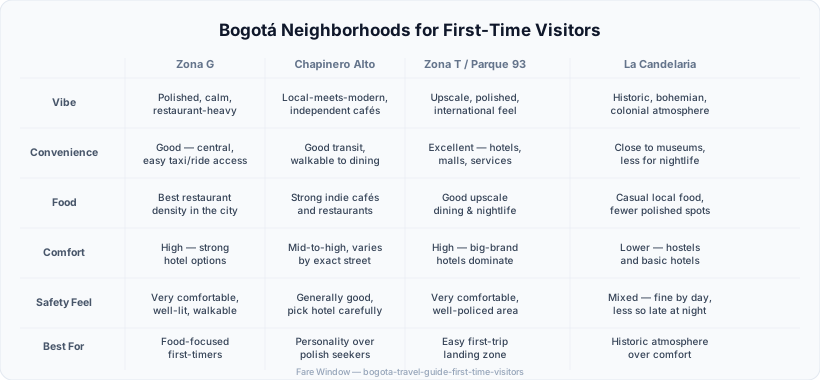
Quick answer: Stay in Zona G or Chapinero Alto for the best mix of comfort, food, and first-trip practicality. Choose La Candelaria only if historic atmosphere matters enough to justify the tradeoffs.
Zona G
Zona G is best if food is a big part of the trip. It has strong restaurant density, a more polished feel, and works well for travelers who want a calm but connected base. The tradeoff is that it is less historic and not as nightlife-heavy as other areas.
Chapinero Alto
Chapinero Alto is best if you want a local-meets-modern neighborhood with independent cafés, restaurants, and a more lived-in feel. It gives you more personality than a pure business-hotel area. The tradeoff is that exact street feel can vary a lot, so hotel selection matters.
Zona T / Parque 93 area
Zona T and nearby upscale northern zones are best if you want hotel convenience, polished dining, and an easier first-trip landing. They are practical, well-serviced, and comfortable. The tradeoff is that they can feel more sanitized and less revealing of Bogotá's broader personality.
La Candelaria
La Candelaria is best for visitors who want maximum historic atmosphere and easy museum access. The tradeoff is that it is not the most convenient or universally comfortable base for every first-time visitor, especially if you prefer a smoother hotel setup or plan to be out late regularly.
What should you actually do in Bogotá?
The best things to do in Bogotá are a mix of history, museums, viewpoints, food neighborhoods, and street-level wandering. The city works best when you combine a few anchors with time to absorb how different its neighborhoods feel.
Start with La Candelaria, but do not end there
La Candelaria is worth seeing because it gives you Bogotá's historic center, colonial architecture, murals, and some of the city's clearest first-timer context. Plaza Bolívar and the surrounding core matter if you want the civic and historic side of the city.

The mistake is treating La Candelaria as all of Bogotá. It is one important layer, not the whole story.
Prioritize Museo del Oro and one more cultural anchor
Museo del Oro is one of the most worthwhile museums in the city and often one of the most memorable stops for first-time visitors. It gives the trip more depth than a generic “walk around and take photos” day ever will.
A second anchor might be the Botero Museum, the National Museum, or simply a deeper neighborhood-and-food day depending on your interests. Bogotá rewards curation more than maximalism.
Go to Monserrate only when conditions make sense
Monserrate is one of Bogotá's signature experiences because it gives you scale and perspective over the city. But this is not a “must no matter what” situation. If weather is poor, visibility is weak, or the timing is bad, forcing it can be underwhelming.

That is true travel planning in general: the best move is often doing the right thing at the right time, not worshipping a checklist like it is a small angry god.
Use food and coffee as part of the structure of the trip
Bogotá is strong for food, specialty coffee, bakeries, and slower café time. Zona G, Chapinero, and Usaquén all give you useful ways into that side of the city. If you build meals around neighborhoods instead of just plugging restaurants into maps at random, the city makes more sense.
- Zona G for restaurant density and more polished dining.
- Chapinero for independent cafés and a more local-feeling food scene.
- Usaquén for a slower rhythm and weekend market browsing.
- Coffee everywhere — Colombia's specialty coffee scene is real and accessible.
Explore at least one neighborhood beyond the obvious core
Bogotá gets better once you move beyond the first-timer historic circuit. Chapinero gives you a more contemporary urban feel. Usaquén offers a different rhythm and can work well for a slower half-day. Northern areas can feel more polished, while other zones feel more mixed and less curated.
When should you book for better prices?
For better Bogotá prices, aim for the drier seasons outside the highest holiday peaks and avoid last-minute hotel decisions in the most in-demand neighborhoods. Bogotá usually offers better value than some headline Latin American capitals, but the better-located, more comfortable options still get more expensive when demand spikes.
Quick answer: For the best balance of weather and price, target Bogotá's drier months and book earlier if you want strong hotels in Zona G, Chapinero Alto, or Zona T.
If you want the best mix of weather and value, early-booked stays in the drier windows usually make the most sense. If your dates are flexible, midweek city stays can sometimes be friendlier than peak weekend demand in the most polished hotel areas.
Flights can also price better outside major holiday movement and school-break peaks, though exact pricing shifts depend heavily on route and season.
A practical 3-day Bogotá itinerary for first-time visitors
A good 3-day Bogotá itinerary should mix history, altitude-aware pacing, and neighborhood contrast instead of pretending every day needs to start with a landmark and end with exhaustion.
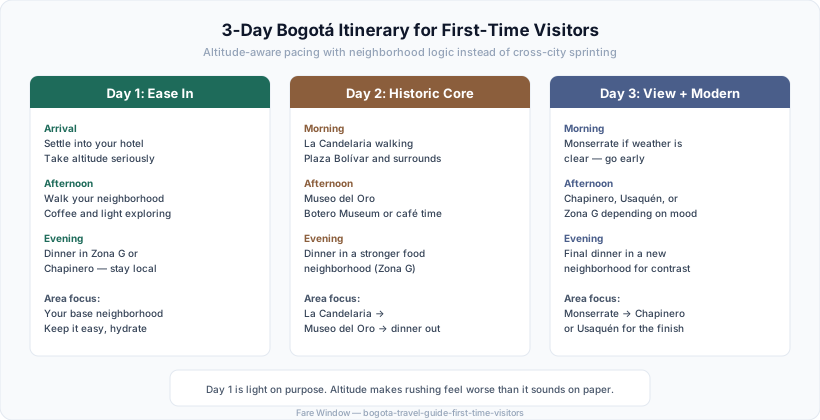
Day 1: Ease in and stay local
On arrival, keep the first day lighter. Walk your base neighborhood, eat well, get coffee, and adjust to the altitude. This is not laziness. It is the difference between a smoother trip and wondering why stairs suddenly feel personal.
Day 2: Historic core and museum day
Use the second day for La Candelaria, Plaza Bolívar, and Museo del Oro. Add Botero Museum or a slower café and street-wandering plan depending on your pace.
Day 3: Viewpoint and modern Bogotá
Use the third day for Monserrate if weather is clear, then spend the rest of the day in Chapinero, Zona G, or Usaquén depending on your interests. This gives the trip a better balance between the classic view and the modern city.
Practical Bogotá travel tips
Bogotá is easiest when you respect altitude, traffic, and neighborhood differences instead of trying to brute-force the city like a checklist challenge.
Tips that matter most
- Take altitude seriously on arrival. Walk slower, hydrate, and do not pack the first few hours too tightly.
- Build around neighborhoods. Traffic can make short map distances feel fake.
- Use rides strategically. Bogotá is not the city for random cross-town zigzagging just because the app says something looks close.
- Dress for changing weather. Layers matter more than fantasy packing.
- Choose your base carefully. The right neighborhood changes the whole tone of the trip.
Who Bogotá is best for
Bogotá is best for travelers who like cities with real urban contrast, culture, strong food, and enough complexity to feel rewarding rather than packaged. It works especially well for travelers who want to understand a place instead of just collecting scenic proof-of-life photos.
Bogotá is less ideal for travelers who want tropical weather, ultra-compact sightseeing, or a trip that runs entirely on autopilot.
FAQ
Is Bogotá worth visiting for first-time travelers?
Yes, Bogotá is worth visiting for first-time travelers who want museums, neighborhoods, food, and a city with real depth rather than resort-style ease.
How many days are enough for Bogotá?
Three to four days is enough for most first-time Bogotá trips.
What is the best area to stay in Bogotá?
Zona G and Chapinero Alto are usually the best bases for first-time visitors.
What is the best month to visit Bogotá?
January through March and July through August are usually the best periods for a first trip.
Is Bogotá hard because of altitude?
Bogotá can feel harder on day one because of altitude, especially if you arrive and try to overdo it immediately.
Final take
Bogotá is not the kind of city that begs for instant love through one giant postcard sight. It earns the trip through neighborhoods, museums, food, and the feeling that the city has layers worth staying awake for. If you pace the first day well, stay in the right area, and let the trip balance history with modern neighborhood time, Bogotá makes a strong first impression without having to yell about it.
Planning a trip to Bogotá?
Let Fare Window find the best fares
Set your trip's departure and return windows. Fare Window checks every date combination automatically and sends you a daily fare report.
Start your free trialKeep planning
Related travel guides
Explore more first-time destination guides while you compare routes, seasons, and trip shapes.


