Buenos Aires Travel Guide for First-Time Visitors
Plan a first Buenos Aires trip with practical advice on where to stay, neighborhoods, transport, food, safety, and a simple four-day itinerary.
Buenos Aires is one of the best first-time city trips in South America if you want architecture, food, nightlife, parks, bookstores, football culture, and long cafe hours without needing to move every day. It is also a city where the first big decision matters: stay in the wrong area, plan days by famous names instead of neighborhoods, or treat dinner like it happens at North American hours, and the trip starts fighting you.
For most first-time visitors, the best bases are Palermo or Recoleta. Palermo gives you restaurants, bars, shopping, parks, and the easiest soft landing. Recoleta gives you classic architecture, calmer streets, museums, and better walking access toward the city center. San Telmo is atmospheric and useful if you want old Buenos Aires, but it is better for confident walkers than for people who want everything polished. Puerto Madero is clean and easy, but it can feel oddly separated from the city you came to see.
The right way to plan Buenos Aires is by mood and geography: one historic day, one Recoleta and Palermo day, one La Boca and San Telmo day, and one slower food or park day. Do that, and the city feels generous. Try to turn it into a checklist from Palermo to La Boca to Recoleta to a tango show in one long sprint, and Buenos Aires will punish you with traffic, late dinners, and a quiet little lesson in overconfidence.
Quick Facts
- {'label': 'Best first-time base', 'value': 'Palermo for food/nightlife; Recoleta for classic, calmer convenience'}
- {'label': 'Best atmospheric base', 'value': 'San Telmo, if you are comfortable with rougher nighttime edges'}
- {'label': 'Best trip length', 'value': '4 full days; 5 if adding Tigre, football, or slower food days'}
- {'label': 'Getting around', 'value': 'SUBE card for Subte/buses; taxis or ride-hail at night and for awkward routes'}
- {'label': 'Food rhythm', 'value': 'Plan late dinners, book popular parrillas, and use lunch as the big meal if needed'}
- {'label': 'La Boca rule', 'value': 'Visit Caminito in daylight as a focused stop, not a wandering base'}
- {'label': 'Main planning mistake', 'value': 'Crossing the city too often instead of grouping days by neighborhood'}
Table of Contents
- 1.Who Buenos Aires Is Best For
- 2.Quick Facts for Planning
- 3.What to Prioritize on a First Buenos Aires Trip
- 4.Where to Stay in Buenos Aires
- 5.Best Neighborhoods and Areas for First-Timers
- 6.Getting Around Without Wasting Half the Trip
- 7.Food Strategy for a First Trip
- 8.Safety and Practical Tips
- 9.A Simple 4-Day Buenos Aires Itinerary
- 10.Common First-Timer Mistakes
- 11.Bottom Line
Who Buenos Aires Is Best For
Buenos Aires is best for travelers who like cities more than resorts. It suits people who enjoy walking, eating late, lingering in cafes, comparing neighborhoods, and letting a city reveal itself through streets and habits rather than one giant bucket-list attraction.
It is especially strong for food-focused travelers, architecture fans, bookshop people, nightlife visitors, couples, solo travelers with city experience, and anyone who wants a first South America trip that still feels fairly navigable. The city has European-looking bones, Latin American rhythm, and enough neighborhood variety that Palermo, Recoleta, San Telmo, La Boca, Belgrano, and Puerto Madero do not feel like interchangeable hotel zones.
It is not ideal if you want beaches, nature-first travel, very early dinners, or a city where every top sight is wrapped in a tidy tourist path. Buenos Aires is more about atmosphere than monuments. The best parts are often a steak lunch that turns into an afternoon, a walk through Recoleta after the cemetery, a Sunday in San Telmo, a late drink in Palermo, or realizing that the famous bookstore really is worth a stop even though "famous bookstore" sounds like something invented by a tourism board with a stationery addiction.
Quick Facts for Planning
| First-trip question | Practical answer | |---|---| | Best first-time base | Palermo for restaurants/nightlife; Recoleta for classic, calmer convenience | | Best value base | Recoleta, Almagro, Villa Crespo, or parts of Palermo away from the flashiest blocks | | Most atmospheric short-stay base | San Telmo, if you are comfortable with rougher edges at night | | Best trip length | 4 full days; 5 is better if you want Tigre, football, or slower food days | | Getting around | Subte and buses with a SUBE card by day; ride-hail/taxis for late nights and awkward hops | | Best food strategy | Plan by neighborhood and meal time; dinner is late, reservations matter at popular parrillas | | Safety posture | Normal big-city awareness, with extra care around phones, quiet streets, and La Boca outside tourist blocks | | Main planning mistake | Staying in a random cheap area and crossing the city too often |
What to Prioritize on a First Buenos Aires Trip
Prioritize neighborhoods, food, and pacing before you prioritize individual sights. Buenos Aires is not a city where one tower, palace, or viewpoint defines the trip. The point is the layering: old cafes, political squares, wide avenues, belle epoque apartment blocks, leafy parks, parrillas, tango rooms, street markets, and neighborhoods that change tone every 20 minutes.
For a first visit, the high-value priorities are:
- Recoleta Cemetery, Plaza Francia, Avenida Alvear, and the nearby museum corridor. - Palermo Soho or Palermo Hollywood for restaurants, bars, boutiques, and nightlife. - Palermo parks, the botanical garden, or the rose garden when you need breathing room. - San Telmo for old streets, market halls, antiques, Sunday atmosphere, and tango-adjacent history. - La Boca and Caminito as a short, daytime, contained visit rather than a casual wander. - Plaza de Mayo, Casa Rosada, Avenida de Mayo, Cafe Tortoni, and the city-center spine. - Teatro Colon or El Ateneo Grand Splendid if you want indoor architecture with actual payoff. - One serious food plan: parrilla, pizza, empanadas, ice cream, vermouth, or a cafe crawl.
Do not underrate slow time. Buenos Aires gets better when you leave gaps between plans. A perfect day might be Recoleta in the morning, a long lunch, a rest, and Palermo at night. It does not need six museums and a heroic bus transfer to qualify as travel.
Where to Stay in Buenos Aires
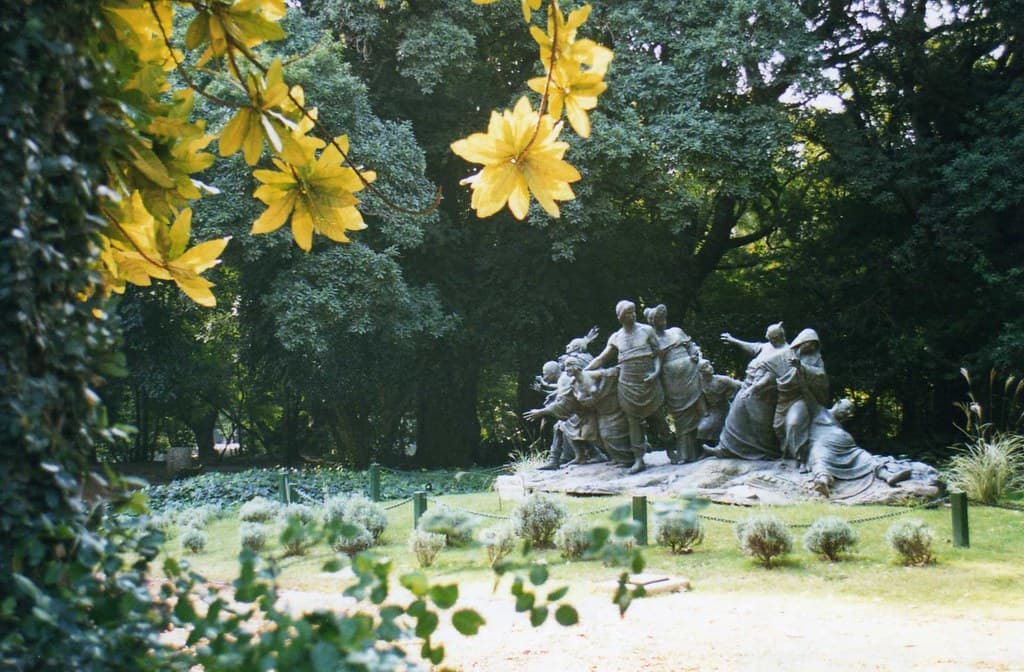
Palermo is the best default for first-time visitors who want restaurants, bars, shopping, parks, and easy evenings. The tradeoff is that Palermo is large. Palermo Soho and Palermo Hollywood are not the same as being near the Bosques de Palermo, and a hotel that says Palermo can still leave you in a less convenient pocket. For most visitors, being near useful streets, restaurants, and a Subte or major avenue matters more than chasing the trendiest block.
Recoleta is the best base if you want elegance, museums, walkability, and a calmer first impression. It is better for travelers who like walking during the day and want a polished area at night. You can reach Palermo, Retiro, Microcentro, and San Telmo without feeling stranded, and the neighborhood itself has enough cafes, restaurants, and classic architecture to make low-effort days pleasant.
San Telmo is best for atmosphere, older buildings, market energy, and travelers who like a slightly rougher city texture. It works well if you plan to spend time in the historic center, Puerto Madero, and La Boca. The tradeoff is nighttime judgment. Some blocks feel quiet after dark, and you will use taxis or ride-hail more often if you are coming back late from Palermo.
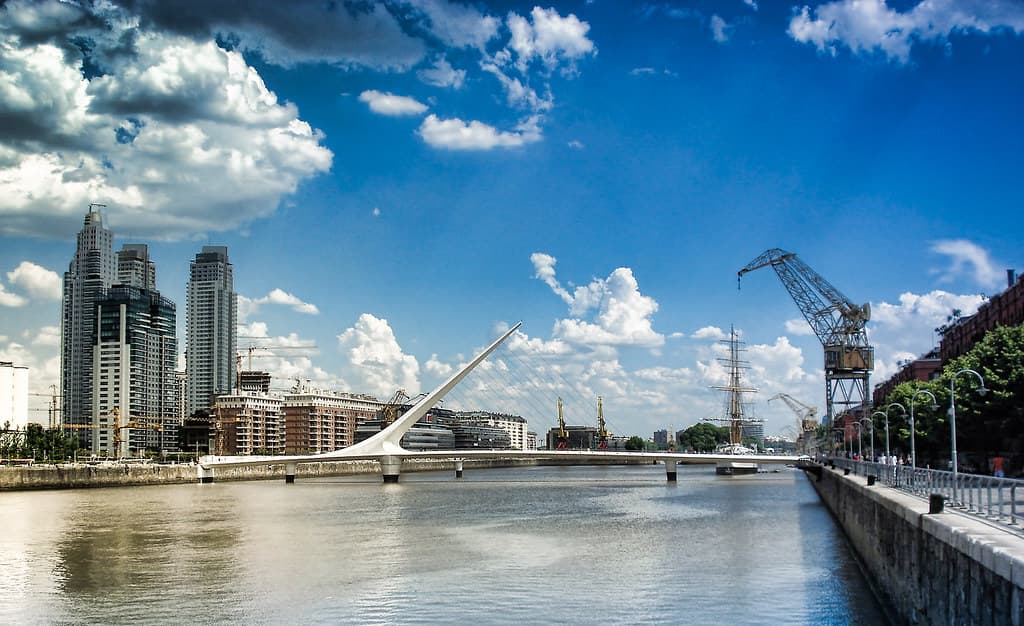
Puerto Madero is clean, modern, and easy, with waterfront paths and hotel comfort. It is good for business travelers, families who want predictability, or anyone nervous about city grit. The downside is that it can feel removed from everyday Buenos Aires. You may sleep well and still spend much of the trip crossing into other neighborhoods for personality.
Microcentro and Retiro are practical for some itineraries but not the best default bases. They can be convenient for landmarks and transit, yet feel quiet or awkward after business hours. Belgrano, Villa Crespo, Chacarita, and Almagro can be excellent for repeat visitors or longer stays, but they require more confidence about what kind of Buenos Aires trip you want.
Best Neighborhoods and Areas for First-Timers
Palermo is best for easy pleasure: dinner, drinks, cafes, parks, shopping, and low-stress wandering. If you are arriving tired and want a neighborhood that gives you options without much homework, start here. Palermo Soho is more boutique-and-restaurant oriented; Palermo Hollywood leans dining and nightlife; the park side is better for daytime breathing room.
Recoleta is best for classic Buenos Aires. It gives you the cemetery, elegant streets, Avenida Alvear, cultural stops, and a calmer rhythm. It is a strong first or second day because it helps you understand the city's old wealth and architecture before you dive into trendier areas.
San Telmo is best for older texture. The official tourism board describes it as one of the city's oldest and most emblematic neighborhoods, and that is exactly how to use it: cobblestones, market halls, old bars, antiques, Plaza Dorrego, and Sunday street life. It is not the cleanest or easiest base, but it is one of the most memorable areas to visit.
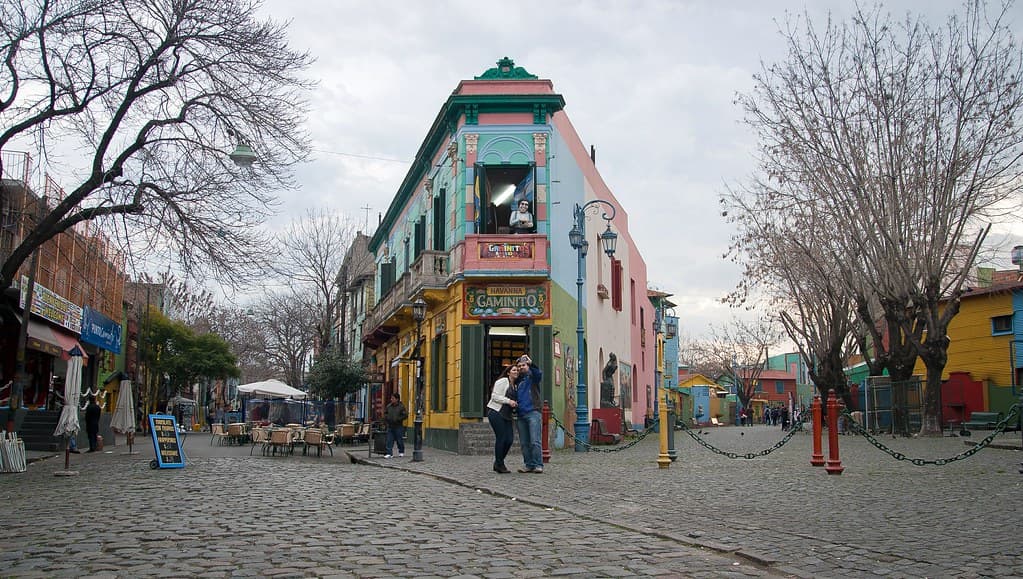
La Boca is best as a focused daytime stop. Caminito is colorful, photogenic, touristy, and short. Go for the visual hit, La Bombonera if football matters, and the neighborhood's immigrant-port identity. Do not treat the wider area as a casual first-time wandering zone, especially late in the day.
Puerto Madero is best for easy waterfront walking, modern hotels, and a calmer reset. It is not where I would send someone looking for the soul of Buenos Aires, but it is useful when you want a clean walk, a simple meal, or a low-friction hotel base.
Belgrano is best for a quieter, more residential city day. It has parks, cafes, Barrio Chino, and a less tourist-shaped rhythm. Add it if you have extra time or want to see where Buenos Aires feels lived-in rather than packaged.
Getting Around Without Wasting Half the Trip
The best transport strategy in Buenos Aires is mixed: Subte when it lines up, buses when you are comfortable, walking inside a neighborhood, and ride-hail or taxis for late nights, airport trips, and routes that look simple on a map but turn into a cross-city crawl.
The city tourism site notes that Buenos Aires has a large public transport network, a vast cycle-lane network, licensed taxis, and the Subte. For visitors, the important detail is the SUBE card. You need it for the Subte and buses, so get one early and add credit before you are standing at a station pretending your phone battery is a personality trait.
The Subte is useful for Palermo, Recoleta-adjacent routes, downtown, and straightforward daytime moves. It is often faster than traffic, especially when your route runs cleanly along a line. Buses cover much more of the city, but first-timers may find them less intuitive until they understand stops, directions, and card use.
Ride-hail and taxis are the better answer at night, after tango or dinner, to and from airports, and for La Boca if you do not want to think too hard. BA Taxi is the official city taxi app, and Cabify is commonly used. Regular black-and-yellow taxis are everywhere, but app-based routing is easier if your Spanish is limited or you want clearer pricing.
Walking is excellent inside Palermo, Recoleta, San Telmo by day, Puerto Madero, and parts of Belgrano. It is less excellent as a plan to connect far-flung neighborhoods. Buenos Aires looks flat and walkable because it is flat. That does not mean Palermo to San Telmo is a charming little stroll. It is a long city crossing with traffic and better things to do.
Food Strategy for a First Trip
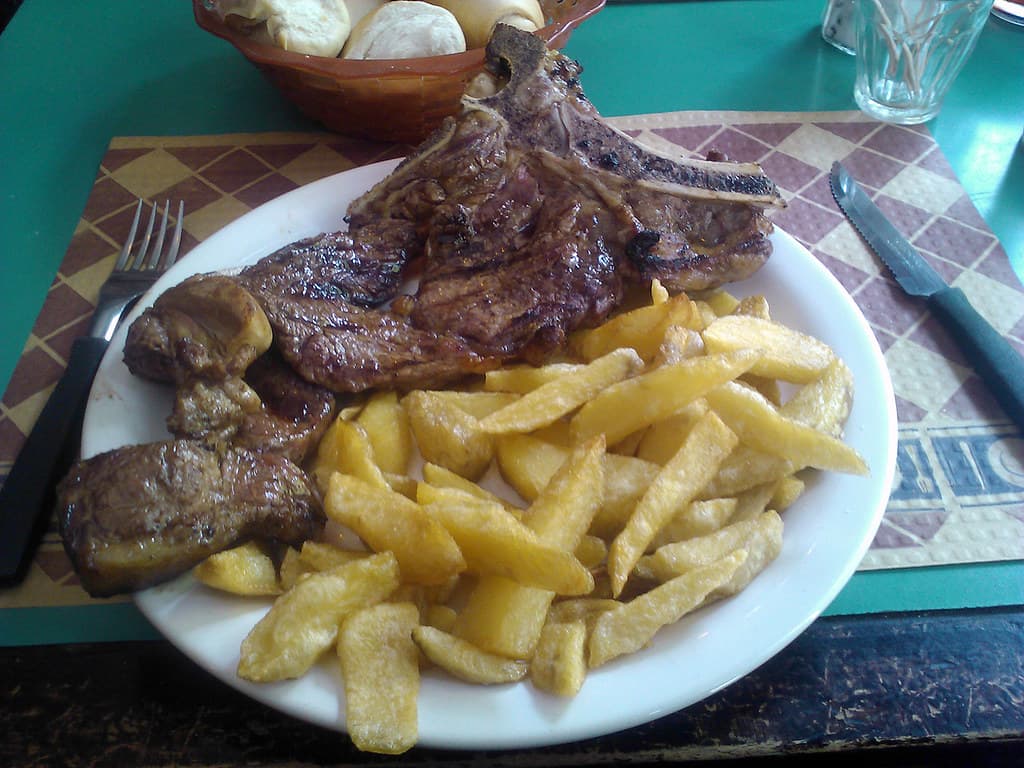
Buenos Aires rewards deliberate eating. The mistake is assuming one famous steakhouse will carry the whole food side of the trip. Parrilla matters, but so do pizza, empanadas, cafes, bakeries, ice cream, vermouth bars, bodegones, and the simple pleasure of eating later than your calendar app emotionally prepared for.
For a first trip, build the food plan this way:
- Book one parrilla you actually care about. If it is famous, reserve early and do not make it your arrival-night gamble. - Eat pizza at least once. Buenos Aires pizza is its own dense, cheesy, deeply unserious and very enjoyable category. - Use cafes for breakfast or afternoon breaks instead of treating every meal as a production. - Try empanadas as a practical snack, especially on transit-heavy days. - Plan one Palermo dinner, one Recoleta or San Telmo lunch, and one low-pressure neighborhood meal near your hotel. - Leave room for helado. Argentine ice cream is not a side quest; it is load-bearing infrastructure.
Dinner runs late. Many restaurants do not feel fully alive at 7 p.m., and popular places can book out. If you are traveling with children, jet lag, or a body that becomes legally difficult after 9 p.m., use lunch as your bigger meal and make dinner simpler.
Neighborhood matters. Palermo is easiest for modern restaurants and bars. Recoleta is good for classic cafes and polished meals. San Telmo has market energy, old bars, and atmosphere. Villa Crespo and Chacarita are useful if you want a less tourist-facing food night. Puerto Madero is easy but often less interesting for the money.
Safety and Practical Tips
Buenos Aires is manageable for first-time visitors, but it is still a large city. The U.S. State Department currently lists Argentina at a low advisory level overall, while its country information still advises avoiding villas or shanty towns and using normal caution around scams and crime. The useful translation is simple: pick a good base, keep your phone controlled, use transport wisely at night, and do not wander into places you do not understand.
The most relevant safety habits are practical:
- Keep your phone away from curbs, open cafe tables, and distracted street corners. - Use ride-hail or taxis late at night, especially after bars, tango, or dinner across town. - Visit La Boca during the day and stay around the tourist core unless you are with a knowledgeable local guide. - Be more cautious in quiet parts of San Telmo, Microcentro, and Retiro after dark. - Use ATMs inside banks, malls, or secure spaces. - Watch bags in cafes, markets, transit, and busy sidewalks. - Do not assume a cheap hotel is a good deal if every night requires transport correction.
Money and payment deserve a little attention. Argentina's exchange-rate situation has changed repeatedly in recent years, and tourists should check current card, cash, and ATM realities close to travel. Foreign cards may use a more favorable tourist rate than the official bank rate, but fees and acceptance vary. The practical rule is to carry more than one payment option and avoid making your whole trip dependent on a single ATM run.
A Simple 4-Day Buenos Aires Itinerary
A four-day Buenos Aires trip is enough for the first-timer core if you group days by area and stop trying to win the city like a scavenger hunt.
Day 1: Recoleta, Avenida Alvear, and an easy dinner
Start with Recoleta Cemetery, Plaza Francia, Avenida Alvear, and one nearby museum or cafe. This gives you classic Buenos Aires without forcing a complicated first day. If you have energy, continue toward El Ateneo Grand Splendid. Keep dinner in Recoleta or Palermo, depending on where you are staying.
Day 2: Historic center, San Telmo, and Puerto Madero
Begin around Plaza de Mayo, Casa Rosada, Avenida de Mayo, and Cafe Tortoni if you want the classic stop. Move south toward San Telmo for the market, Plaza Dorrego, old streets, and lunch. End with a walk through Puerto Madero if you want a cleaner, easier finish before heading back to your base.
Day 3: Palermo parks, Palermo Soho, and a proper dinner
Use the morning for the botanical garden, rose garden, or Bosques de Palermo. Shift into Palermo Soho or Hollywood for cafes, shops, bars, and dinner. This is the day to reserve a restaurant or parrilla. Do not schedule an early next morning like a hero. Buenos Aires nights have a way of making tomorrow's itinerary look very optimistic.
Day 4: La Boca, football context, and a flexible afternoon
Go to La Boca and Caminito in the daytime. Keep the visit focused, especially if you are not with a guide. If football matters, build the day around La Bombonera. Afterward, choose your afternoon based on energy: return to San Telmo, head to Puerto Madero, visit a museum, or take a slower Belgrano/Palermo food route.
With a fifth day, add Tigre Delta, a football match with a reputable arrangement, Belgrano and Barrio Chino, Chacarita/Villa Crespo food, or a deeper museum day. Do not add all of them. That is not a vacation; that is a spreadsheet wearing sunglasses.
Common First-Timer Mistakes
The first mistake is choosing a hotel by price alone. Buenos Aires is broad, and a cheap stay far from the neighborhoods you actually want can quietly tax every day with rides, delays, and lower evening confidence.
The second mistake is treating Palermo as one small neighborhood. It is huge. Check the exact pocket before booking. Being near restaurants, a major avenue, or useful transit matters more than the word Palermo in a listing.
The third mistake is visiting La Boca too casually. Caminito is worth seeing, but the visit should be daytime, focused, and planned. Do not wander well outside the tourist zone because the map says the next street looks interesting. Maps have no survival instinct.
The fourth mistake is eating too early or failing to reserve. If one restaurant matters, book it. If you hate late dinners, make lunch the main event and keep nights simple.
The fifth mistake is overloading the itinerary. Buenos Aires works through neighborhoods and time of day. Recoleta, Palermo, San Telmo, La Boca, Puerto Madero, Belgrano, and Tigre all have a place, but not all in one weekend unless your hobby is disappointment.
Bottom Line
Buenos Aires is a superb first-time city if you choose the right base and plan by neighborhoods rather than isolated attractions. Palermo is the easiest all-around base for food and nightlife. Recoleta is the best classic comfort choice. San Telmo is atmospheric but rougher around the edges. Puerto Madero is clean and convenient but less soulful.
Spend four days on Recoleta, the historic center and San Telmo, Palermo, and a focused La Boca visit. Use the Subte and buses when they make sense, but do not hesitate to use taxis or ride-hail at night. Eat deliberately, leave space in the schedule, and let Buenos Aires be what it is: a late, stylish, opinionated city that rewards travelers who stop trying to rush it.
Let Fare Window find the best fares for your next trip.
Track routes, watch price changes, and get smarter alerts before you book.
Start tracking faresKeep planning
Related travel guides
Explore more first-time destination guides while you compare routes, seasons, and trip shapes.