Cusco Travel Guide for First-Time Visitors
Plan a first Cusco trip with practical advice on where to stay, neighborhoods, altitude, getting around, food, things to do, safety, and a simple itinerary.
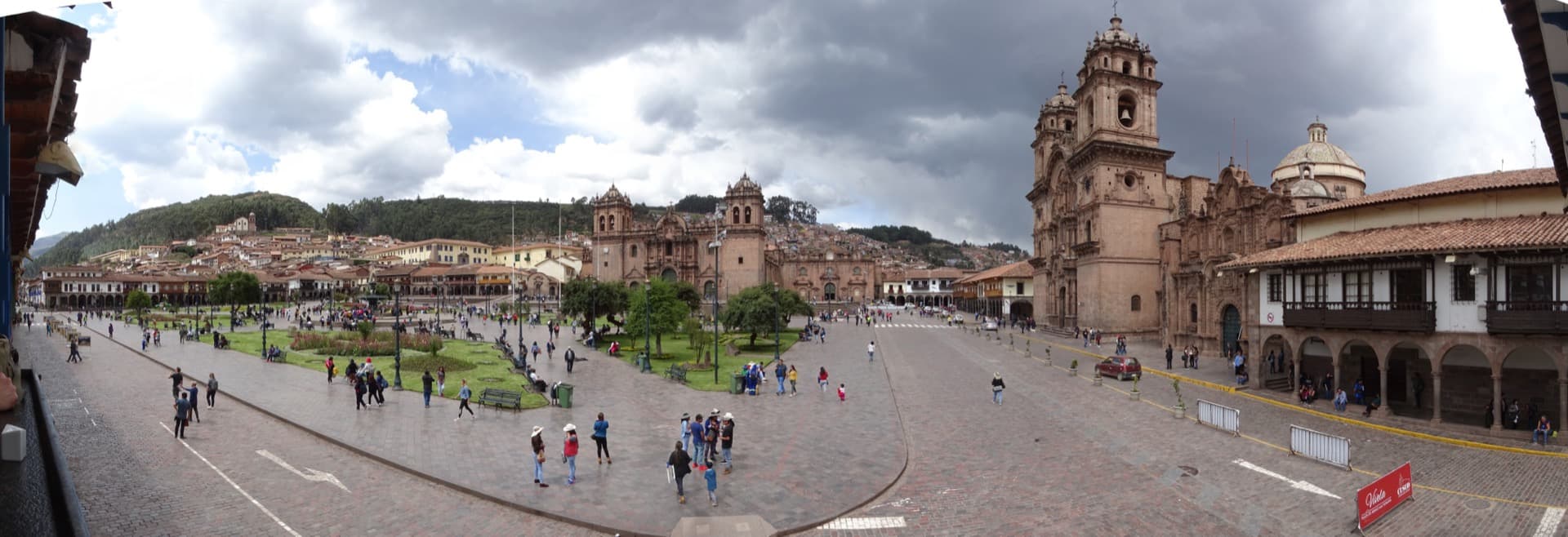
Cusco is the right first Peru base if you want Inca history, Andean food, walkable neighborhoods, and access to the Sacred Valley and Machu Picchu without sleeping in a different town every night. It is also one of those cities where first-time visitors can make the trip harder than it needs to be by choosing the wrong base, ignoring altitude, or treating every famous ruin as a same-day checklist item.
For most first-time visitors, the best area to stay is the historic center near Plaza de Armas, but not directly on the loudest blocks if sleep matters. San Blas is the better choice if you want cafes, galleries, views, and a more atmospheric hillside feel. The tradeoff is simple: San Blas is charming because it climbs. That charm is less adorable when you are dragging luggage uphill at 11 p.m. while discovering what 11,000 feet feels like.
The best Cusco plan gives the city itself a real day, uses the Sacred Valley as more than a transit corridor, and leaves space for altitude adjustment before Machu Picchu or big hiking. Cusco rewards travelers who slow down slightly. Try to conquer it immediately, and the city will remind you that oxygen is not a lifestyle accessory.
Quick Facts
- {'label': 'Best first-time base', 'value': 'Historic center for easiest access; San Blas for atmosphere and cafes'}
- {'label': 'Best trip length', 'value': '3 full days in Cusco itself; 5 to 6 days if adding Sacred Valley and Machu Picchu'}
- {'label': 'Altitude reality', 'value': 'Cusco sits around 3,400 meters / 11,150 feet, so plan an easier first day'}
- {'label': 'Best first day', 'value': 'Plaza de Armas, Cathedral area, Qorikancha, San Blas if energy allows, and early dinner'}
- {'label': 'Getting around', 'value': 'Walk central areas, use registered taxis or hotel-arranged rides for hills, stations, and ruins'}
- {'label': 'Food rhythm', 'value': 'Mix markets, picanterias, cafes, modern Andean restaurants, and practical early meals'}
- {'label': 'Main planning mistake', 'value': 'Booking a steep or noisy stay, then stacking ruins, markets, and late dinners on arrival day'}
Table of Contents
- 1.Who Cusco Is Best For
- 2.Where to Stay in Cusco
- 3.Best Areas and Neighborhoods for First-Timers
- 4.Getting Around Cusco Without Wasting Energy
- 5.What to Do First in Cusco
- 6.Food Strategy for a First Cusco Trip
- 7.Safety, Altitude, and Practical Tips
- 8.A Simple First-Time Cusco Itinerary
- 9.Common First-Timer Mistakes
- 10.Bottom Line
Quick Facts for Planning
| First-trip question | Practical answer | |---|---| | Best first-time base | Historic center for easiest access; San Blas for atmosphere and cafes | | Best trip length | 3 full days in Cusco itself; 5 to 6 days if adding Sacred Valley and Machu Picchu | | Altitude reality | Cusco sits around 3,400 meters / 11,150 feet, so plan an easier first day | | Best first day | Plaza de Armas, Cathedral area, Qorikancha, San Blas, and early dinner | | Getting around | Walk central areas, use registered taxis or hotel-arranged rides for hills, stations, and ruins | | Food strategy | Mix markets, picanterias, modern Andean restaurants, cafes, and early practical meals | | Biggest mistake | Booking a steep or noisy stay, then stacking ruins, markets, and late dinners on arrival day |
Table of Contents
1. [Who Cusco Is Best For](#who-cusco-is-best-for) 2. [Where to Stay in Cusco](#where-to-stay-in-cusco) 3. [Best Areas and Neighborhoods for First-Timers](#best-areas-and-neighborhoods-for-first-timers) 4. [Getting Around Cusco Without Wasting Energy](#getting-around-cusco-without-wasting-energy) 5. [What to Do First in Cusco](#what-to-do-first-in-cusco) 6. [Food Strategy for a First Cusco Trip](#food-strategy-for-a-first-cusco-trip) 7. [Safety, Altitude, and Practical Tips](#safety-altitude-and-practical-tips) 8. [A Simple First-Time Cusco Itinerary](#a-simple-first-time-cusco-itinerary) 9. [Common First-Timer Mistakes](#common-first-timer-mistakes) 10. [Bottom Line](#bottom-line)
Who Cusco Is Best For
Cusco is best for travelers who want history, texture, food, and access to big Andean experiences in one compact base. It suits first-time visitors who like walking, museums, markets, stone streets, views, and day trips that feel materially different from the city itself.
It is especially strong for travelers building a Peru trip around Machu Picchu, the Sacred Valley, Inca sites, local food, textiles, photography, and high-altitude scenery. Cusco is not just a staging area. The city has enough churches, courtyards, markets, ruins, cafes, and hillside streets to deserve time before and after the headline trip.
It is less ideal if you want a low-effort resort city, late-night comfort without terrain, or a place where every good hotel location is physically easy. Cusco is beautiful, but it is uneven, hilly, busy around the center, and high enough that your first 24 hours should be treated with respect.
Quick answer: Cusco is a great first-time Peru base if you plan around altitude, stay central, and avoid turning the city into a rushed pre-Machu Picchu errand.
Where to Stay in Cusco
The best place to stay in Cusco for most first-time visitors is the historic center within a short walk of Plaza de Armas, San Blas, Qorikancha, and reliable restaurants. That does not mean sleeping directly on Plaza de Armas. It means choosing a base close enough to walk easily, but far enough from the loudest nightlife and traffic pockets.
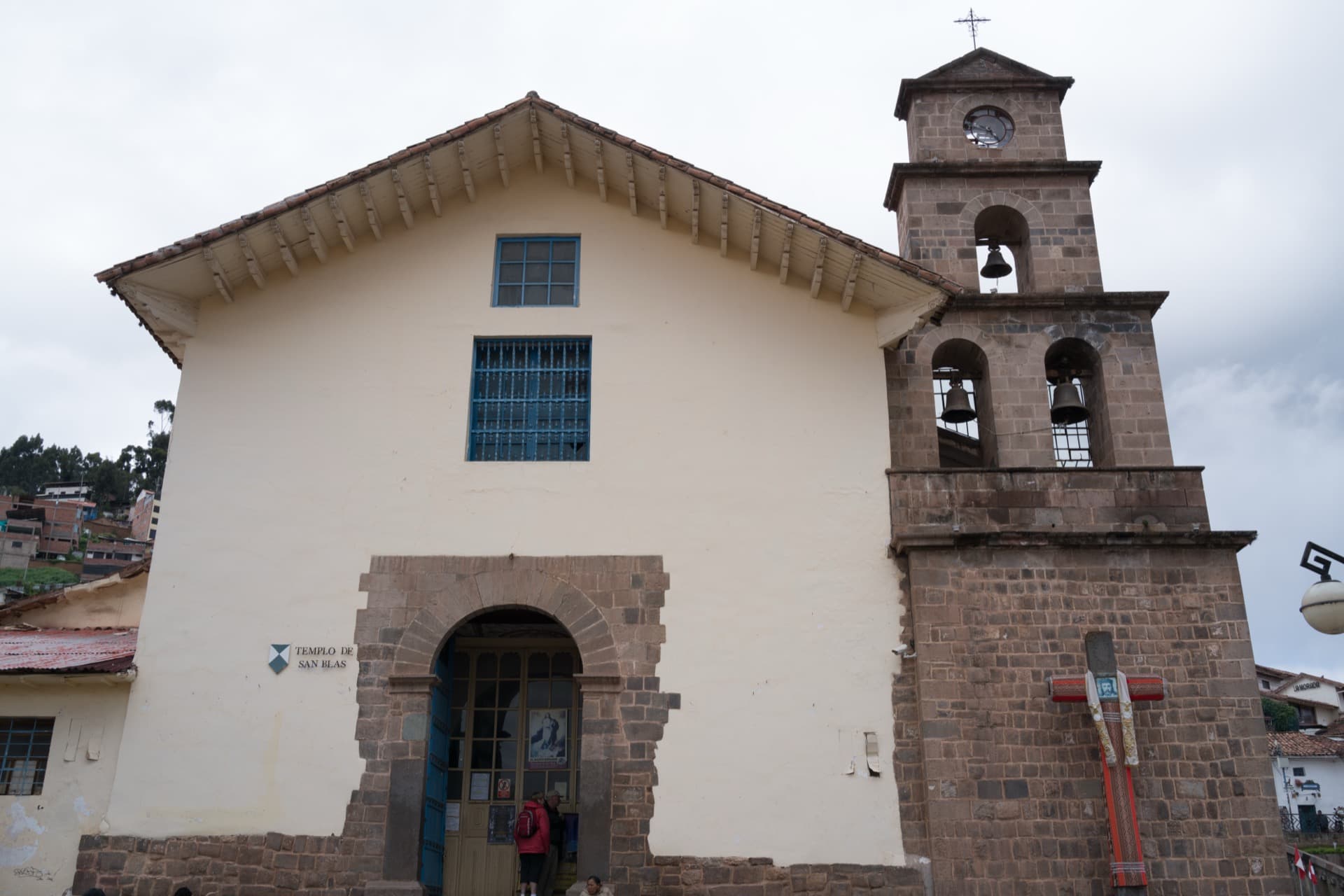
_San Blas is the atmospheric choice, but the uphill return is part of the deal. Book it because you want that tradeoff, not because the photos were pretty._
Historic Center
The historic center is the easiest first-time answer. You can walk to Plaza de Armas, the Cathedral, museums, Qorikancha, restaurants, tour offices, and pickup points without needing to solve transportation every day. If your Cusco stay is short, convenience matters more than being clever.
The tradeoff is noise and tourist density. Some streets around the plaza are lively late, and not every "central" room is quiet. Read hotel reviews for noise, stairs, heating, and oxygen/altitude support if you are worried about arrival fatigue. In Cusco, a charming old building can mean character, or it can mean you hear every suitcase wheel in the courtyard.
San Blas
San Blas is the best area if you want atmosphere, cafes, boutiques, galleries, views, and a slightly more local-feeling evening rhythm. It is still very visitor-friendly, but it feels less like you are sleeping inside the main tourist funnel.
The tradeoff is the hill. San Blas is not where I would put someone arriving late with heavy luggage, limited mobility, or serious altitude anxiety. It is excellent once you know you can handle the climb, and mildly cruel if you pretend the climb is a rumor.
Near Qorikancha and Avenida El Sol
The area around Qorikancha and Avenida El Sol is practical for travelers who want easier road access, banks, tour pickups, and flatter movement than the steepest old lanes. It can feel less romantic than San Blas, but it is useful, especially if you have early transfers or a tight itinerary.
San Pedro
San Pedro works for travelers who want market access, value, and a more everyday Cusco feel. It is not the cleanest first-timer default, and the area can feel rougher at night than the polished hotel streets near the center. Use it if you are comfortable in busy market districts and know what kind of stay you are choosing.
Best Areas and Neighborhoods for First-Timers
Cusco is compact, but the areas feel different enough that your base changes the trip. The best first-time neighborhoods are not about hidden gems. They are about matching the physical reality of the city to your energy, altitude tolerance, and evening habits.
The Plaza de Armas area is best for first-time orientation. This is where you get the postcard Cusco view, easy access to the Cathedral and Iglesia de la Compania, restaurants, cafes, tour offices, and the central rhythm of the city. Use it as your compass, even if you choose not to sleep directly beside it.
San Blas is best for atmosphere. It gives you blue doors, white walls, narrow lanes, small galleries, views, and cafe stops. It is the area most likely to seduce first-time visitors into extending their stay. The sensible version is to stay on a manageable lane and accept the climbs. The foolish version is booking the highest romantic apartment with luggage and no plan for arrival.
San Pedro is best for market life and food curiosity. The market is worth visiting, but treat the area with a bit more city awareness, especially around bags and nighttime walking. It is a daytime asset more than a universal hotel recommendation.
The Sacsayhuaman side above the city is best for ruins and views, not for most first-time sleeping bases. It is excellent as a half-day route, especially once you have acclimatized. It is less excellent if every dinner requires a taxi back uphill.
Getting Around Cusco Without Wasting Energy
The best way to move around central Cusco is on foot, with taxis or arranged transfers used strategically for hills, stations, airport runs, late nights, and ruins outside the tight historic core. Do not plan Cusco like a flat European old town. The distances can look modest while the altitude quietly invoices you.
Inside the historic center, walking is usually the best option. Plaza de Armas, Qorikancha, San Blas, San Pedro Market, museums, and many restaurants sit close enough that a taxi can be more hassle than help. But walking should be grouped. Do San Blas when you already want to be uphill. Visit San Pedro as part of a west-side market and food block. Avoid ping-ponging across the center just because the map makes it look cute.
Use registered taxis, hotel-arranged taxis, or trusted ride options for late arrivals, bus and train connections, and routes to higher ruins. If you are heading to Poroy, Ollantaytambo, the airport, or a Sacred Valley pickup, arrange the ride rather than haggling in a tired fog with your backpack halfway zipped.
For day trips, the transport choice depends on how much friction you can tolerate. Shared tours are easy for ruins, Maras, Moray, and Sacred Valley overviews. Private drivers cost more but buy flexibility, which matters if you want to avoid rushed stops or combine Pisac, Ollantaytambo, and viewpoints at your pace. Public colectivos are useful for confident travelers, but they are not the first thing I would recommend to someone still figuring out altitude and luggage.
Quick answer: Walk the center, arrange transport for stations and hills, and group your days by area so Cusco does not become a scenic cardio exam.
What to Do First in Cusco
The smartest first Cusco day is gentle: Plaza de Armas, the Cathedral area, Qorikancha, San Blas if you feel good, and an early dinner. Save the ambitious ruin circuit, Sacred Valley day, Rainbow Mountain, and Machu Picchu logistics for after you know how your body handles the altitude.
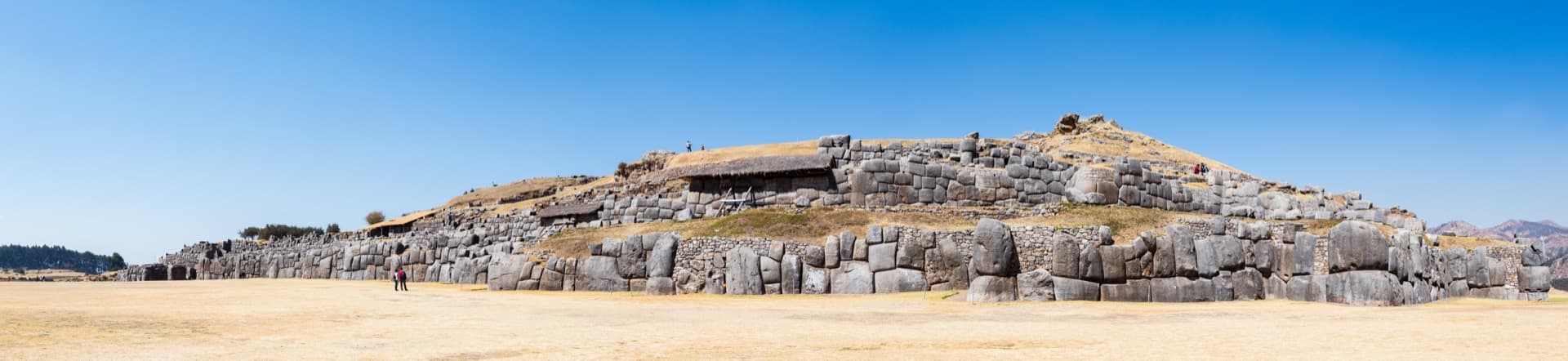
_Sacsayhuaman is close to the city, but it still works better after you have had a little time to adjust rather than as an arrival-day flex._
Start with Plaza de Armas because it gives you the city in one frame: churches, balconies, hills, tour groups, locals crossing the square, and the old Inca capital under a Spanish colonial skin. From there, Qorikancha is the best first major site because it makes the Inca-Spanish layering obvious without requiring a long transfer.
San Blas is the next logical move if your energy is good. Go for the streets, small shops, viewpoints, and cafes rather than treating it like a landmark hunt. If you are lightheaded, skip the hill and call that wisdom, not failure.
Sacsayhuaman, Qenqo, Tambomachay, and Puka Pukara are better on day two or later. They are close, but they involve altitude, exposure, walking, and logistics. Sacsayhuaman is the must-do of that group for most first-time visitors because the scale and view explain Cusco better than another museum label can.
Beyond Cusco, prioritize the Sacred Valley before or after Machu Picchu if time allows. Pisac is strong for ruins and market context. Ollantaytambo is excellent because the town itself still has a powerful stone-grid feel, not just a ruin above it. Maras and Moray are worthwhile if you want landscape and agricultural history, but they fit better as a planned valley day than as random filler.
Machu Picchu needs its own logistics. Tickets, circuits, trains, buses, and entry windows change enough that you should book through official channels or a reputable operator and confirm details close to travel. The practical first-timer move is to avoid making Machu Picchu your first morning after landing in Cusco. Give yourself buffer. Ancient citadels are better when you are not faintly negotiating with your own lungs.
Food Strategy for a First Cusco Trip
Cusco food works best when you mix market eating, practical cafes, traditional Andean flavors, and one or two modern Peruvian meals. The mistake is either eating only tourist-restaurant versions of everything near the plaza or treating the market as a stunt instead of a useful part of the day.
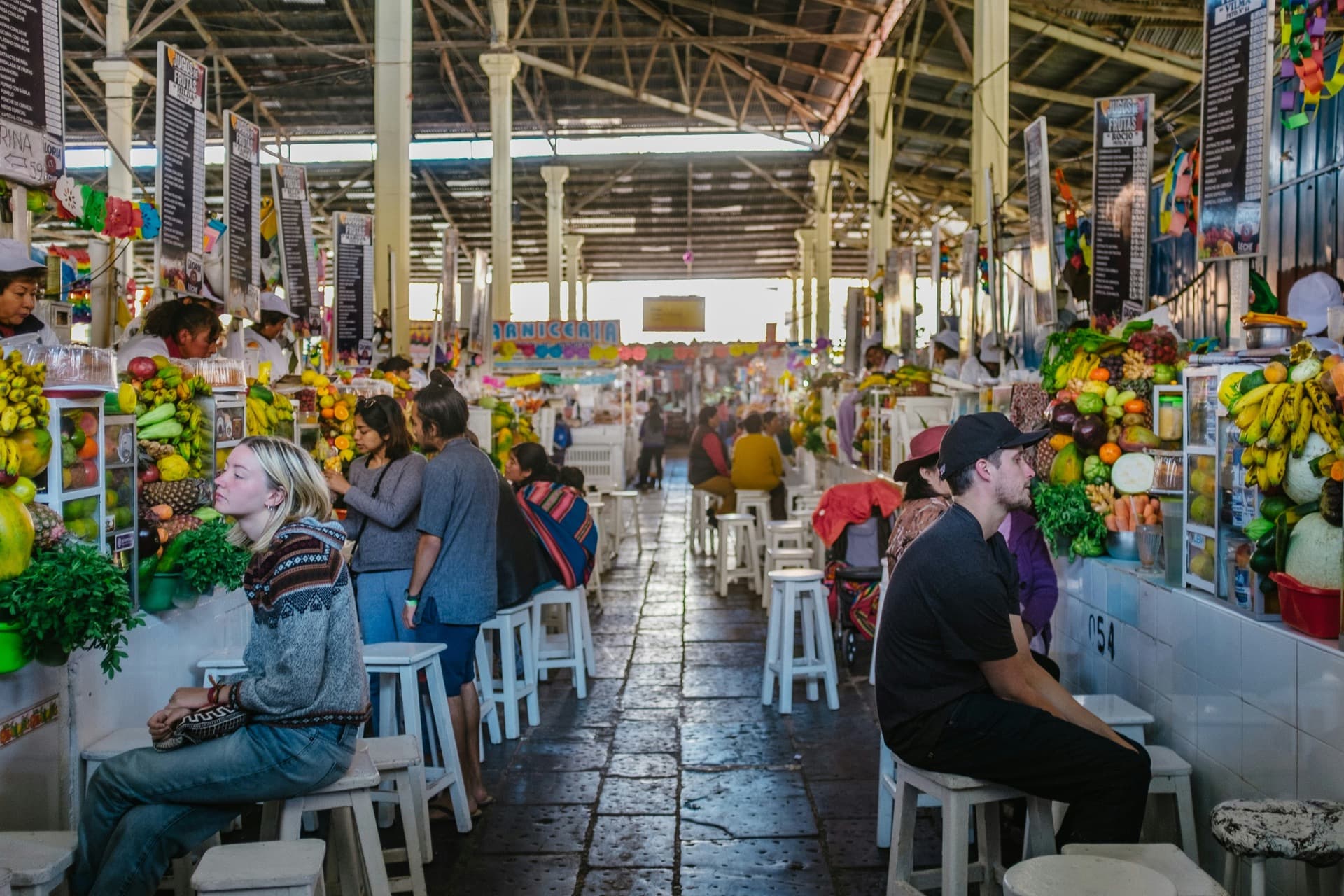
_San Pedro Market is useful when you treat it as a daytime food-and-context stop, not as a place to perform bravery with your digestive system._
For a first trip, use San Pedro Market in daylight for fruit, juices, soups, simple meals, and visual context. Be selective. A busy stall with turnover is your friend. A mystery plate that has been quietly waiting for its destiny is not.
Near the historic center and San Blas, mix modern Andean restaurants with easier meals. Cusco has plenty of places doing alpaca, trout, quinoa, corn, potatoes, ají sauces, coca tea, chocolate, coffee, and pisco without making the meal feel like a museum demonstration. If one restaurant matters, reserve it. If your first day is an altitude day, keep dinner simple and early.
Good food planning in Cusco looks like this:
- Use cafes for slow breakfasts, coca tea, and recovery time. - Visit San Pedro Market during the day, preferably before you are starving. - Book one stronger modern Peruvian or Andean dinner after you have acclimatized. - Try local ingredients, but do not turn every meal into a challenge. - Keep snacks and water handy on ruin and valley days.
Cusco is also a good place to be honest about your body. Heavy meals, alcohol, and altitude can team up like they have a grudge. If you want pisco sours, great. Maybe do not make them the centerpiece of night one unless your vacation brand is "learning through consequences."
Safety, Altitude, and Practical Tips
The most important practical tip for Cusco is to respect altitude before you optimize anything else. Cusco sits around 3,400 meters / 11,150 feet, which is high enough to affect travelers who are fit, young, smug, or all three. Plan an easy arrival day, hydrate, eat lightly at first, and avoid scheduling a major hike immediately.
Altitude symptoms can include headache, nausea, poor sleep, fatigue, and shortness of breath. Most visitors adjust with rest and sensible pacing, but serious symptoms are not something to tough out. If you feel unusually bad, ask your hotel or a medical professional for help. This is not the arena for proving character. The mountain does not care about your gym membership.
Safety-wise, Cusco is manageable, but it is a busy tourist city. Use normal travel habits: keep your phone controlled, watch bags in markets and crowded streets, avoid isolated late-night wandering, and use trusted taxis rather than random guesswork when tired. Around San Pedro, bus terminals, train connections, and nightlife streets, be a little more alert without becoming dramatic about it.
Pack for temperature swings. Cusco can feel warm in the sun and cold after dark. Layers matter more than one perfect outfit. Good shoes matter even more. Cobblestones, stairs, rain, and ruins do not reward flimsy soles.
Money and logistics are straightforward if you do not leave them until the last second. Carry a little cash for markets, tips, bathrooms, small shops, and taxis. Use ATMs in safer indoor locations. Confirm train, bus, and Machu Picchu timing before your travel day. For popular routes and dates, book early enough that you are choosing good options rather than accepting leftovers.
Quick answer: The best Cusco safety plan is central lodging, easy first-day pacing, trusted transport at night, indoor ATMs, and enough altitude humility to rearrange plans if needed.
A Simple First-Time Cusco Itinerary
A good first-time Cusco itinerary gives you one soft landing day, one city-and-ruins day, one Sacred Valley day, and a clean Machu Picchu plan if that is part of the trip. Trying to compress everything into two heroic days is how travelers end up seeing Peru mostly through van windows and mild regret.
Day 1: Historic center, Qorikancha, and San Blas if you feel good
Arrive, check in, drink water, and keep the plan deliberately light. Walk Plaza de Armas, visit Qorikancha, eat an easy lunch, and only climb into San Blas if your body is cooperating. Have an early dinner and sleep. This day is not underachieving. It is paying the altitude tax before it charges interest.
Day 2: Sacsayhuaman and the upper ruins
Use the morning for Sacsayhuaman and, if you want the fuller circuit, Qenqo, Tambomachay, and Puka Pukara. Go with a guide if you care about context; otherwise the stones become impressive but under-explained. Spend the afternoon back in Cusco with a market, museum, cafe, or slow San Blas wander.
Day 3: Sacred Valley
Choose Pisac and Ollantaytambo if you want the strongest first-time valley pair. Pisac gives you ruins, views, and market energy. Ollantaytambo gives you a living town with Inca structure still visible in the streets. If you are taking the train toward Machu Picchu from Ollantaytambo, this day can become a practical bridge rather than a round-trip sprint.
Day 4: Machu Picchu or a slower Cusco day
If Machu Picchu is the goal, treat it as a separate logistics day with confirmed tickets, train timing, bus timing, passport details, and realistic energy. If Machu Picchu is not on this leg, use day four for a calmer Cusco day: museums, San Pedro, a cooking class, chocolate or coffee, and one better dinner.
Day 5 or 6: Add buffer, Maras and Moray, or recovery
Extra time makes Cusco much better. Add Maras and Moray, a second Sacred Valley day, a food-focused city day, or simply a buffer in case weather, altitude, or transport timing gets weird. Buffer days are not glamorous, but neither is missing a train because your itinerary was assembled by a caffeinated spreadsheet.
Common First-Timer Mistakes
The first mistake is treating Cusco only as the airport for Machu Picchu. The city deserves time, and using it only as a transfer point makes the whole trip feel more frantic than it needs to be.
The second mistake is ignoring altitude. Do not schedule Rainbow Mountain, a long ruin day, or a dawn train sprint right after arrival if you can avoid it. Even if you feel fine at first, fatigue can catch up.
The third mistake is booking for charm without checking terrain. A beautiful San Blas stay can be perfect. A steep, hard-to-access, noisy, cold, or oxygen-light room can turn into a daily nuisance. In Cusco, hotel reviews are logistics research, not bedtime reading.
The fourth mistake is overpacking the Sacred Valley. Pisac, Ollantaytambo, Maras, Moray, Chinchero, viewpoints, markets, and train transfers can technically fit into aggressive plans. That does not mean they should. Pick the route that helps you understand the valley, not the one that collects the most names.
The fifth mistake is being careless around markets, nightlife, and transport hubs. Cusco is used to visitors, which is exactly why visitors should keep wallets, phones, and bags under control. You do not need paranoia. You need ordinary city discipline.
Bottom Line
Cusco is one of South America's most rewarding first-time travel bases if you give it enough time and stop pretending altitude is a footnote. Stay in the historic center for convenience or San Blas for atmosphere, use taxis and arranged transfers when the hills or timing call for it, and build the trip around sensible blocks: city, ruins, Sacred Valley, and Machu Picchu logistics.
The strongest first Cusco trip is not the one with the most pins on a map. It is the one where you arrive gently, understand the city, eat well, choose a base that matches your body, and leave enough space for the Andes to feel impressive instead of exhausting.
Let Fare Window find the best fares for your next trip.
Track routes, watch price changes, and get smarter alerts before you book.
Start tracking faresKeep planning
Related travel guides
Explore more first-time destination guides while you compare routes, seasons, and trip shapes.