Prague Travel Guide for First-Time Visitors
Plan your first Prague trip with practical advice on where to stay, getting around, food, things to do, safety, timing, and a simple itinerary.
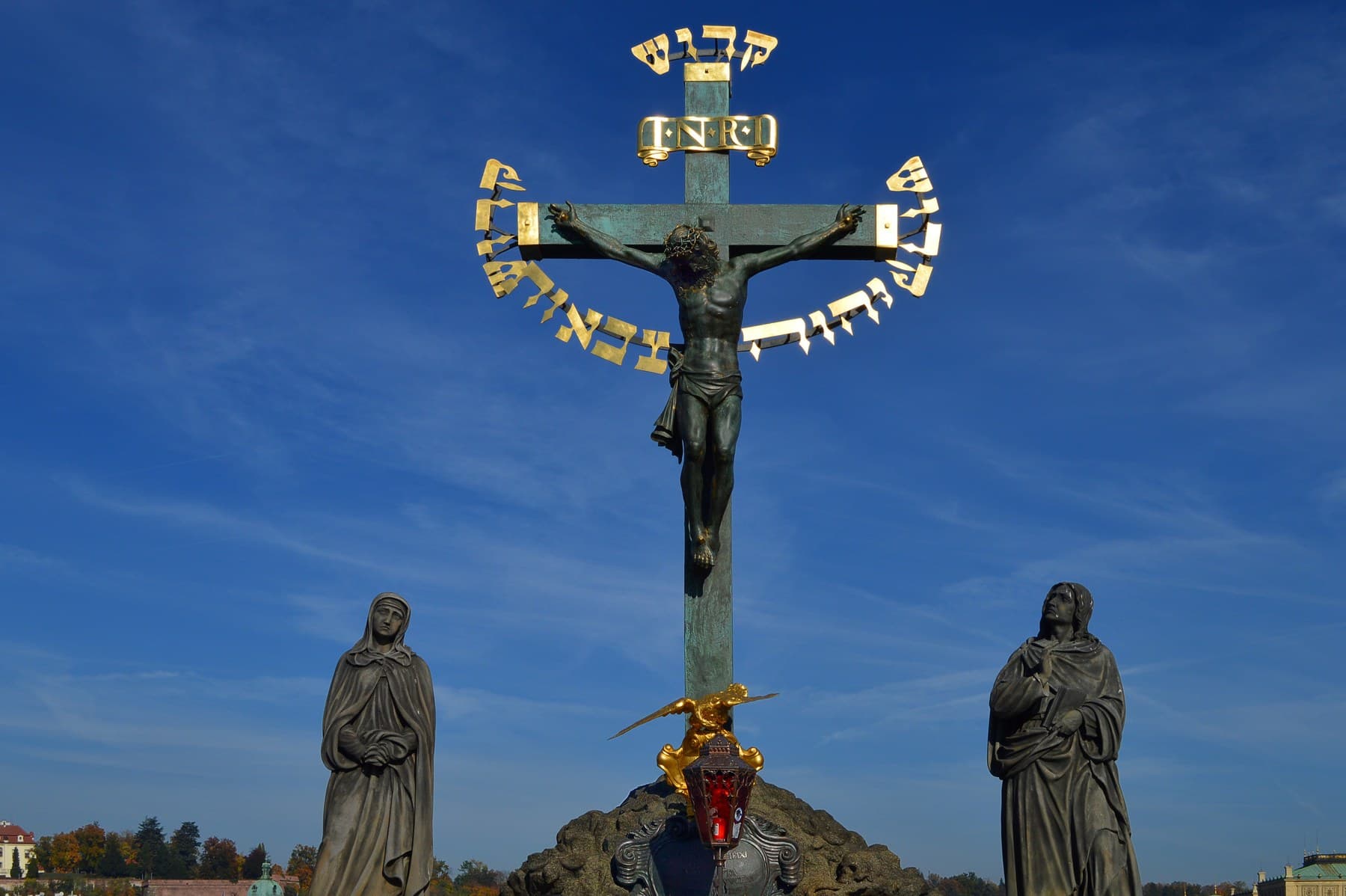
Prague is one of Europe’s easiest wins for a first trip: beautiful, walkable, atmospheric, and still practical enough that you do not need to turn the whole holiday into a logistics seminar. The best first Prague trip is 3 to 4 days focused on the historic core, a smart hotel base, tram-and-metro movement, Czech food without falling into tourist-trap soup, and enough slack to enjoy the city after the day-trip crowds thin out.
The main mistake is treating Prague like one giant medieval postcard. Old Town Square, Charles Bridge, and Prague Castle matter, but they are also where the city is most crowded, most expensive, and most likely to feed you a sad plate of “traditional” food designed by a laminated menu. Prague gets better when you understand its neighbourhoods, use public transport confidently, and split your sightseeing by geography instead of marching back and forth over cobblestones like a doomed chess piece.
**Quick answer:** First-time visitors should usually stay in Old Town for pure convenience, Malá Strana for beauty and a quieter historic feel, Nové Město for value and transport, Vinohrady for food and local evenings, or Karlín if they want a modern base with good restaurants. Plan 3 full days, use trams and the metro, book Castle/old-town sights early or late, and build meals around neighbourhoods rather than restaurants sitting directly on the main squares.
Quick Facts
Table of Contents
- 1.Is Prague worth visiting for first-time travelers?
- 2.Best time to visit Prague
- 3.Where to stay in Prague
- 4.Getting around Prague without wasting time
- 5.Food and drink: how to eat well without tourist-trap roulette
- 6.Best things to do on a first visit
- 7.A simple 3-day Prague itinerary
- 8.Safety, money, and practical mistakes to avoid
- 9.How to time your Prague trip for better value
Quick facts for first-time visitors
- **Best for:** romantic city breaks, architecture, walkable sightseeing, beer, history, classical music, Christmas markets, affordable-ish Europe compared with Paris or London - **Less ideal for:** nightlife-only trips, hot-weather travel, wheelchair-easy cobblestone wandering, travelers who hate crowds around famous sights - **Best trip length:** 3 full days for the classic first visit; 4 days if you want a slower pace or a day trip - **Best areas to stay:** Old Town, Malá Strana, Nové Město, Vinohrady, Karlín, with Holešovice better for repeat visitors or design/arts travellers - **Getting around:** walk inside the historic core, use trams for scenic cross-town trips, metro for longer hops, and public transport from the airport unless luggage or late arrival makes a taxi easier - **Best time to visit:** May, June, September, and early October for the best balance of weather and crowds; December for markets if you accept cold and higher festive pricing - **Food reality:** good Czech food exists, but the worst meals are usually closest to the most obvious squares - **First-timer mistake:** booking “central” without checking whether that means charming side street or stag-party corridor with suitcase wheels as the evening soundtrack
Table of contents
1. Is Prague worth visiting for first-time travelers? 2. Best time to visit Prague 3. Where to stay in Prague 4. Getting around Prague without wasting time 5. Food and drink: how to eat well without tourist-trap roulette 6. Best things to do on a first visit 7. A simple 3-day Prague itinerary 8. Safety, money, and practical mistakes to avoid 9. How to time your Prague trip for better value
Is Prague worth visiting for first-time travelers?
Yes — Prague is absolutely worth visiting for first-time travelers who want a high-impact European city without needing a huge itinerary budget or complicated transport plan. The city gives you Gothic towers, castle views, river walks, old pubs, Art Nouveau details, excellent trams, and enough compact sightseeing to make a short trip feel full.
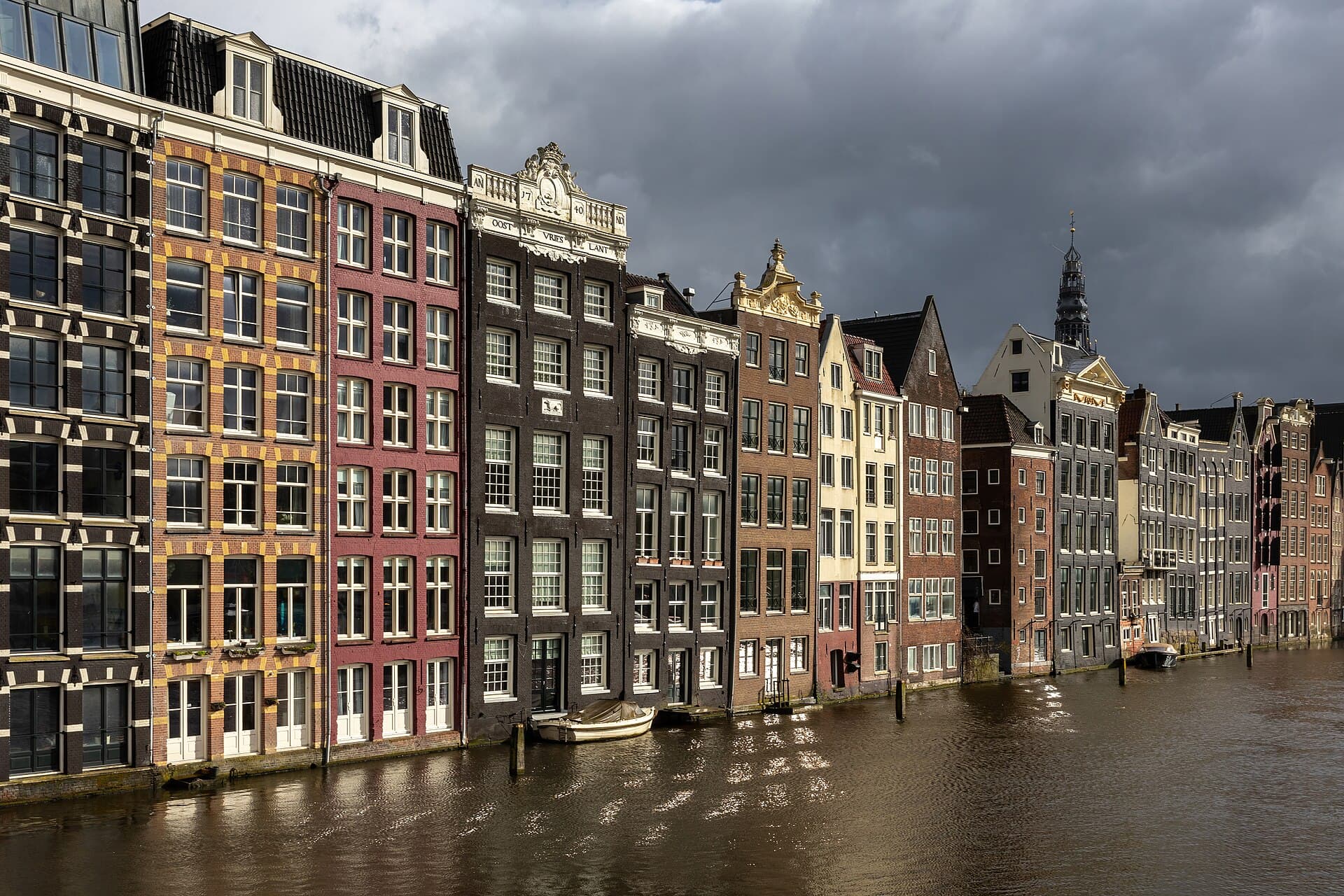
Prague is especially good if you like atmosphere. It looks theatrical because, frankly, it is. The Old Town lanes, Charles Bridge towers, Prague Castle, Malá Strana courtyards, and Vltava viewpoints all deliver the version of Europe many people have in their head before they ever book a flight.
The tradeoff is popularity. Prague is not “undiscovered,” and pretending otherwise is how people end up annoyed. The historic core can be crowded, restaurants around major sights can be lazy, and nightlife tourism can make certain blocks feel like Europe’s bachelor-party storage unit. The solution is not skipping Prague. The solution is timing your days properly and choosing your base carefully.
> **Quick answer block:** Prague is best for first-time visitors who want historic beauty, walkable sightseeing, good public transport, beer culture, and a classic Central European city break. It is weaker for travelers who want quiet streets at midday, beach weather, or a trip built entirely around modern nightlife.
Best time to visit Prague
The best time to visit Prague for most first-time travelers is May, June, September, or early October. These months usually give you comfortable walking weather, longer daylight than winter, and a better balance between atmosphere and crowd control.
July and August are lively but crowded. Hotel prices can climb, popular lanes get tight, and midday sightseeing in Old Town can feel less like “romantic Europe” and more like being slowly digested by a tour group. If summer is your only window, start early, book central sights ahead, and retreat to Vinohrady, Karlín, Letná, or riverside walks when the core gets silly.
December is special if you want Christmas markets, lit streets, mulled wine, and cold-weather atmosphere. It is not automatically cheap, though. Advent weekends can be busy and expensive, especially around Old Town Square and Wenceslas Square. January and February are quieter and better value, but daylight is short and Prague can feel grey if you were imagining golden rooftops and outdoor beer gardens.
Spring and fall are the sweet spots. You get enough city life without peak-season pressure, and walking-heavy days are much easier. Prague is a city where timing matters because so much of the trip happens outside: bridges, courtyards, hills, tram stops, riverbanks, and streets that reward wandering.
Where to stay in Prague
The best area to stay in Prague depends on whether you want maximum sightseeing convenience, romantic atmosphere, better value, food-focused evenings, or a calmer local base. First-timers should not choose only by distance to Old Town Square. That is how maps trick people. Maps are basically hotel marketing with fewer adjectives.
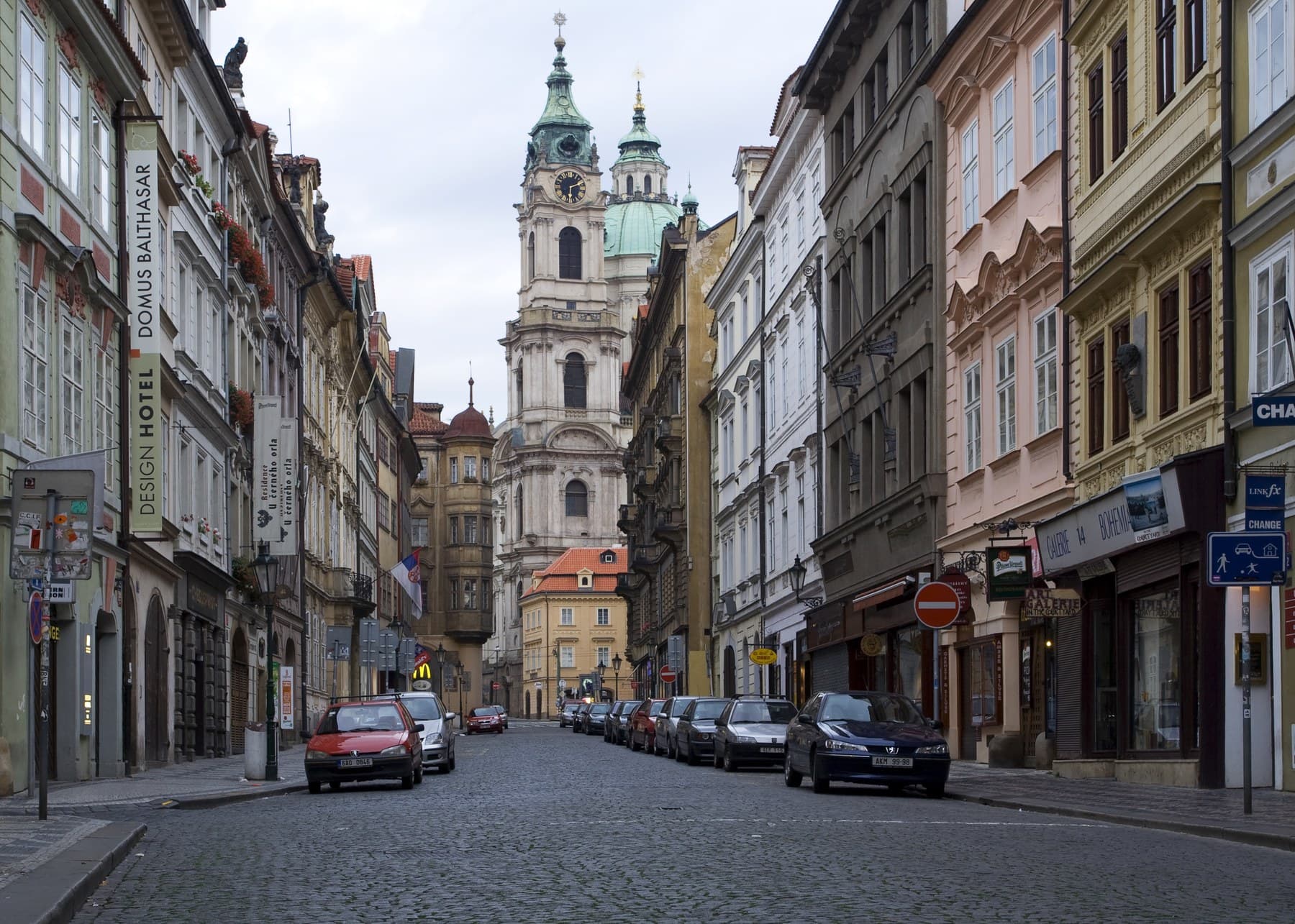
Old Town / Staré Město
Old Town is the easiest base for pure first-time sightseeing. You can walk to Old Town Square, the Astronomical Clock, Charles Bridge, the Jewish Quarter, and many classic sights. If you have only two nights, this convenience can matter.
The downside is obvious: crowds, higher prices, weaker restaurant value, and some streets that feel more visitor-facing than lived-in. Stay here if convenience beats everything. Choose a quieter side street if sleep matters.
Malá Strana
Malá Strana is the best romantic historic base for many first-time visitors. It sits below Prague Castle on the west side of the river, with Baroque streets, gardens, embassies, tram access, and easier early access to the Castle and Charles Bridge.
The tradeoff is that some routes involve hills, and evening options are calmer than Old Town or Vinohrady. That is a feature if you want beauty and sleep. It is a bug if you want late-night energy outside the door.
Nové Město / New Town
Nové Město is the practical value play. Around Národní třída, Můstek, Muzeum, or I. P. Pavlova, you get strong metro/tram access, plenty of hotels, and easier movement without paying Old Town premiums.
The area is mixed. Some blocks are elegant and useful; others are busy, commercial, or nightlife-heavy. It works best for travelers who want function over fairy tale.
Vinohrady
Vinohrady is the best base if food, cafés, wine bars, and a more residential feel matter. You are still close by tram or metro, but evenings feel less tourist-shaped. This is where I would look if you want Prague to feel like a city people live in, not just a museum with beer taps.
The tradeoff is slightly less instant access to the classic sights. For a 3- or 4-day trip, that is usually fine.
Karlín
Karlín is modern, polished, and good for restaurants, cafés, and value compared with the deepest centre. Metro line B gets you into the core quickly, and the neighbourhood works well for travelers who like a cleaner, newer base.
It is not the storybook version of Prague. Stay here because you want convenience and food, not because you want medieval atmosphere at breakfast.
Holešovice and Letná
Holešovice and Letná are better for repeat visitors, design/arts travelers, or people who want parks, galleries, beer gardens, and local texture. They can work on a first trip, but only if you are comfortable using trams and not being surrounded by obvious landmarks.
> **Quick answer block:** Stay in Old Town for convenience, Malá Strana for beauty, Nové Město for transport and value, Vinohrady for food and local evenings, and Karlín for a modern base with strong restaurants.
Getting around Prague without wasting time
Prague is easy to navigate if you stop trying to walk absolutely everywhere. Walk the historic core, then use trams and the metro for anything that would turn a scenic day into a cobblestone punishment ritual.
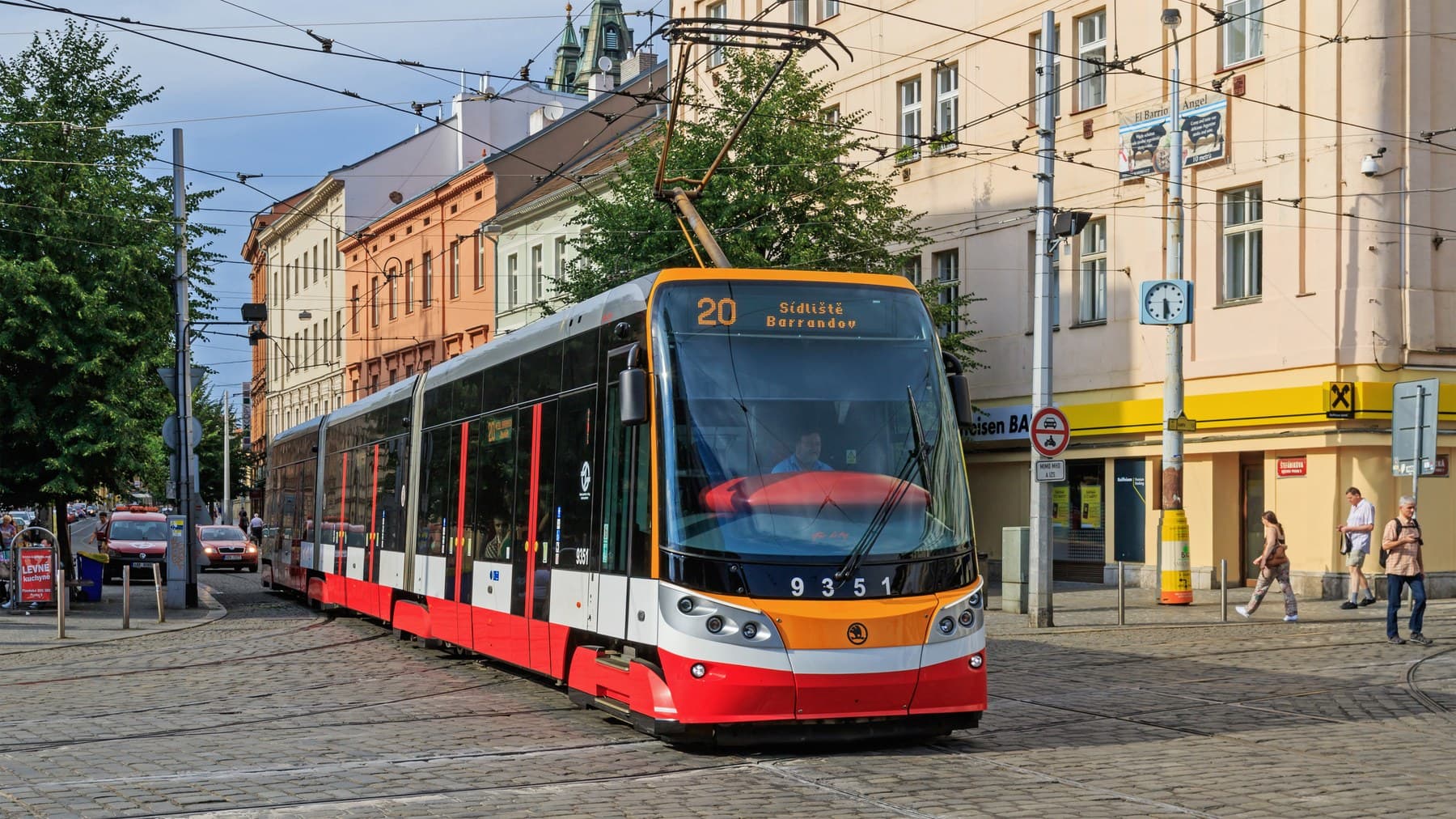
The **metro** is fast, simple, and useful for longer hops. Lines A, B, and C cover most first-visitor needs. It is less scenic than the tram, but it saves time when you are moving between your hotel, rail stations, and outer neighbourhoods.
The **tram system** is one of Prague’s best travel tools. Trams are useful and atmospheric, especially around Malá Strana, Letná, Vinohrady, and the river. Tram 22 is famous because it climbs toward Prague Castle, but do not treat it like a secret. Everyone with a guidebook discovered it sometime around the invention of paper.
For airport arrivals, the standard public transport move is **bus 59 to Nádraží Veleslavín**, then metro line A into the city. Bus 100 to Zličín can also work for some west-side or line B trips. If you arrive late, have heavy bags, or are staying somewhere awkward, a taxi or app ride can be worth the sanity premium.
Prague Integrated Transport sells time-based tickets; common visitor tickets include short rides, 90-minute tickets, and 24- or 72-hour passes. Buy through machines, contactless options where available, or the PID Lítačka app, and validate paper tickets correctly before your first ride. Fare inspectors are real, and “I looked confused in English” is not a transit product.
Walking is still central to the trip. Just respect the surfaces: cobblestones, hills near the Castle, stairs, winter slickness, and distances that look harmless until your feet start negotiating with management.
Food and drink: how to eat well without tourist-trap roulette
The best Prague food strategy is simple: eat Czech classics, drink beer where the room feels local or at least sincere, and avoid restaurants whose main sales pitch is a photo menu in six languages beside the Astronomical Clock.
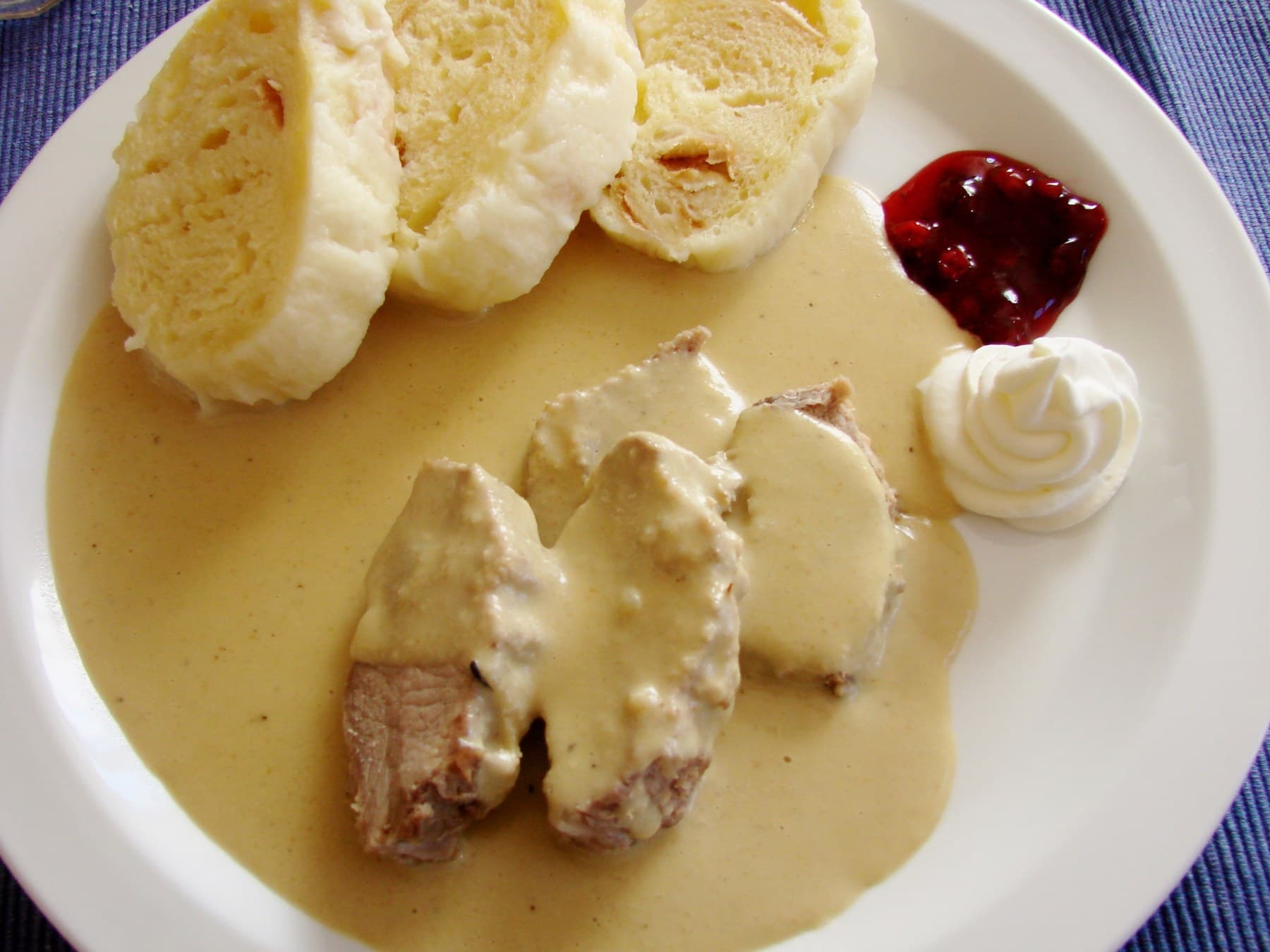
Start with classic dishes: **svíčková** with dumplings and cream sauce, **beef goulash**, **roast pork with cabbage**, **schnitzel**, **kulajda** soup, **pickled cheese**, and proper Czech lager. This is not delicate spa cuisine. It is built for weather, beer, and people who have accepted butter as a structural material.
Beer matters in Prague, but not every beer experience needs to become a pilgrimage. A good pub in Vinohrady, Karlín, Žižkov, or near Letná often beats a central tourist hall with medieval font energy. If you want famous names, go early or off-peak. If you want a better evening, build dinner around a neighbourhood rather than one viral restaurant.
Cafés and bakeries also deserve time. Prague has strong café culture, from old grand cafés to modern espresso spots. Use cafés as recovery stops between sightseeing clusters. This is especially useful in winter, when “one more church exterior” becomes a cry for help.
For budget and quality, move away from the main squares. You do not need to go far. Even a 10- or 15-minute walk toward Vinohrady, Karlín, Letná, or quieter New Town blocks can change the meal from “tourist tax with dumplings” to something you would actually recommend.
> **Quick answer block:** Eat Czech classics at pubs away from the busiest squares, use Vinohrady/Karlín/Letná for better everyday meals, and treat beer as part of Prague’s culture rather than a checklist of famous halls.
Best things to do on a first visit
The best first Prague itinerary combines a few famous landmarks with neighbourhood wandering, river views, and one or two cultural anchors. Do the classics, but do not let the classics bully the whole trip.
**Prague Castle** is essential, but it is a district more than one sight. Go early or later in the day, and give yourself time for St. Vitus Cathedral, courtyards, viewpoints, and the walk down through Malá Strana. If you rush it, you mostly experience queues and stone.
**Charles Bridge** is worth seeing at sunrise or early morning. At midday it can become a slow-moving selfie conveyor belt. Cross it once when it is quiet, then use other bridges when you are simply trying to get somewhere.
**Old Town Square and the Astronomical Clock** are classic first-timer stops. See them, but do not spend half the trip orbiting them. The square is a stage set; the city is bigger and better than the stage.
**The Jewish Quarter** is one of Prague’s most important areas, especially if you care about history more than photo stops. Give it proper time instead of squeezing it between lunch and a souvenir shop.
**Petřín Hill, Letná Park, and river viewpoints** help you understand Prague’s shape. Petřín is better when you want a softer walk and city views; Letná is better for beer garden energy and a broad view over the bridges.
**Vyšehrad** is a good second-layer sight if you have extra time. It gives ramparts, views, and a calmer historic feel without the same Old Town pressure.
For culture, consider a classical concert, the National Theatre, a museum, or one serious guided walk. Prague has enough history that a good guide can add value. A bad ghost tour, on the other hand, is just theatre with comfortable shoes.
A simple 3-day Prague itinerary
A good 3-day Prague itinerary should group sights by geography. Prague looks compact, but crossing the river repeatedly wastes energy and turns pretty streets into a commute.
Day 1: Old Town, Jewish Quarter, and the river
Start early in Old Town Square before the thickest crowds arrive. See the Astronomical Clock, then move into the Jewish Quarter for the synagogues and cemetery if history is a priority. Use lunch as your first chance to leave the most obvious tourist blocks.
In the afternoon, walk toward the river, Klementinum area, and Charles Bridge. If the bridge is packed, cross anyway for orientation, then save your prettier photos for early the next morning. End with dinner in New Town, Vinohrady, or a quieter Old Town edge rather than the square itself.
Day 2: Prague Castle and Malá Strana
Start with Prague Castle. Take tram 22 or use metro/tram combinations depending on your base, then work downhill through the Castle complex, viewpoints, gardens when open, and Malá Strana.
Spend the afternoon around Malá Strana’s lanes, Kampa, and riverside views. If energy holds, add Petřín Hill. If not, this is a good day to stop pretending you are a military operation and sit down with a beer.
Day 3: Vinohrady, New Town, Letná, or Vyšehrad
Use the third day to make Prague feel less like only the historic core. Choose Vinohrady for cafés, parks, and food; Letná for views and beer garden energy; Karlín for restaurants and a modern neighbourhood feel; or Vyšehrad for a quieter historic walk.
If you like museums or architecture, fold in the National Museum, Municipal House, the Dancing House exterior, or a focused Art Nouveau walk. Keep the evening flexible. Prague is better when the last night has room for one more riverside view or one more pub that was not on the spreadsheet.
Safety, money, and practical mistakes to avoid
Prague is generally safe for first-time visitors, including solo travelers, but petty theft and tourist-zone scams are the things to watch. The city is not dangerous in the dramatic sense. It is dangerous in the “your wallet has left the chat” sense.
Watch bags around Charles Bridge, Old Town Square, busy trams, metro escalators, and crowded events. Use normal big-city habits: front pocket or zipped bag, no phone loose on café tables, and no wallet gymnastics in the middle of a crowd.
Use official exchange offices or ATMs attached to real banks. Avoid random exchange booths advertising magical rates. If an exchange rate looks too good to be true, congratulations, you have discovered capitalism in a costume.
Card payment is common, but keep some Czech crowns for smaller places, toilets, markets, or backup. Do not assume euros are useful just because Prague is in Europe. The currency is the Czech koruna.
Book restaurants for busy evenings if you care where you eat. Wear shoes that handle cobblestones. Be realistic about stairs and hills near Prague Castle. Validate transport tickets. Check whether your hotel room has air conditioning if you visit in summer; older buildings can be charming right up until they become decorative ovens.
For behaviour, Prague is not a theme park for drunk visitors. Stag-party tourism has worn out its welcome in many parts of the centre. You will have a better trip, and be less of a walking municipal problem, if you treat the city like people live there. Because they do. Annoyingly for the brochure version, they have homes and everything.
How to time your Prague trip for better value
For better Prague value, avoid peak summer weekends, Christmas-market weekends, Easter, and major event periods if your schedule is flexible. The best value-to-experience windows are usually spring and fall weekdays, especially when you book accommodation before the best central options disappear.
Flights to Prague can price differently depending on whether you connect through a major European hub or fly into another city and add rail travel. For broader Europe trips, Prague pairs naturally with Vienna, Berlin, Munich, Budapest, or Dresden. That can help if flights into Prague are expensive but a nearby open-jaw route works better.
Hotels are the bigger pressure point for many visitors. Prague can still feel like good value compared with Western Europe, but the central historic core is no longer a secret bargain. If prices are high, look at Nové Město, Vinohrady, Karlín, or tram-friendly edges rather than downgrading into a bad Old Town room with “historic character,” which sometimes means “the bathroom was last renovated during a minor dynasty.”
Book earlier for May, June, September, October, and December weekends. If you are traveling in January, February, or midweek shoulder periods, you may have more flexibility.
> **Quick answer block:** For the best mix of Prague weather, crowds, and value, look at May, June, September, early October, and shoulder-season weekdays. Book earlier for central hotels, Christmas markets, and popular spring/fall weekends.
FAQ
How many days do you need in Prague for a first visit?
Most first-time visitors need 3 full days in Prague. Two days can cover the highlights if you stay central and move efficiently, while 4 days gives you time for Vinohrady, Letná, Vyšehrad, slower meals, or a day trip.
Is Prague expensive?
Prague is cheaper than many major Western European capitals, but the historic core can feel expensive because visitor demand is concentrated. Hotels, central restaurants, and peak dates are where costs jump. Better value usually appears one or two neighbourhoods away from the main squares.
What is the best area to stay in Prague for first-timers?
Old Town is best for convenience, Malá Strana is best for romantic historic atmosphere, Nové Město is best for transport and value, Vinohrady is best for food and local evenings, and Karlín is best for a modern restaurant-focused base.
Is Prague easy to get around without a car?
Yes. Prague is very easy without a car. Walking, trams, and the metro cover almost every first-visitor need. A car is a liability in the centre and only useful for specific countryside plans.
Is Prague safe at night?
Prague is generally safe at night in central and well-used areas. The main risks are pickpocketing, drunk crowds, overcharging, and poor decisions around nightlife zones. Use normal city awareness and avoid treating vacation mode as legal immunity.
Let Fare Window find the best fares for your next trip.
Track routes, watch price changes, and get smarter alerts before you book.
Start tracking faresKeep planning
Related travel guides
Explore more first-time destination guides while you compare routes, seasons, and trip shapes.