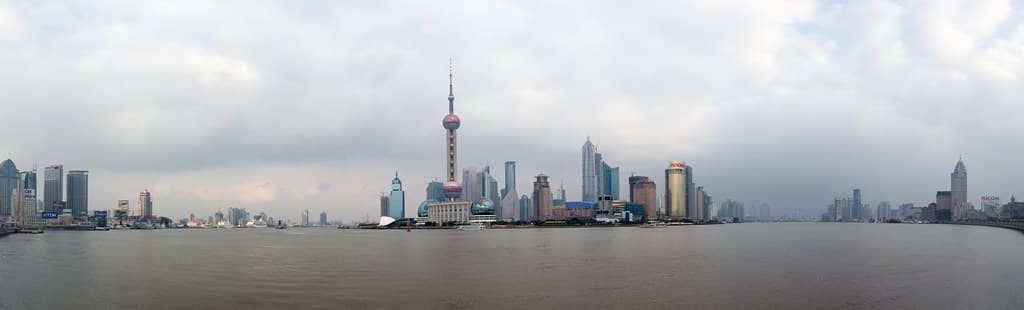
Miami Travel Guide for First-Time Visitors
Plan a smarter first Miami trip with practical advice on where to stay, getting around, food neighborhoods, beach timing, safety, and a simple 3-day itinerary.
Miami is easy to underestimate because the postcard version looks simple: beach, sun, palm trees, cocktails, done. The real first-time trip is a little trickier. Miami is part beach city, part Latin American capital, part nightlife machine, part traffic puzzle, and part humid outdoor endurance test with very good coffee. Get the base wrong and you spend the trip paying rideshare surge prices to move between places that looked close on a map. Get the pacing right and Miami is one of the most memorable warm-weather city breaks in the United States.
The best first Miami trip is usually **3 to 4 days**. That gives you enough time for Miami Beach, one or two mainland neighborhoods, Cuban food in Little Havana, a beach or water day, and either a culture/design day or a nature escape. You do not need to see every district. You need to choose the right base, cluster your days, respect the heat, and avoid turning the trip into a causeway commute with sunscreen.
**Quick answer:** First-time visitors should usually stay in South Beach for classic beach/nightlife access, Mid-Beach for a calmer resort feel, Brickell or Downtown for transit and city convenience, or Coconut Grove/Coral Gables for a quieter food-and-neighborhood trip. Use rideshare or a car for many cross-city routes, but take advantage of Metromover downtown and the Miami Beach trolley when they fit. Prioritize South Beach/Art Deco, Little Havana, Wynwood or the Design District, one water or nature experience, and meals planned by neighborhood instead of chasing restaurants across town.
Quick Facts
Table of Contents
- 1.Is Miami worth visiting for first-time travelers?
- 2.Best time to visit Miami
- 3.Where to stay in Miami
- 4.Getting around Miami without fighting the city
- 5.Food, neighborhoods, and what to prioritize
- 6.Best things to do on a first visit
- 7.A simple 3-day Miami itinerary
- 8.Safety, heat, beach rules, and practical tips
- 9.How to plan Miami for better value
- 10.Bottom line
Quick facts for first-time visitors
- **Best for:** beaches, warm-weather city breaks, nightlife, Cuban and Latin American food, art/design neighborhoods, waterfront hotels, long weekends, winter sun - **Less ideal for:** low-budget trips, car-free travelers who want effortless transit everywhere, quiet walkers, travelers who hate humidity, anyone expecting one compact downtown tourist zone - **Ideal first trip length:** 3 full days for the core trip; 4 days if you want Everglades, Key Biscayne, a boat day, or slower beach time - **Best areas to stay:** South Beach, Mid-Beach, Brickell/Downtown, Coconut Grove, Coral Gables, Wynwood/Design District only for specific nightlife/design-focused trips - **Best time to visit:** December through April for the easiest weather; May and November can be good value shoulder months; summer is hotter, wetter, and more storm-prone - **Transit reality:** Miami has useful transit pockets, but many visitor routes still work best with rideshare, taxis, or a rental car depending on your base and itinerary - **First-timer mistake:** booking a cheaper hotel far from the trip you actually want, then donating the savings to Uber like a civic-minded fool
Is Miami worth visiting for first-time travelers?
Miami is absolutely worth visiting if you want a city trip that still feels like a vacation. It is strongest for travelers who like beach time, stylish hotels, Latin food, warm nights, people-watching, and neighborhoods with distinct personalities. It is also one of the best U.S. cities for a winter escape because the weather can feel like cheating when half the continent is scraping ice off a windshield.
But Miami is not a frictionless city. It is spread out. Traffic matters. Parking can be expensive or annoying. Weather can change the mood fast. Some areas are more expensive than they look once resort fees, valet parking, beach chairs, drinks, and rideshares enter the chat. If you want a dense city where you can walk everywhere like Paris or use transit like Tokyo, Miami will humble you. Not gently. Miami does not do gentle.
The best mindset is to treat Miami as a cluster trip. Build one day around Miami Beach, one around mainland neighborhoods, and one around water, nature, or a slower resort day. Do fewer things per day than the map tempts you to do. The reward is a trip that feels sunny and alive instead of sweaty and over-scheduled.
Best time to visit Miami
The easiest time to visit Miami is **December through April**. Weather is generally more comfortable, rain is less disruptive, and the city feels built for outdoor meals, beach walks, and evening plans. The tradeoff is price. Winter and early spring are peak season, especially around holidays, major events, boat shows, art weeks, and school breaks.
**May and November** can be strong shoulder-season months if you want better hotel value and can tolerate more heat or rain risk. May is warm and humid but often still workable. November can be excellent before the full winter price surge kicks in.
**June through October** is the budget-and-heat bargain. Hotels may look more attractive, but the real cost is humidity, afternoon storms, hurricane-season uncertainty, and less comfortable walking. Summer can still be fun if your plan is pool, beach, spa, food, and nightlife with flexible timing. It is weaker if your dream trip involves long midday neighborhood walks. In July and August, the sun has unionized and it is coming for your itinerary.
For most first-timers, the sweet spot is late winter, early spring, or shoulder season. If you visit in peak winter, book earlier and accept that value may come from choosing a smarter neighborhood rather than finding a miracle rate in the obvious beach zones.
Where to stay in Miami
Your hotel area will shape the whole trip. Miami is not a city where “central” automatically means convenient. The right base depends on whether your trip is beach-first, nightlife-first, food-first, transit-first, or calm-hotel-first.
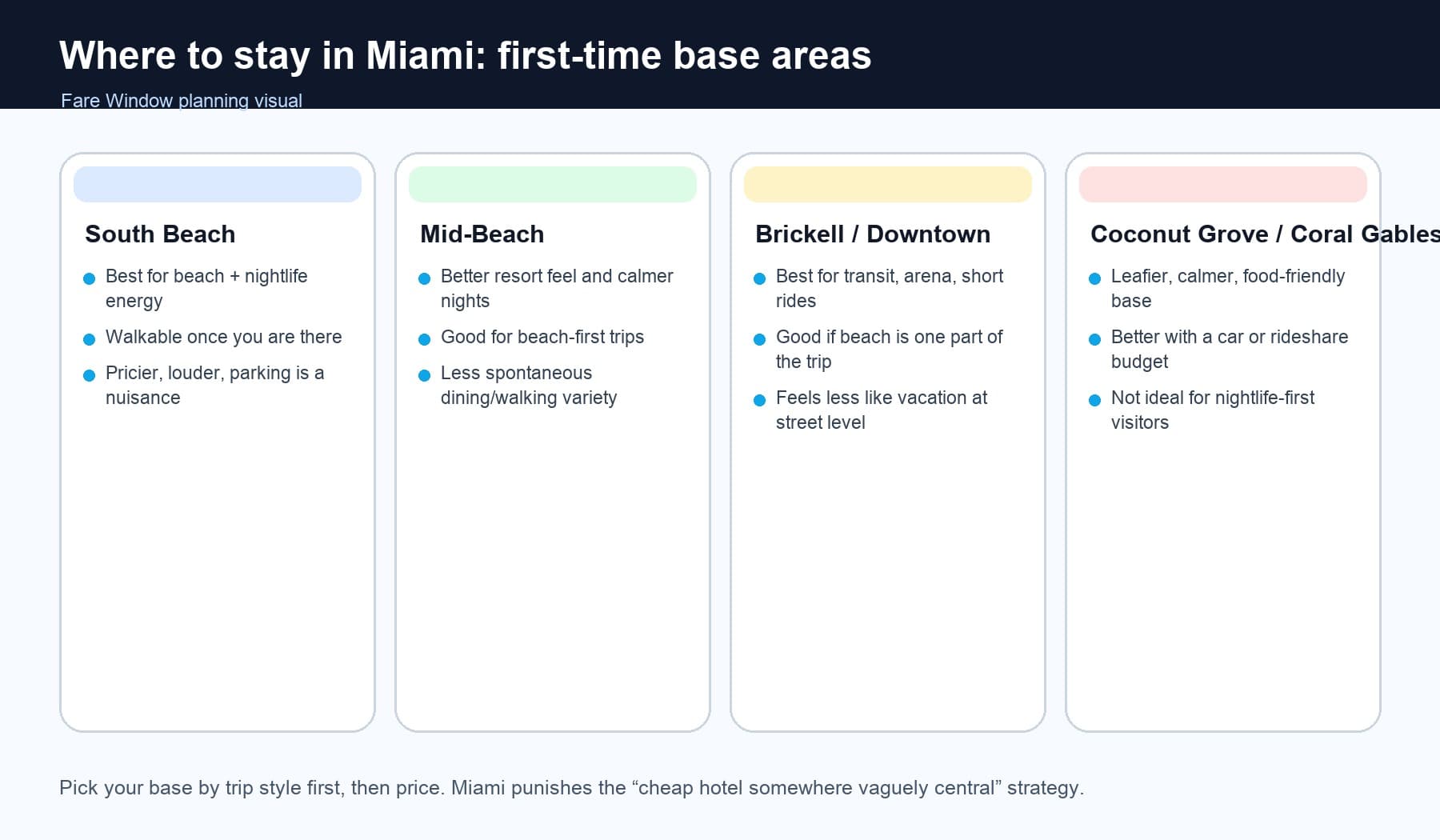
| Area | Best for | Watchouts | |---|---|---| | South Beach | First-timers who want beach, Art Deco, nightlife, walkability, and classic Miami energy | Expensive, loud in places, touristy, parking pain, not restful everywhere | | Mid-Beach | Resort stays, calmer beach time, couples, pool-focused trips | Less walkable variety; many plans require rideshare | | Brickell / Downtown | City base, short trips, arena/events, transit pockets, mainland neighborhoods | Less beachy; some blocks feel businesslike rather than vacation-like | | Coconut Grove | Leafy food-and-neighborhood base, slower trips, couples, repeat visitors | Better with rideshare/car budget; not the classic beach fantasy | | Coral Gables | Elegant, calmer, dining, architecture, Venetian Pool, mature feel | Not ideal if nightlife or South Beach access is the whole point | | Wynwood / Design District | Art, design, nightlife, restaurants, short stays with a specific plan | Not the most balanced first-time base; beach access requires rideshare |
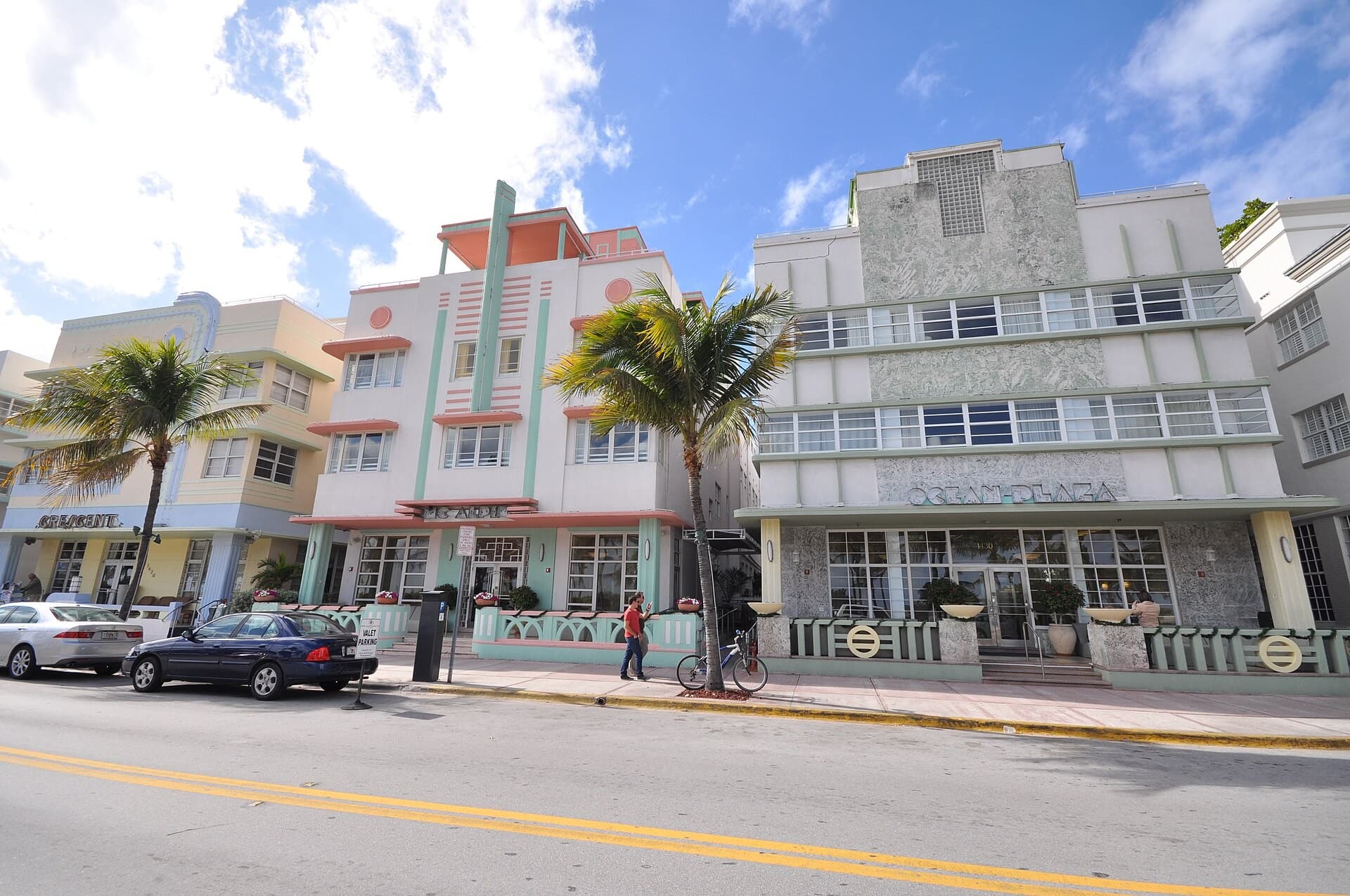
For a classic first visit, **South Beach** is the obvious choice because it puts the beach, Art Deco district, restaurants, bars, and walking routes close together. Choose it if you want Miami to feel like Miami the second you step outside. Just be honest about noise and cost. Ocean Drive is iconic, but you may sleep better a few blocks away or in a calmer part of South Beach.
Choose **Mid-Beach** if you want the beach and resort feel without maximum South Beach chaos. It works well for couples, pool time, and travelers who want the hotel to be part of the trip. The tradeoff is that you will rideshare more for dinners and neighborhoods.
Choose **Brickell or Downtown** if you care about transit pockets, short rides to Wynwood/Little Havana, events, or a more city-based trip where the beach is one chapter rather than the whole book. Brickell has restaurants and high-rise energy; Downtown has Metromover usefulness and event convenience but can feel less polished block by block.
Choose **Coconut Grove or Coral Gables** if you want a calmer, more residential-feeling Miami with good food and less beach-party energy. These are better for travelers who are willing to use rideshare or a car and do not need to wake up beside the sand.
Getting around Miami without fighting the city
Miami rewards realistic transportation planning. You can use transit in specific corridors, but you should not build a full first-time itinerary around the fantasy that everything is neatly connected. It is not. The map lies by omission, like a politician with palm trees.

**Use rideshare or taxis** for many beach-to-mainland trips, late nights, airport transfers with luggage, and routes where transit would require awkward transfers. This is often the simplest choice for first-timers.
**Use Metromover** around Downtown and Brickell when it fits. It is useful for short urban hops and helps if you are staying or dining in that area. It does not solve South Beach.
**Use Metrorail** for airport-to-city movement and some mainland routes, especially if your hotel and plans line up with stations. It is less useful for Miami Beach stays unless combined with bus or rideshare.
**Use the Miami Beach trolley and local buses** when moving within Miami Beach or when the route is straightforward. They can save money and hassle, but they are not magic carpets. Check timing and do not depend on them when you are dressed for dinner and already late.
**Rent a car** if you plan to visit Everglades National Park, Key Biscayne, multiple mainland neighborhoods, or beaches beyond your hotel area. Skip the car if you are staying in South Beach for a short trip and mostly using beach/walking/rideshare. Parking fees can turn a “good deal” rental into a small financial crime scene.
Food, neighborhoods, and what to prioritize
Miami food is one of the best reasons to leave the beach. The trick is to plan meals by neighborhood instead of chasing one famous restaurant from the wrong side of town. A good Miami food day should feel like a route, not a scavenger hunt.
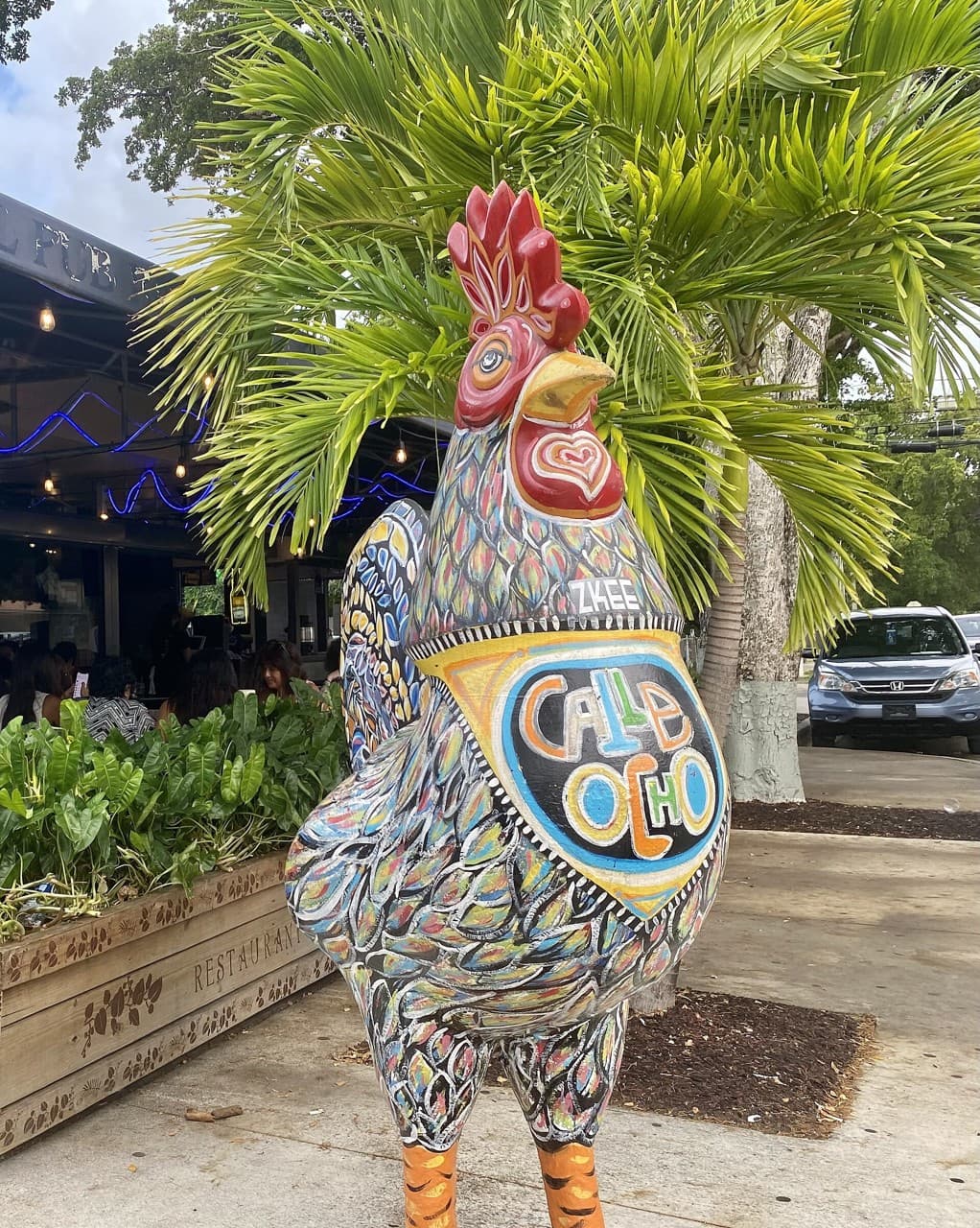
**Little Havana** is the easiest first-timer food-and-culture stop. Build a half-day around Calle Ocho, Cuban coffee, a proper lunch, cigar shops, music, Domino Park, and a slow walk rather than treating it as a ten-minute photo errand. Go earlier in the day or late afternoon, and do not expect it to replace a full nightlife district.
**South Beach** is convenient and fun, but it is also where lazy restaurant choices get punished. Eat near your hotel when convenience matters, but do not assume the most visible sidewalk menu is the best meal. Tourist zones have a way of charging you for proximity, neon, and your poor planning.
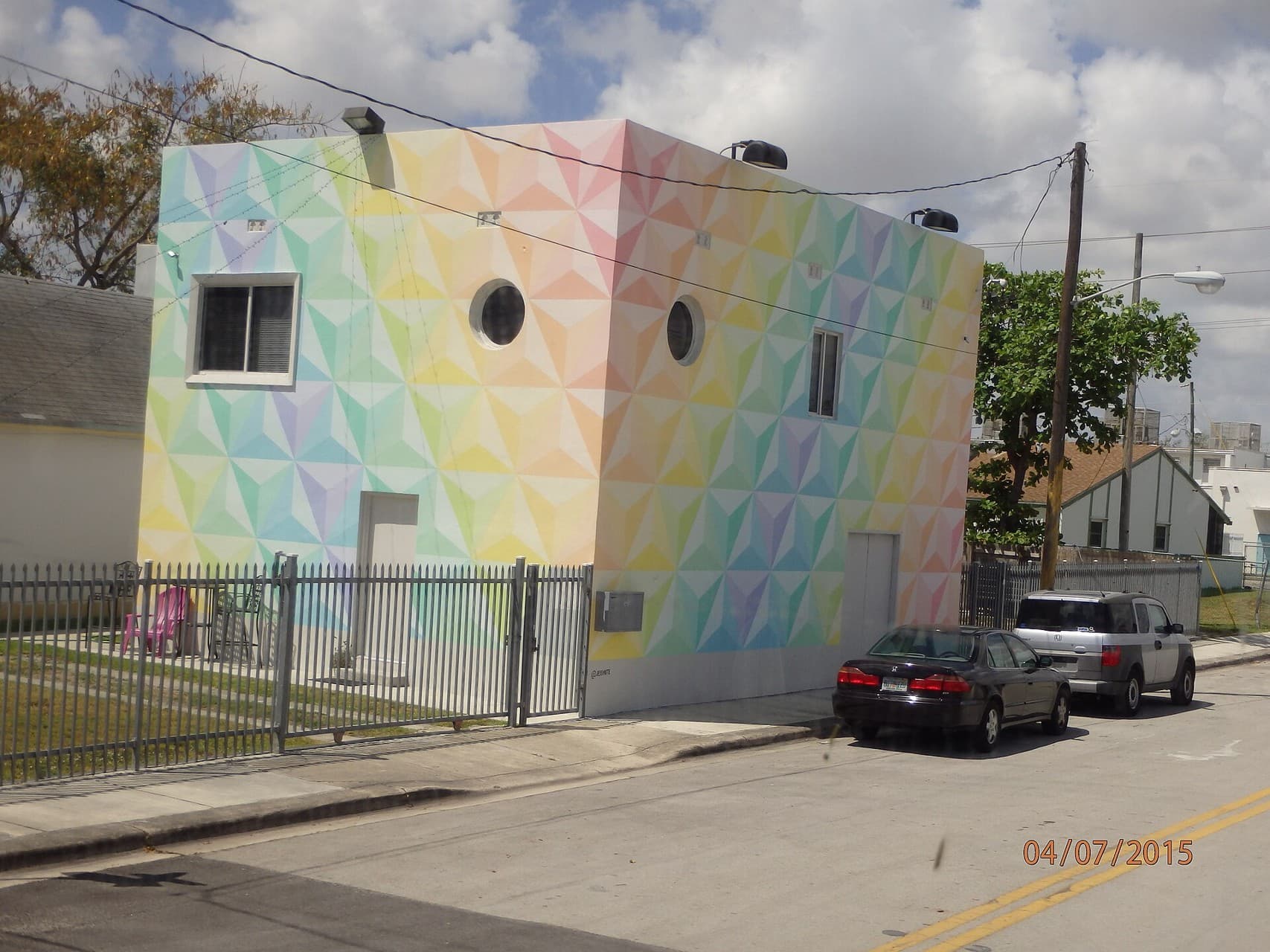
**Wynwood** works well for murals, galleries, breweries, casual restaurants, and nightlife. It is better as a late afternoon into evening plan than as a midday heat march. Pair it with the Design District if you care about architecture, shopping, and polished dining.
**Coconut Grove and Coral Gables** are better for slower meals, leafy streets, date-night dinners, and a Miami that feels less like a beach-party machine. They are especially good if your trip is not built around clubs or South Beach.
A simple first-trip food strategy: one Little Havana meal, one seafood or waterfront meal, one casual Cuban coffee/pastry stop, one Wynwood/Design District or Grove/Gables dinner, and one flexible beach-area meal when you are too sun-tired to be ambitious.
Best things to do on a first visit
Start with **South Beach and the Art Deco Historic District**. Walk Ocean Drive and Collins Avenue early or near golden hour, then use the beach when the light and heat make sense. The area is touristy because it is famous, not because it is useless. The move is to enjoy the architecture and beach without spending every meal and drink on the most obvious strip.
Add **Little Havana** for Cuban Miami, **Wynwood** for murals and nightlife, and either the **Design District** or **Pérez Art Museum Miami** depending on whether your taste leans shopping/design or museum/waterfront architecture. If you want nature, choose **Everglades National Park** for a bigger day or **Key Biscayne / Bill Baggs Cape Florida State Park** for an easier beach-and-bike-feeling escape.
For water, consider a boat tour, Biscayne Bay cruise, kayak/paddleboard plan, or a beach day with zero shame attached. Miami is one of the few cities where doing less can be the correct itinerary. If you fly across the continent and never sit by the water, the city is allowed to judge you.
Skip the instinct to hit every named neighborhood. First-timers usually do better with South Beach, one mainland culture/food cluster, one nature/water choice, and one nicer dinner area. That gives you texture without turning the trip into a checklist hostage situation.
A simple 3-day Miami itinerary
This itinerary assumes a first-time visitor who wants the core Miami experience without crossing the city five times a day.
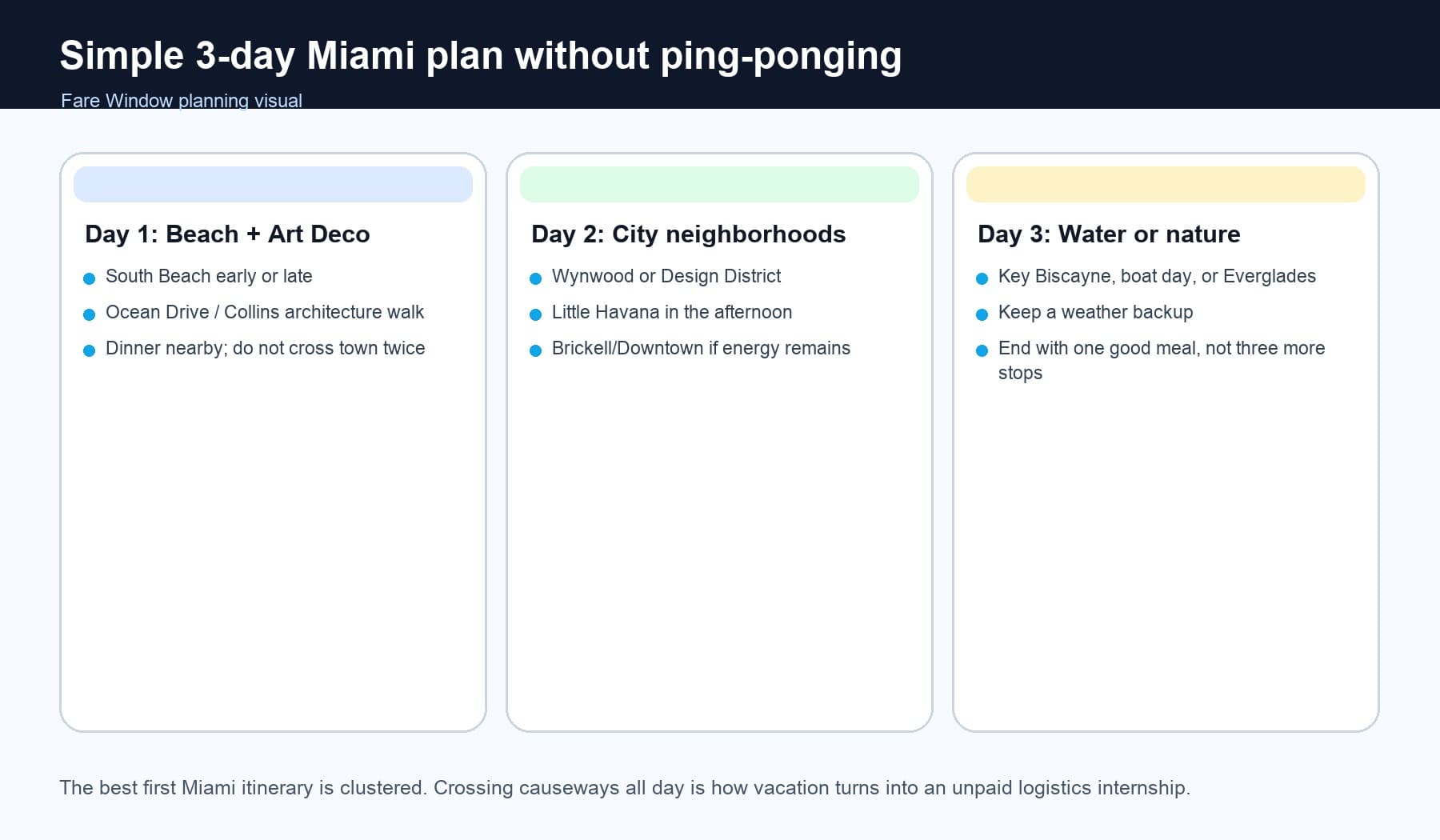
**Day 1: South Beach and Art Deco Miami.** Start with the beach before the heat gets rude. Walk the Art Deco Historic District, take a break during the hottest part of the day, then return for golden-hour photos and dinner. If nightlife matters, this is the easiest night to stay near South Beach instead of commuting back and forth.
**Day 2: Little Havana, Wynwood, and mainland Miami.** Have Cuban coffee and lunch around Calle Ocho, then move toward Wynwood or the Design District in the afternoon. Keep dinner in the same general mainland zone. If you are staying in Brickell/Downtown, this day is efficient. If you are staying on the beach, accept one clean cross-city movement instead of several dumb little ones.
**Day 3: Water, nature, or a slower neighborhood day.** Choose Key Biscayne, a boat day, Everglades, another beach block, or Coconut Grove/Coral Gables. Do not try to do all of them. Miami’s geography makes restraint look like wisdom, which is a nice change from most vacation advice.
If you have a fourth day, add the thing you skipped: Everglades if you stayed urban, Key Biscayne if you stayed beachy, or a slower food/design day if you rushed the neighborhoods.
Safety, heat, beach rules, and practical tips
Miami is manageable for first-time visitors, but normal city and beach awareness matters. Watch drinks and valuables in nightlife areas, avoid leaving anything visible in a car, use licensed rideshare/taxis, and be cautious in quiet or unfamiliar areas late at night. Around tourist zones, assume the obvious scam is probably obvious for a reason.
Heat is the bigger day-to-day issue. Plan outdoor walks early or late, use shade and indoor breaks, drink water, and do not make noon the centerpiece of your Wynwood mural march in August unless your hobby is becoming soup.
At the beach, pay attention to flags, currents, sun exposure, and alcohol. The Atlantic can look friendly and still have opinions. Use reef-safe sunscreen where appropriate, do not underestimate UV, and remember that a sunburn on day one is just your vacation charging interest.
Money-wise, check hotel resort fees, parking charges, beach-chair costs, and cancellation rules. Miami can look cheaper in the search results than it feels on the ground. The boring line items are where the city keeps its tiny knives.
How to plan Miami for better value
The best value move is not always choosing the cheapest hotel. It is choosing the hotel that reduces friction for the trip you actually want. A slightly more expensive South Beach or Mid-Beach stay may be better value for a beach-first weekend than a cheaper mainland hotel plus daily rideshares. A Brickell hotel may be better value if your trip is mostly restaurants, events, Little Havana, Wynwood, and one beach visit.
Visit outside peak weeks if you can. Winter weather is lovely, but major events and holiday periods can push hotel prices into comedy. Shoulder months can give you more room to upgrade location or hotel quality. Summer can be cheaper, but only if you are honest about heat, storms, and a more flexible itinerary.
For flights, Miami International is the obvious airport, but Fort Lauderdale can be useful depending on routes and pricing. Do the full math before choosing: fare difference, transfer time, arrival hour, hotel location, and how tired you will be when you land. Saving $80 to spend 90 extra minutes in traffic is not a travel hack. It is a cry for help with a boarding pass.
Bottom line
Miami is a great first-time destination when you build the trip around clusters: beach and Art Deco, Little Havana and mainland neighborhoods, one water or nature day, and meals chosen by geography. It is weaker when you chase every famous area from a bad hotel base and pretend traffic will be a minor detail.
Stay in South Beach if you want classic Miami energy, Mid-Beach if you want calmer resort time, Brickell/Downtown if you want a city base, or Coconut Grove/Coral Gables if you want food, shade, and a softer pace. Keep the itinerary loose, respect the heat, and give yourself permission to spend part of the trip doing exactly what Miami is good at: being near the water, eating well, and not turning every hour into productivity theater.
Let Fare Window find the best fares for your next trip.
Track routes, watch price changes, and get smarter alerts before you book.
Start tracking faresKeep planning
Related travel guides
Explore more first-time destination guides while you compare routes, seasons, and trip shapes.