Los Angeles Travel Guide for First-Time Visitors
Plan your first Los Angeles trip with practical advice on where to stay, neighborhoods, getting around, food, things to do, safety, timing, and itinerary pacing.
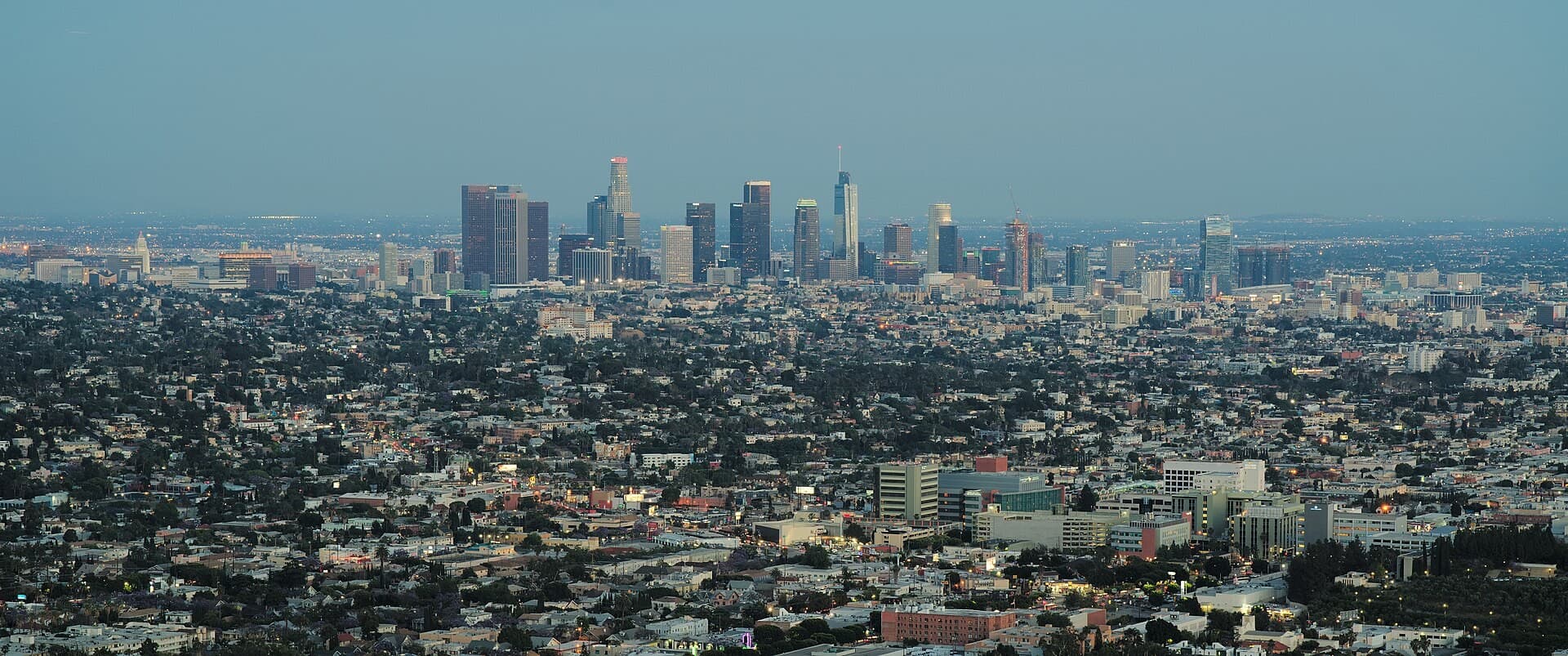
Los Angeles is a great first trip if you stop trying to treat it like Paris with palm trees. It is not a compact city where you book one central hotel, wander everywhere, and let the day arrange itself. LA rewards visitors who choose a base carefully, group sights by geography, and accept that a “quick cross-town detour” is how perfectly good afternoons go to die.
For a first visit, the best Los Angeles plan is usually **4 to 5 days**, with one beach/westside day, one Hollywood/Griffith day, one Downtown/museum/food day, and one flexible day for studios, shopping, hiking, or a slower coastal loop. If you only have 2 or 3 days, be ruthless. LA is better when you do fewer areas properly than when you spend the trip commuting between famous names.
Quick Facts
- Best for: beaches, film/studio energy, food neighborhoods, museums, architecture, and sunny city breaks.
- Less ideal for: travelers who want compact walkability, transit-only simplicity, or every famous sight in two rushed days.
- Ideal first-trip length: 4 full days; 3 days works with strict geographic clustering; 5 days gives room for Malibu, Getty, studios, or slower food neighborhoods.
- Best areas to stay: Santa Monica, Venice, West Hollywood, Beverly Grove/Fairfax, Los Feliz, selective Hollywood, or selective Downtown LA.
- Best time to visit: March-May and September-November for the easiest balance; summer for beach energy; winter for cooler weather and possible value.
- Getting around: mix walking within neighborhoods, Metro on direct routes, rideshare for awkward hops, and rental cars for coast-heavy days.
- First-timer mistake: planning by famous attraction names instead of geographic clusters, then losing the trip to cross-town travel.
Table of Contents
- 1.Quick answer: how to plan Los Angeles the first time
- 2.Where to stay in Los Angeles
- 3.Best areas and neighborhoods for first timers
- 4.Getting around Los Angeles
- 5.Best things to do in Los Angeles
- 6.Food and restaurants
- 7.Safety and practical tips
- 8.Best time to visit Los Angeles
- 9.Simple first-timer itinerary
- 10.Common first-timer mistakes
- 11.Bottom line
Quick answer: how to plan Los Angeles the first time
First-time visitors should stay in Santa Monica/Venice for a beach-first trip, West Hollywood or Beverly Grove for the most balanced restaurant-and-sightseeing base, Hollywood/Los Feliz for studios and Griffith Park, or Downtown only if museums, food halls, events, and Metro access matter more than beach time.
You will probably use a mix of rideshare, rental car days, Metro, walking within neighborhoods, and occasional patience. The trick is not choosing one perfect transport mode. The trick is not building an itinerary that requires heroic movement across the basin every day. Heroism is for Marvel characters and people who have never checked the 405.
Where to stay in Los Angeles
Los Angeles does not have one obvious first-timer hotel zone. “Central” is a trap word here. The right base depends on which version of LA you want most: beach, nightlife, studios, museums, food, or classic sightseeing.
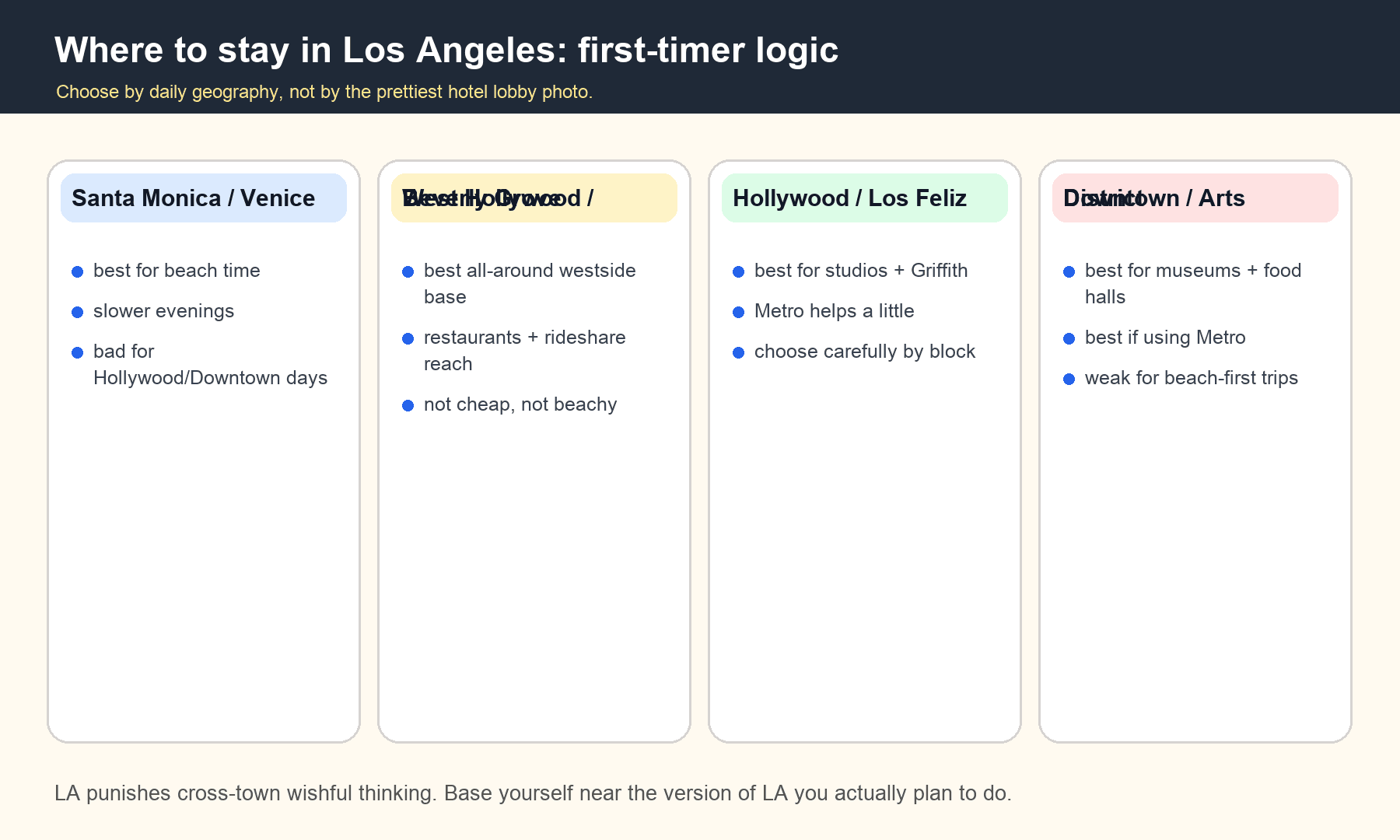
**Venice** is better if you want more edge, walking around Abbot Kinney, canals, street life, and a slightly less polished beach scene. It can feel more chaotic at night and block-by-block quality matters, so choose lodging carefully.
**West Hollywood, Beverly Grove, and Fairfax** are the best all-around bases for many first-timers. You are not on the beach, but you are better positioned for restaurants, shopping, Hollywood, Beverly Hills, museums, and rideshare hops. If your trip is more food, neighborhoods, and classic LA than sand, this is usually the practical answer.
**Hollywood and Los Feliz** work if studios, Hollywood Boulevard, Griffith Observatory, and the east side are priorities. Los Feliz is more pleasant and local-feeling; Hollywood is more convenient for some sights but can feel tacky, hectic, and weirdly disappointing if you expected glamour. Hollywood Boulevard is famous, not elegant. Big difference.
**Downtown LA** is useful for Walt Disney Concert Hall, The Broad, Grand Central Market, Little Tokyo, the Arts District, events, and transit connections. It is not the best base for a classic first LA vacation unless your plans are Downtown-heavy. Some blocks feel quiet or rough at night, so hotel location matters.
Best areas and neighborhoods for first timers
Think of LA as clusters. The westside gives you Santa Monica, Venice, Malibu-adjacent day trips, Brentwood, and beaches. Central LA gives you West Hollywood, Beverly Grove, Fairfax, Melrose, LACMA, The Grove, and Beverly Hills. Hollywood/Los Feliz gives you studios, Griffith Park, classic movie mythology, and easier access to some eastside neighborhoods. Downtown gives you museums, architecture, food halls, sports, concerts, and Little Tokyo.
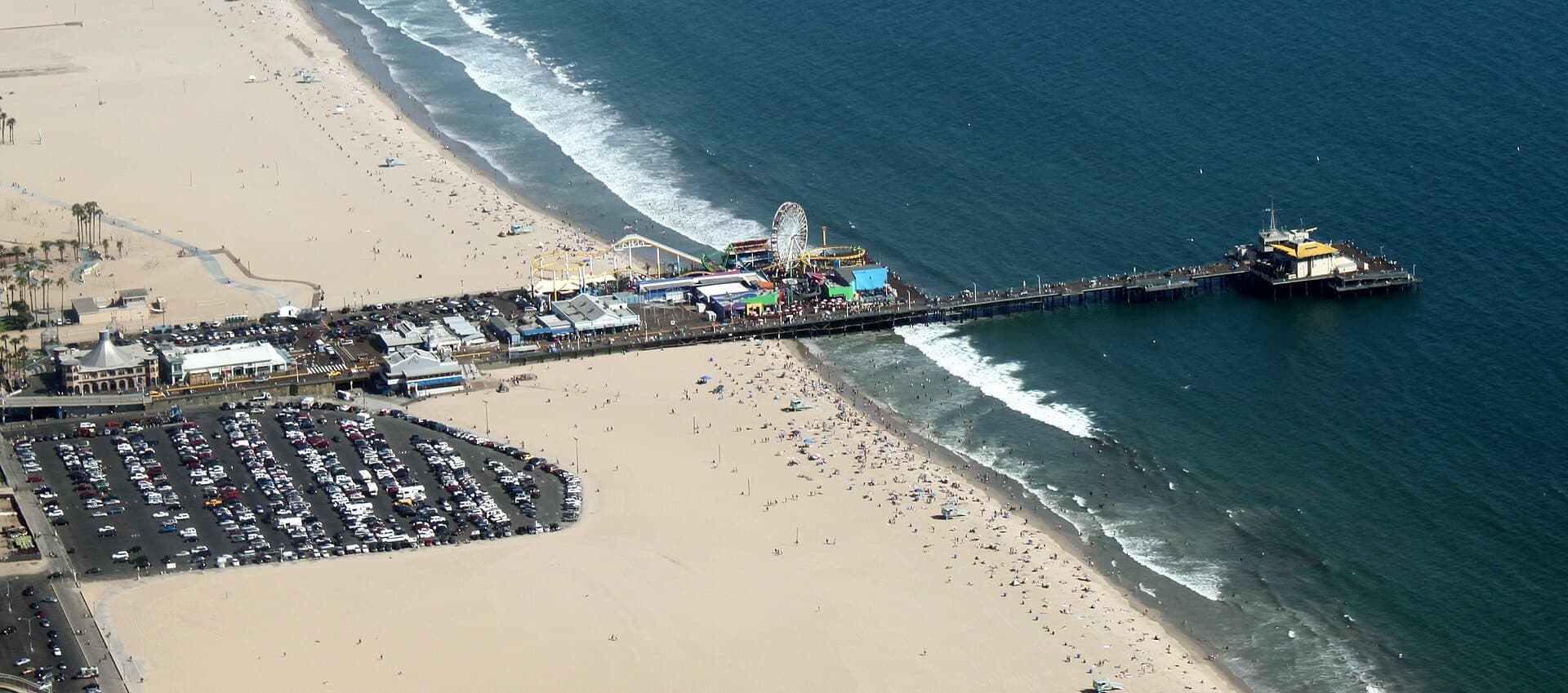
For a first trip, do not schedule Santa Monica Pier, Hollywood Walk of Fame, The Broad, Griffith Observatory, and Koreatown dinner as one “LA highlights day.” That is not an itinerary; it is a cry for help with parking receipts.
Santa Monica and Venice pair naturally. Hollywood and Griffith pair naturally. Downtown, Little Tokyo, the Arts District, and Grand Central Market pair naturally. West Hollywood, Fairfax, Beverly Hills, and museum/shopping time pair naturally. Build days this way and LA suddenly becomes much less annoying.
Getting around Los Angeles
You do not need to rent a car for every first-time LA trip, but you do need a movement strategy. Rideshare is easiest for short hops, nights out, and areas where parking is irritating. A rental car helps for Malibu, multiple spread-out beach stops, some studio or hillside plans, and family travel. Metro is useful on specific corridors, especially between Downtown, Hollywood, Universal City, and parts of Santa Monica via the E Line, but it will not magically solve the whole city.
The best approach is usually mixed: stay somewhere that reduces your hardest trips, walk within neighborhoods, use Metro where it is direct, and use rideshare or a car when the route becomes awkward. If you rent a car, budget for parking and do not underestimate hotel parking fees. LA parking charges have the emotional range of a minor medical bill.
For LAX, rideshare, taxis, shuttles, and transit all exist, but the right choice depends on hotel location, luggage, arrival time, and patience. After a long flight, paying for the simpler option is often money well spent. Saving $18 while tired and dragging luggage through transfers is how vacations begin with marital litigation.
Best things to do in Los Angeles
For first-timers, Griffith Observatory is worth prioritizing because it gives you both a real attraction and a mental map of the city. Go near golden hour if you can, expect crowds, and do not leave your transport plan vague. The views explain LA better than most guidebook intros.
Hollywood Boulevard is worth a short look if you have never been, but keep expectations sane. See the Chinese Theatre area, glance at the Walk of Fame, then move on. Spending half a day there because it is famous is one of the classic first-timer mistakes.
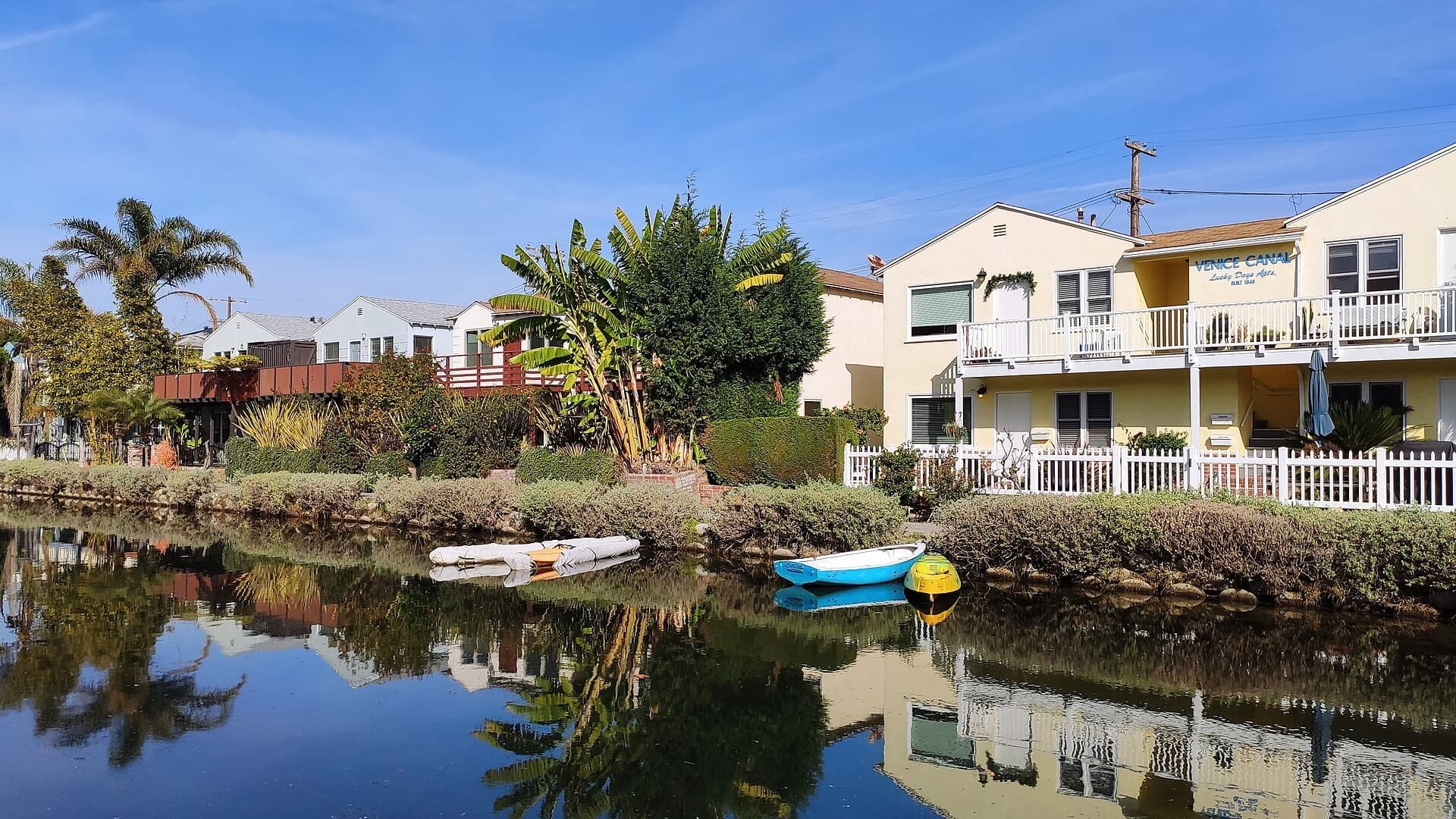
Santa Monica and Venice deserve a slower coastal block of time. Walk or bike the beach path, see the pier, wander the Venice Canals, and add Abbot Kinney if shopping and restaurants appeal. This is not the day to also “quickly” do Downtown afterward.
Museums and architecture are stronger than many visitors expect. The Getty Center is excellent but location-heavy, so treat it as a real chunk of the day. The Broad, Walt Disney Concert Hall, MOCA, Little Tokyo, and Grand Central Market make a strong Downtown cluster. LACMA, the Academy Museum, the Petersen Automotive Museum, The Grove, and Fairfax can form a central LA day.
Studio tours are worthwhile if film and television are part of why you are coming. Universal Studios is a full theme-park day; Warner Bros. is more of a studio-tour experience. Do not confuse the two. One is rides and spectacle; the other is behind-the-scenes production energy.
Food and restaurants
LA food is one of the best reasons to visit, but first-timers often plan meals badly. The city is too spread out for restaurant-chasing without geography. Pick food around the area you are already exploring instead of crossing town because one list said a taco was mandatory. The taco may be excellent. The 55-minute ride may be stupid.
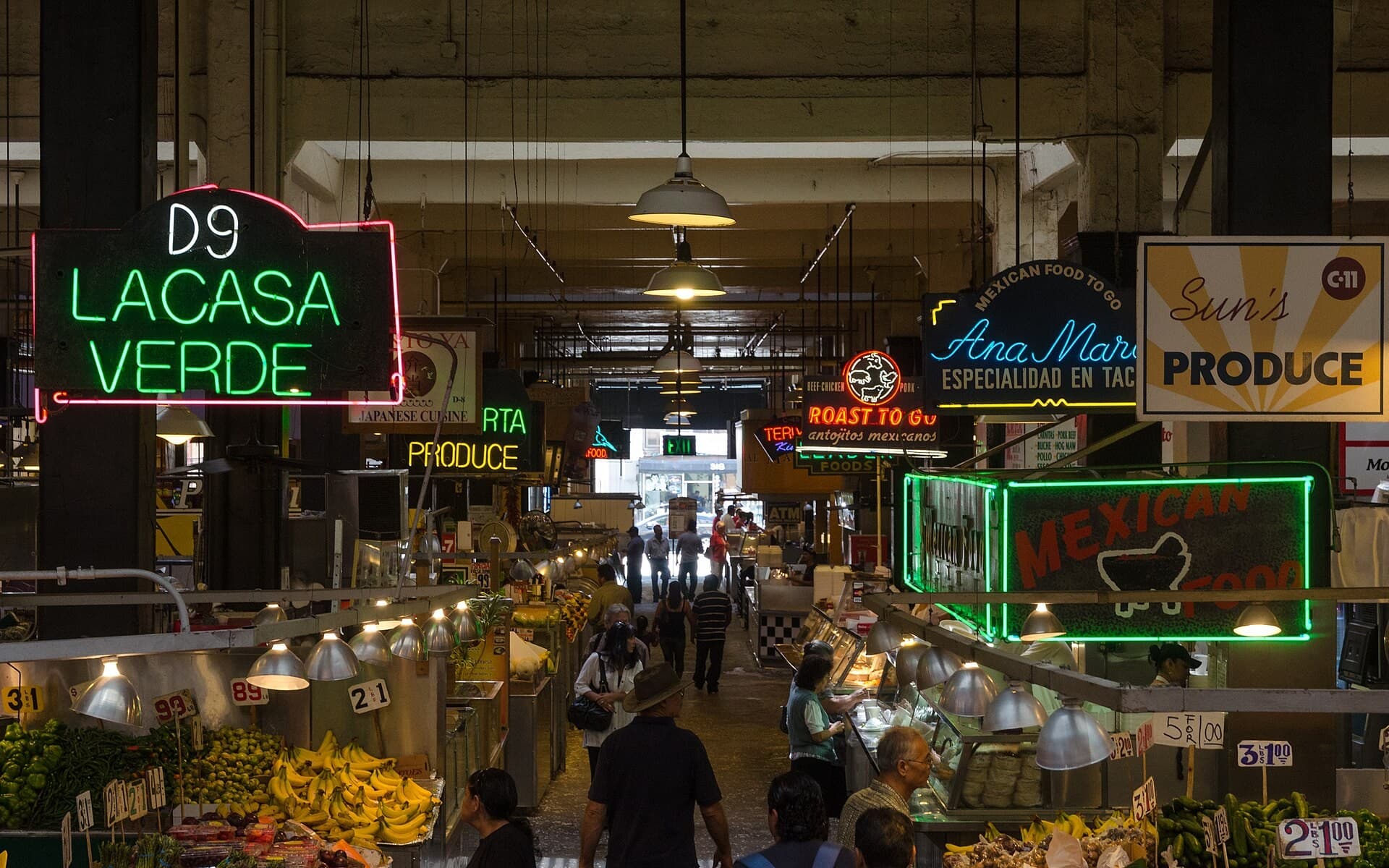
For a first trip, use Downtown and Grand Central Market for easy variety, Koreatown for barbecue and late-night energy, Thai Town for focused food exploration, Santa Monica/Venice for beach-adjacent dining, West Hollywood/Beverly Grove for polished restaurants, and the Arts District for breweries, restaurants, and a more urban LA feel.
Tacos, Korean food, Thai food, burgers, sushi, farmers markets, food halls, and neighborhood bakeries all matter more than one fancy reservation. If you do want a special dinner, book early and make it fit the day’s geography. A great restaurant on the wrong side of town can become a logistics project wearing a linen shirt.
Safety and practical tips
Los Angeles is manageable for visitors with normal big-city awareness, but it is not frictionless. Do not leave bags visible in cars. Be careful with phone use near traffic and crowded tourist zones. Pay attention to block-by-block feel at night, especially Downtown, parts of Hollywood, and quiet transit areas. If a street feels off, change course without making it a philosophical debate.
Beach areas can have petty theft, so do not leave valuables unattended while swimming. Hiking areas need water, sun protection, and realistic timing. LA sun is not just decorative; it is actively doing paperwork on your skin.
Book timed attractions where needed, check museum closing days, confirm parking rules, and avoid stacking reservations across distant neighborhoods. If you are traveling with kids, older relatives, or anyone with mobility limits, plan fewer transitions. LA sidewalks, hills, parking garages, and long attraction days can wear people out faster than the map suggests.
Best time to visit Los Angeles
Spring and fall are the easiest seasons for most first-time visitors: usually pleasant, less intensely hot inland, and better for walking neighborhoods. Summer is lively and good for beach energy, but marine layer mornings can surprise people expecting constant postcard sun, while inland areas can be very hot. Winter can be excellent value with cooler weather, occasional rain, and clearer views after storms.
If beach swimming is central, summer and early fall are strongest. If museums, food, neighborhoods, and hiking matter more, shoulder seasons are better. For theme parks, school breaks and holiday periods bring heavier crowds. For awards-season energy, winter has its own appeal, but prices and access can swing around events.
Simple first-timer itinerary
**Day 1: Westside arrival and coast.** Settle in, keep the first day geographically easy, and do Santa Monica, Venice, the canals, Abbot Kinney, or a beach-path walk depending on where you are staying. Do not land at LAX and immediately attempt the entire city like you are speedrunning urban planning.
**Day 2: Hollywood, Griffith, and Los Feliz.** Do a short Hollywood stop if you care, add a studio tour if that is a priority, then finish with Griffith Observatory or Los Feliz dinner. This day works best when you do not also jam in the beach.
**Day 3: Downtown, museums, and food.** Pair The Broad or Disney Concert Hall with Grand Central Market, Little Tokyo, the Arts District, or a show/game if timing lines up. Downtown is better when you treat it as its own cluster, not as an afterthought.
**Day 4: Choose your LA.** Pick Malibu and coast, The Getty, Universal Studios, Koreatown and central neighborhoods, LACMA/Academy Museum/Fairfax, or a slower shopping-and-food day. This flexible day is where LA gets good because you stop trying to prove you saw everything.
**Day 5 if you have it:** repeat your favorite side of the city at a slower pace. LA is not a checklist city. It is a pick-your-lane city.
Common first-timer mistakes
The biggest mistake is booking lodging without understanding distances. The second is planning by famous attraction names instead of neighborhood clusters. The third is assuming a rental car solves everything. It solves some problems and creates others: parking, traffic, fees, and the emotional experience of a six-lane left turn.
Other mistakes: spending too long on Hollywood Boulevard, underestimating Downtown at night, treating Malibu as a quick add-on, scheduling meals across town, skipping sun protection, and trying to make LA feel like a compact European capital. It is not. Once you stop demanding that, the city becomes much more enjoyable.
Bottom line
Los Angeles is best for first-time visitors who want beaches, food, movies, museums, neighborhoods, and a little sprawl-induced chaos in exchange for variety. It is less ideal if you want effortless walkability, one tidy historic center, or a trip where every major sight sits fifteen minutes apart.
Choose your base around your real priorities, group each day by area, leave space for traffic and slow meals, and skip a few famous things without guilt. The best LA trip is not the one that covers the most ground. It is the one that stops fighting the map.
Let Fare Window find the best fares for your next trip.
Track routes, watch price changes, and get smarter alerts before you book.
Start tracking faresKeep planning
Related travel guides
Explore more first-time destination guides while you compare routes, seasons, and trip shapes.