
Vancouver Travel Guide for First-Time Visitors
A practical Vancouver guide for first-time visitors who care about neighborhoods, walkability, food, weather tradeoffs, and making the city feel easy.

Vancouver works best as a first trip when you treat it like a city of strong neighborhoods and outdoor edges, not a checklist of famous monuments. The draw is the mix: seawall walks, mountain views, good Asian food, easy urban wandering, and enough polish that a short stay can feel smooth.
The tradeoff is price. Vancouver is rarely a bargain, and a bad hotel location can make the city feel slower and more expensive than it should. If you get the season and neighborhood right, though, it is one of the easiest North American city breaks to enjoy.
Quick Facts
- Best for: Walkable city with nature access, strong food, and a manageable learning curve.
- Stay in: West End for the easiest first trip, or Yaletown for polished convenience.
- Best months: May, June, or September for the best weather-to-value balance.
- Minimum stay: 3 days to see the city properly.
- Getting around: Easy without a car if you stay central and use transit for airport access.
Table of Contents
Best time to visit Vancouver
The best time to visit Vancouver for most first-time visitors is May, June, or September. Those months usually give you the best balance of usable weather, long enough days, and less pricing pressure than the peak of summer.
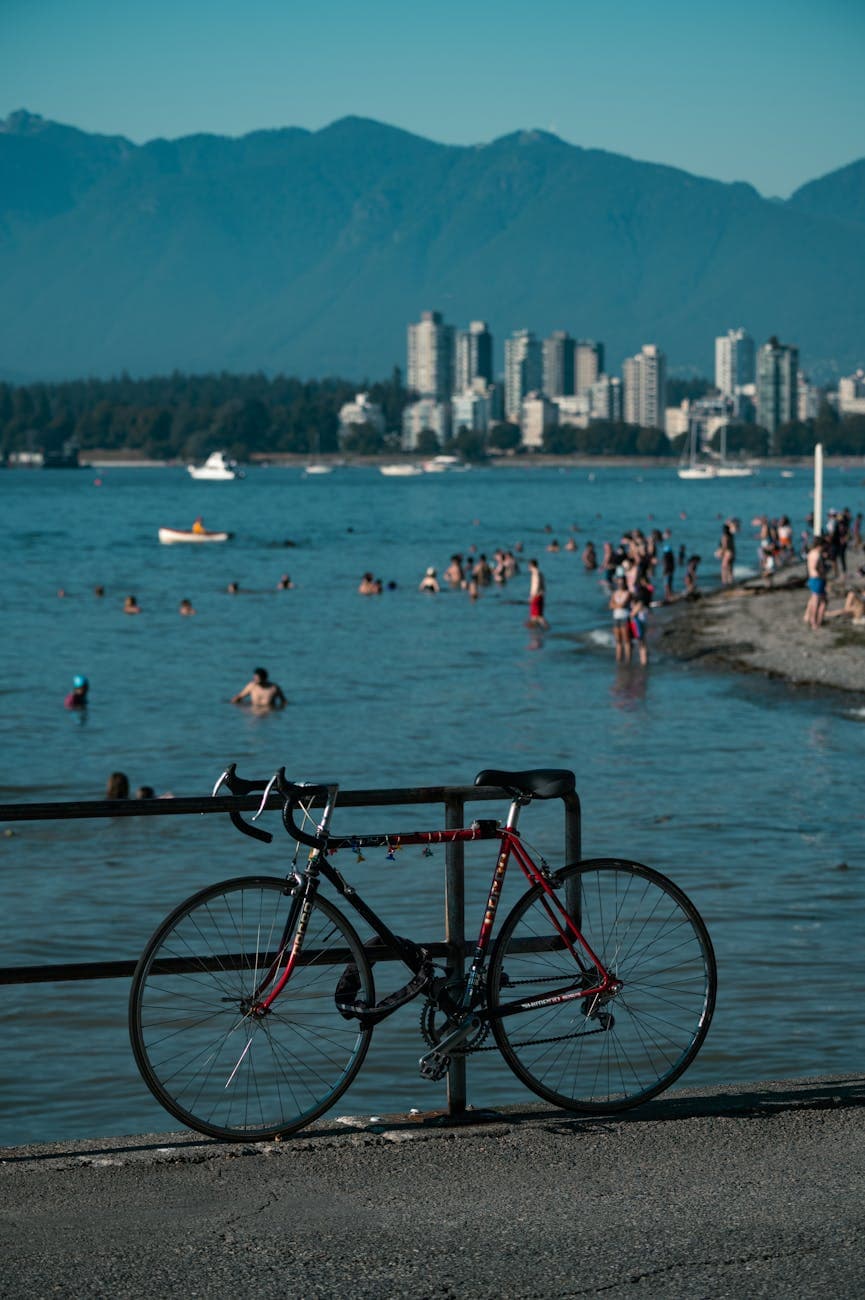
July and August are the easiest months to sell because the city looks fantastic, patios are full, and the seawall-and-park version of Vancouver is firing properly. They are also the months when hotel rates get rude. Cruise traffic, school holidays, and general summer demand push central neighborhoods up fast.
Spring and early fall are smarter if you care about value. You still get a very usable city, and you are less likely to feel like you are paying premium prices just to stand in the same nice spot as everyone else.
Late fall and winter are not bad by default, but they are bad for denial. If you come expecting dry postcard weather, Vancouver will humble you like a gym membership in February. If you come ready for mist, good food, galleries, and breaks in the weather, the city still works.
Quick answer: Summer is best for the classic Vancouver version of the city, but May, June, and September are usually the better-value months for first-time visitors.
Seasonal tradeoffs at a glance
Best balance of weather, value, and a usable city feel.
Classic Vancouver — patios, seawall, higher prices, cruise crowds.
Still pleasant, easing demand, good food-focused visits.
Misty, affordable, food and gallery territory — not for denial.
Where to stay in Vancouver
The best area to stay in Vancouver for most first-time visitors is the West End or Yaletown. Both make it easy to move around without a car, stay close to the water, and reach the city's best first-trip experiences quickly.
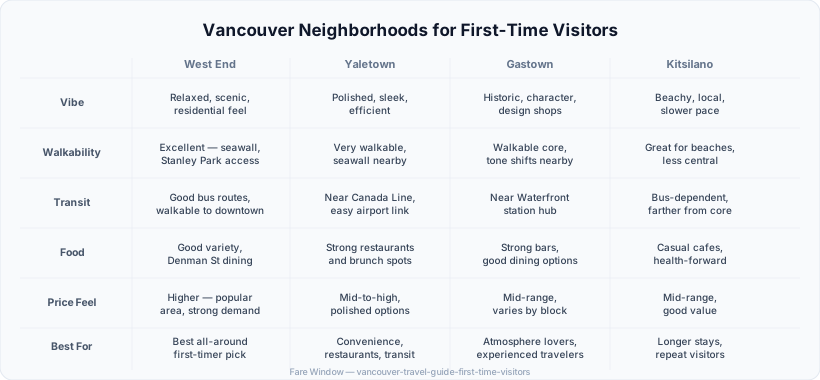
Quick answer: Stay in the West End for the easiest first trip, Yaletown for convenience and restaurants, Gastown for character, and Kitsilano for a more local pace.
West End: best all-around pick for first-timers
Choose the West End if your ideal Vancouver trip includes Stanley Park, English Bay, easy morning walks, and a base that feels relaxed rather than overly corporate. This is the safest all-around pick for many first-timers because it gives you scenic access and practical convenience at the same time.
The tradeoff is price. It is popular for a reason, and the nicest options can feel expensive even by Vancouver standards.
Yaletown: best for polished convenience
Choose Yaletown if you want a polished downtown base with restaurants, seawall access, and simple transit connections. It feels efficient. If you want your first trip to run cleanly, this is a strong choice.
The downside is personality. Some travelers love the easy, sleek energy; others find it a little too curated.
Gastown: best for atmosphere and dining
Choose Gastown if atmosphere, dining, and historic character matter more to you than having the easiest all-purpose base. The best parts are genuinely enjoyable, especially if you like bars, design shops, and older architecture.
The caution is that surrounding blocks change tone quickly. Some first-time visitors are surprised by the contrast nearby, so this is better for travelers who care more about vibe than simplicity.
Kitsilano: best for a slower local pace
Choose Kitsilano if you want beaches, a local rhythm, and a slower city feel. It is a very likable area, but it makes more sense for longer stays or repeat visits than for a compressed first trip where downtown access matters every day.
What to do in Vancouver
The best things to do in Vancouver depend on whether you are here for views, food, easy urban wandering, or a mix of all three. The city is strongest when you stop trying to force a giant attraction count and start building your days around areas that connect well.
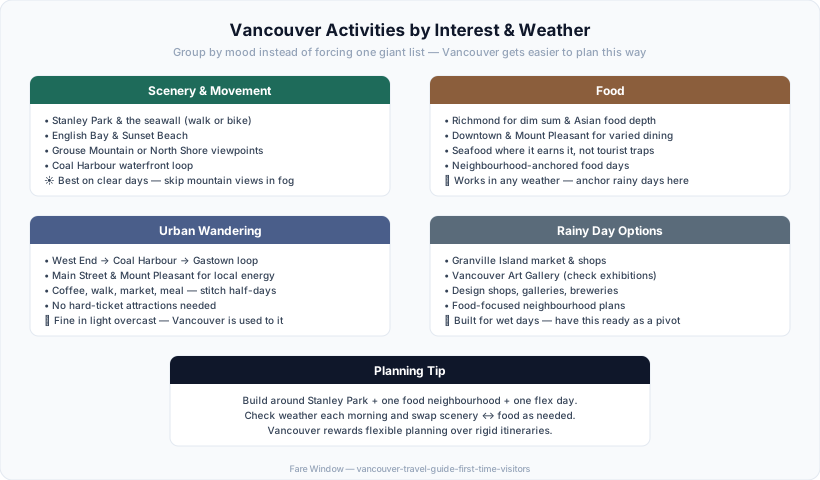
For scenery and movement
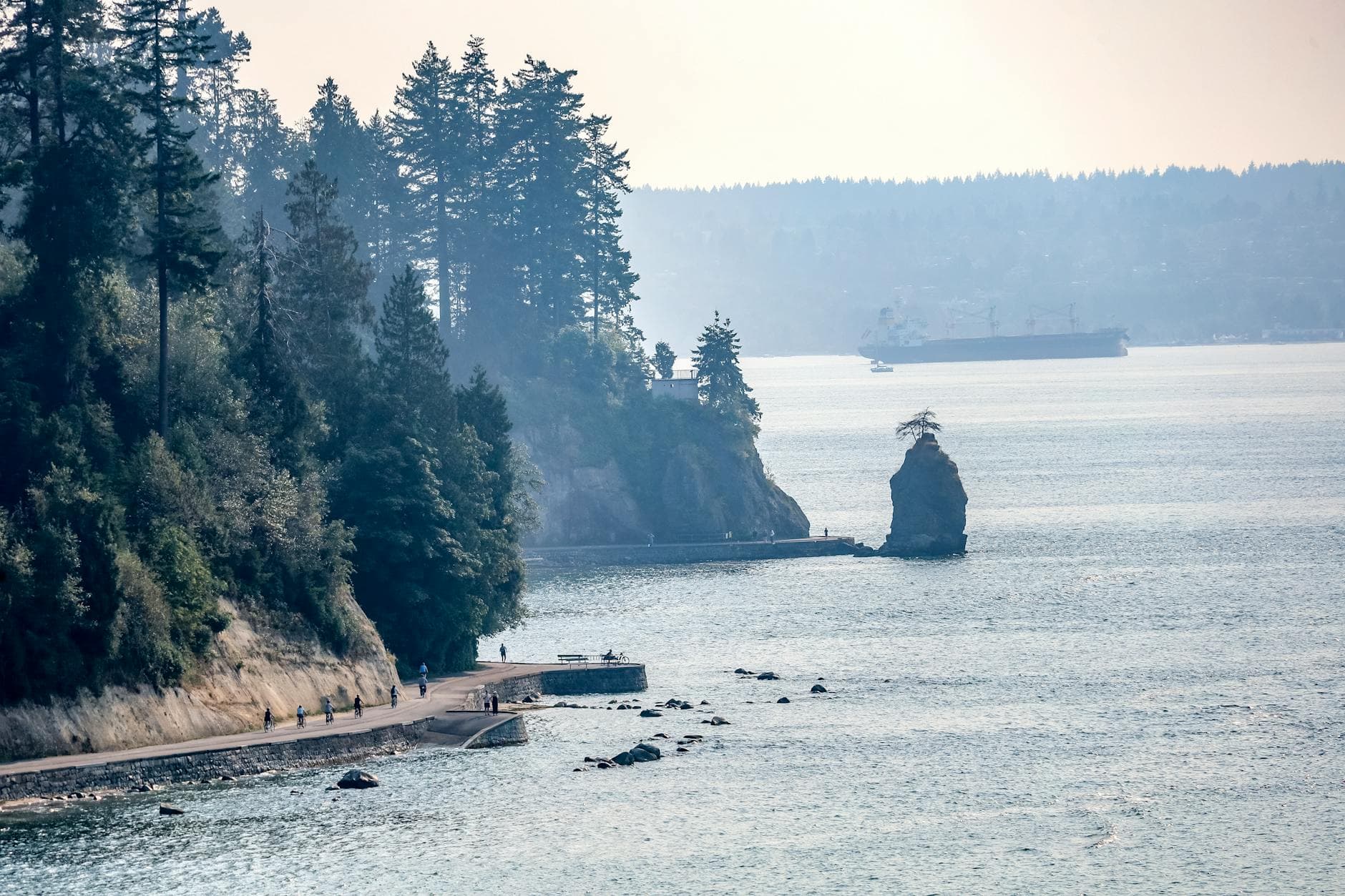
Start with Stanley Park and the seawall. It is the most obvious first-timer activity in the city, but it is obvious because it actually earns it. Walking or cycling here gives you the version of Vancouver people are usually picturing when they say they love Vancouver.
If the weather is clear, add a view play like Grouse Mountain or a North Shore perspective. If visibility is garbage, do not stubbornly throw a whole afternoon at clouds. Pivot.
For food
Vancouver is more convincing as a food city than as a landmark city. Prioritize Asian food, seafood where it actually makes sense, and neighborhoods where eating can anchor the day rather than interrupt it. Richmond is especially strong if you are willing to go beyond the core, while downtown and Mount Pleasant can carry shorter trips well.
For urban wandering
Combine the West End, Coal Harbour, Gastown, and parts of Main Street or Mount Pleasant depending on your taste. Vancouver is good at stitched-together half-days: coffee, a walk, a market, a meal, then a view. It is not a city that needs ten hard-ticket attractions to justify itself.
For rainy days
On wet days, shift toward food, design shops, galleries, breweries, the Vancouver Art Gallery if an exhibition suits you, or a slower Granville Island stop. Granville Island is worth doing if you treat it as a lively market zone, not as some mythic must-see wonderland. Keep your expectations adult and everyone wins.
How many days to spend in Vancouver
Three days is the sweet spot for most first-time visitors to Vancouver. That gives you enough time to see the city properly, eat well, and absorb the waterfront-and-neighborhood rhythm without turning the trip into a sprint.
Quick answer: Plan on 3 days in Vancouver for a first trip. Two is doable, four is comfortable, and one is mostly a teaser.
Two days can work if you stay central and keep the plan tight. Four days is useful if you want a slower pace, a weather buffer, or room for one side trip.
The main mistake is trying to turn a short Vancouver stay into a city-plus-everything trip. If you only have three days, do not cram in Whistler, Victoria, multiple museums, and every photogenic corner with a name. That is not an itinerary; that is administrative failure with snacks.
Tight but doable if you stay central and commit to one plan.
Sweet spot — city, food, seawall, and one flexible day.
Slower pace with a weather buffer or a side trip.
A sample 3-day Vancouver itinerary
A good first Vancouver itinerary keeps day one easy, day two scenic, and day three flexible around weather and appetite.
Day 1: Downtown core and waterfront
Start in the downtown core or West End, walk part of the seawall, and let the waterfront orient you. In the afternoon, explore Gastown or Coal Harbour depending on your tolerance for atmosphere versus polish. End with dinner somewhere you actually booked ahead instead of performing optimism at 7:30 p.m.
Day 2: Park, views, and neighborhood food
Make this your park-and-views day. Stanley Park is the anchor, and if weather is on your side, add a higher viewpoint or North Shore excursion. Keep dinner focused on a neighborhood with a real food identity rather than whatever is closest when you get hungry.
Day 3: Flex day
Use day three as a flex day. If the weather is good, spend it outside in Kitsilano, on the water, or in another neighborhood loop. If the weather turns, lean into markets, galleries, coffee, and a more indoor food plan. This is also the day to fit in Granville Island if you want it.
Practical Vancouver travel tips
Vancouver is easy without a car if you stay central. The train from the airport into the city is useful, transit is competent by North American standards, and many first-time itineraries are more pleasant on foot than by rideshare.
Tips that matter most
- Pack for variable weather even in better months. You do not need expedition gear, but pretending waterproof layers are optional is the kind of optimism that ends with a damp backpack and a bad mood.
- Book popular restaurants ahead for weekends. Vancouver's best spots are not walk-in friendly on a Saturday night.
- Skip the car for a short first trip. Transit and walking cover most first-trip needs; parking fees add up fast.
- Stay central. A bad hotel location can make the city feel slower and more expensive than it should.
- Check weather each morning and adjust. Vancouver rewards flexible planning over rigid itineraries.
How to time your trip for better prices
For better prices, target May, early June, or September and avoid peak summer weekends when possible. Those windows often preserve most of the city's appeal without the worst accommodation pressure.
Quick answer: May, early June, and September often give you the best mix of value and experience. Midweek arrivals can also help.
If you come in July or August, lock in hotels earlier than you think you need to. Vancouver's nicest central stays do not suddenly become generous because you waited until the last second and believed in destiny.
If low prices matter more than ideal weather, late fall and parts of winter can be more affordable, but only if you genuinely want the city in that mood. Cheap and disappointed is still disappointed.
Final take
Vancouver is one of the easiest North American city breaks to enjoy if you get the season and neighborhood right. It is not a city that needs a landmark parade to justify itself — the appeal is in the mix of water, mountains, food, and neighborhoods that connect well on foot.
Stay central, build around Stanley Park and one strong food plan, leave room for weather-dependent flexibility, and the city does the rest.
Planning a trip to Vancouver?
Let Fare Window find the best fares
Set your trip's departure and return windows. Fare Window checks every date combination automatically and sends you a daily fare report.
Start your free trialKeep planning
Related travel guides
Explore more first-time destination guides while you compare routes, seasons, and trip shapes.


