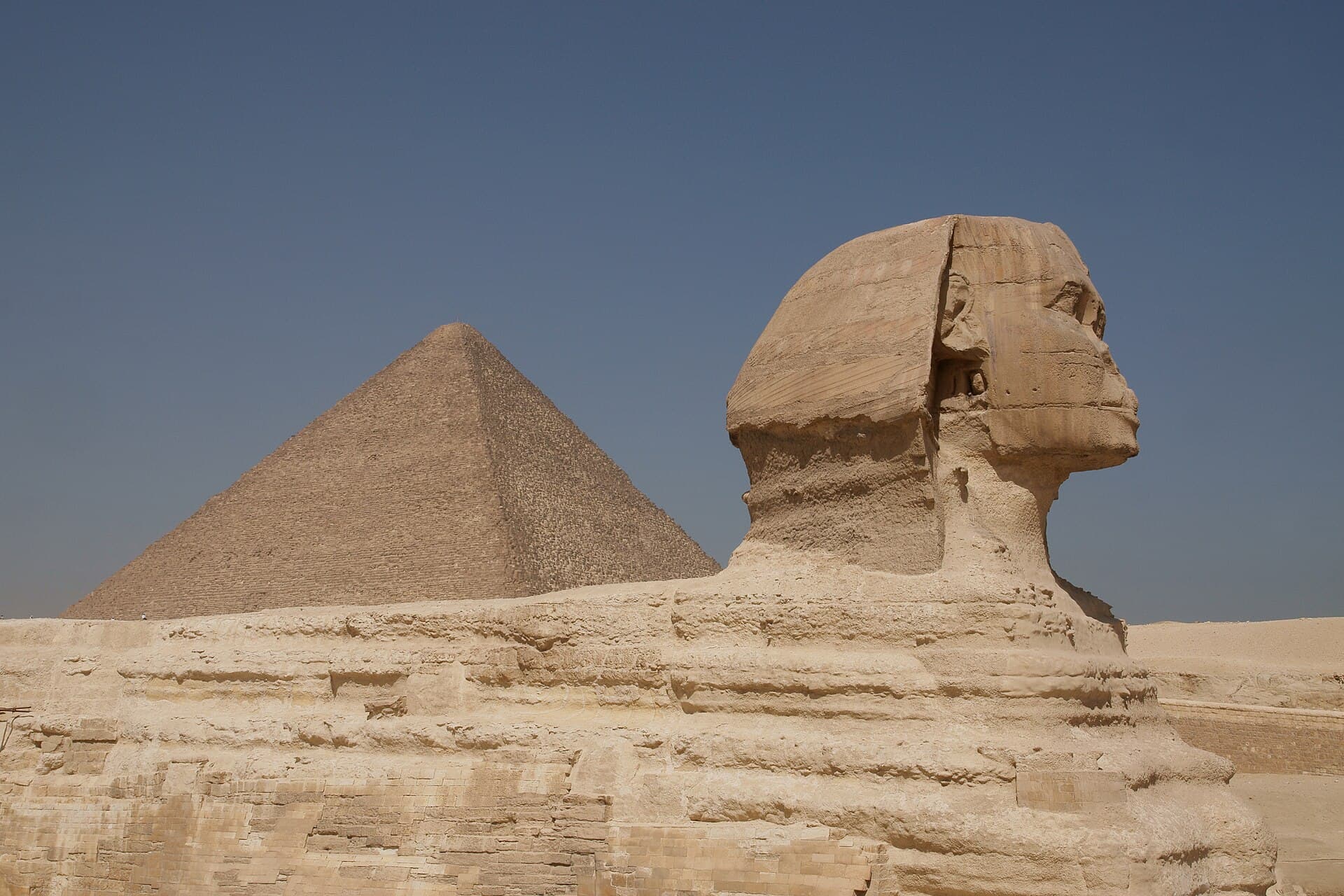
Abu Dhabi Travel Guide for First-Time Visitors
Plan your first Abu Dhabi trip with practical advice on where to stay, getting around, food, key sights, safety, and a simple first-time itinerary.

Abu Dhabi rewards first-time visitors who plan with restraint. The city has beaches, palaces, museums, mosque architecture, theme parks, desert trips, big hotels, waterfront promenades, and some very good food, but it is not a place where you casually wander from one headline sight to the next. Distances matter. Heat matters. The difference between Saadiyat, Yas, the Corniche, and the city centre matters.
This Abu Dhabi travel guide is for travelers who want the practical version: where to stay, which areas actually fit which trip, how to get around without bleeding time, what to prioritize, where food gets more interesting, what safety and etiquette look like, and how to build a simple first itinerary that does not turn into a taxi-based endurance sport.
**Quick answer:** First-time visitors should usually stay around the Corniche/Al Bateen for the easiest city base, Saadiyat Island for beach and culture, or Yas Island for theme parks and airport convenience. Use taxis and Careem for most point-to-point sightseeing, add the free visitor shuttle where routes line up, and group each day by area.
Quick Facts
- {'label': 'Best first-time base', 'value': 'Corniche, Al Bateen, or central waterfront for the easiest city balance'}
- {'label': 'Best beach/culture base', 'value': 'Saadiyat Island'}
- {'label': 'Best family/theme-park base', 'value': 'Yas Island'}
- {'label': 'Best trip length', 'value': '3-4 days for most first-time visitors'}
- {'label': 'Getting around', 'value': 'Taxis and Careem first; visitor shuttle when routes line up'}
- {'label': 'Main planning rule', 'value': 'Group days by zone: Corniche/palace, Saadiyat, Grand Mosque, Yas'}
- {'label': 'Best weather window', 'value': 'November through April'}
Table of Contents
- 1.Is Abu Dhabi a good first-time destination?
- 2.Where to stay in Abu Dhabi
- 3.Getting around Abu Dhabi without wasting time
- 4.What to prioritize on a first visit
- 5.Culture, history, and museums without overloading the trip
- 6.Yas Island and family/theme-park planning
- 7.Food in Abu Dhabi: where the trip gets better
- 8.Safety, dress, etiquette, and practical tips
- 9.A simple Abu Dhabi itinerary for first-time visitors
- 10.Best time to visit Abu Dhabi and how to find better value
Is Abu Dhabi a good first-time destination?
Abu Dhabi is a good first-time destination if you want a polished, safe, warm-weather city with serious cultural landmarks and easier pacing than Dubai. It is especially good for couples, families, stopover travelers, winter-sun trips, museum lovers, beach-and-culture trips, and anyone who wants the UAE with fewer mega-city theatrics.
It is not ideal if you want a cheap backpacker city, dense nightlife, fully walkable neighbourhood wandering, or a place where public transport can carry the whole trip. Abu Dhabi is calmer than Dubai, but that calm comes with spread-out geography. You will have a smoother visit if you accept taxis as part of the budget.
The city’s best first-trip shape is simple: one mosque/palace/culture day, one Saadiyat or beach day, one Yas or family-entertainment day if that suits you, and one slow waterfront or food-focused evening. The mistake is treating Abu Dhabi like a checklist of isolated attractions. That gives you plenty of receipts and very little sense of the place.
Where to stay in Abu Dhabi
The best area to stay in Abu Dhabi depends on your trip style more than any universal “best neighbourhood.” Pick your base by evening rhythm, not just by daytime sightseeing.
Corniche, Al Bateen, and central Abu Dhabi: best all-round base
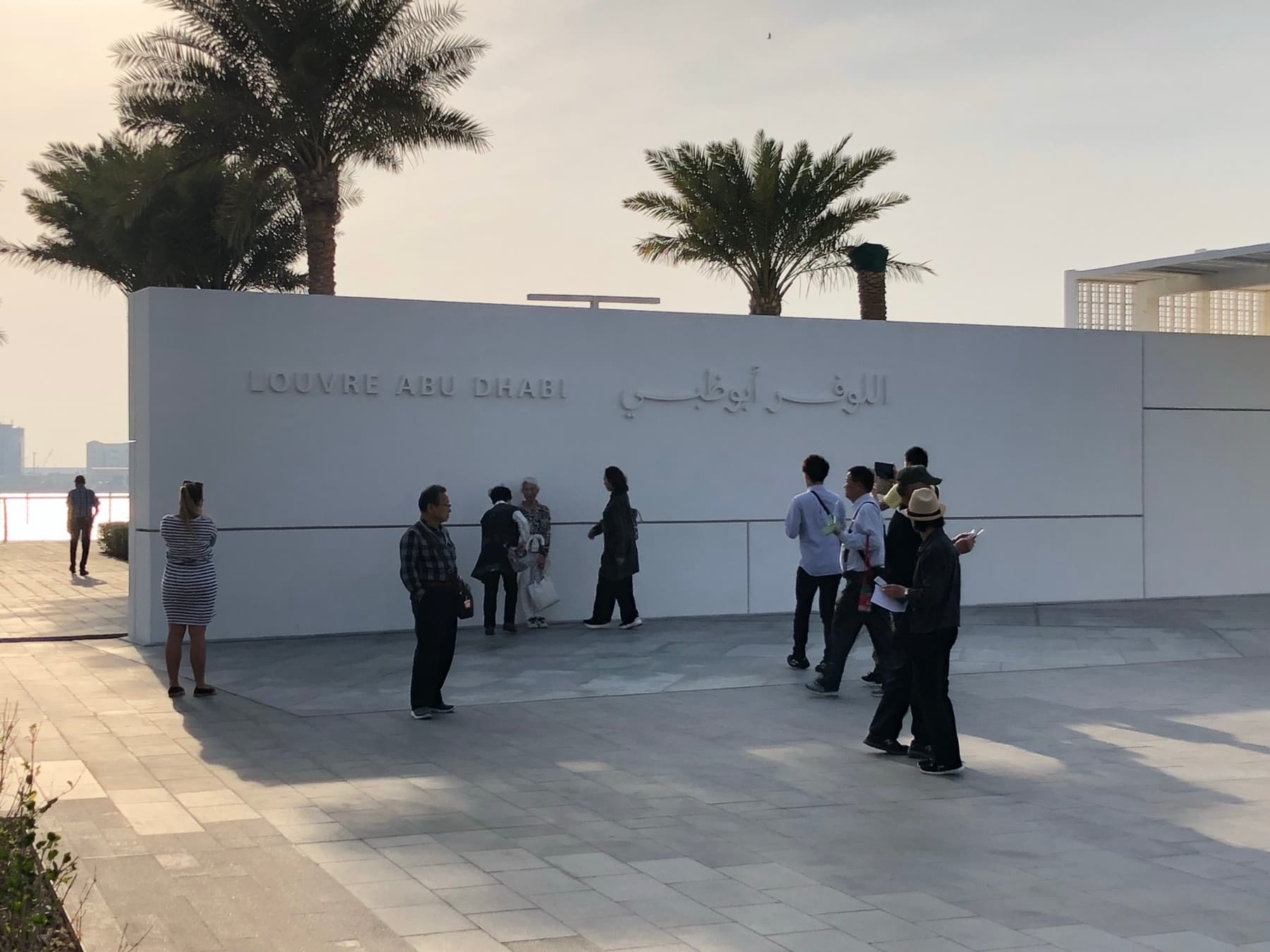
Stay near the Corniche, Al Bateen, or the central waterfront if you want the easiest first-time balance. This puts you near the beach promenade, Qasr Al Watan, Emirates Palace, city restaurants, malls, and straightforward taxi access to the Grand Mosque, Saadiyat, and Yas.
The tradeoff is that “central” Abu Dhabi still does not mean compact. You may have walkable pockets, but your sightseeing days will still use rides. Choose this area if you want Abu Dhabi to feel like a real city rather than a resort campus.
Saadiyat Island: best for beach, Louvre Abu Dhabi, and a slower trip
Saadiyat is the best base if beach quality and culture are the point. Louvre Abu Dhabi, Manarat Al Saadiyat, Mamsha Al Saadiyat, and the island’s resorts make it feel more refined and less hurried than the city centre. It works beautifully for couples, beach-focused travelers, and anyone who wants mornings by the water with a museum day built in.
The tradeoff is price and separation. Saadiyat is not where you stay to save money or eat your way through local neighbourhoods. You will taxi into the city for the mosque, palace, and more varied food.
Yas Island: best for theme parks, F1, families, and airport convenience
Yas Island is the right base when Ferrari World, Warner Bros. World, Yas Waterworld, SeaWorld, Yas Marina Circuit, concerts, or a family resort trip are central to the plan. It is close to Zayed International Airport and designed for entertainment.
The tradeoff is obvious once you leave the island: Yas is not central for the Corniche, Qasr Al Watan, older city areas, or Saadiyat culture. Stay here deliberately, not because it looked convenient on a map.
Al Maryah, Al Reem, and Al Zahiyah: useful modern city bases
These areas can work well if you find a good hotel deal and want malls, business-district polish, restaurants, and practical taxi access. They are less “classic postcard Abu Dhabi” than the Corniche, but they can be comfortable and efficient.
For a first trip, check the exact hotel location. A good hotel in a car-oriented pocket can still leave you eating room-service fries because the map promised “nearby restaurants” and forgot to mention roads built like moats.
Getting around Abu Dhabi without wasting time
Abu Dhabi is easiest when you use taxis as the default and public transport as a bonus, not the backbone. Official tourism guidance lists taxis, buses, rental cars, bikes, the visitor shuttle, Yas Express, and abra cruises as options, but most short-stay visitors will rely on taxis and rideshare for efficiency.
Metered Abu Dhabi taxis are common, regulated, and easy to recognize. Uber and Careem also operate widely. The free Experience Abu Dhabi Shuttle Bus can be useful because it connects visitor areas such as Yas Island, Saadiyat Island, the city centre, and Grand Canal routes, but it only helps when your hotel, ticket, route, and timing line up.
Use this rule:
- **Taxi/Careem:** Grand Mosque, Qasr Al Watan, Saadiyat, Yas, airport transfers, dinner hops, and hot daytime movement. - **Free visitor shuttle:** useful for attraction-to-attraction movement when the route fits your day. - **Public buses:** possible, cheap, and improving, but not the easiest first-visit tool if time is short. - **Rental car:** useful for Al Ain, desert resorts, multi-emirate trips, or travelers comfortable with UAE driving and parking. - **Walking:** Corniche stretches, Mamsha Al Saadiyat, Yas Marina, Al Qana, malls, and short evening pockets.
The main planning mistake is underestimating the distance between “Abu Dhabi attractions.” The Grand Mosque, Saadiyat, Qasr Al Watan, Yas, and the Corniche are not clustered like an old European centre. Group by zone and the trip feels smooth. Zigzag all day and the city quietly becomes a spreadsheet of transfer times.
What to prioritize on a first visit
The Sheikh Zayed Grand Mosque should be at or near the top of a first Abu Dhabi trip. It is free to enter, architecturally extraordinary, and one of the few sights that genuinely changes the feel of the visit. Plan it properly: book or check the current visitor process, dress correctly, and avoid treating it as a five-minute stop between rides.
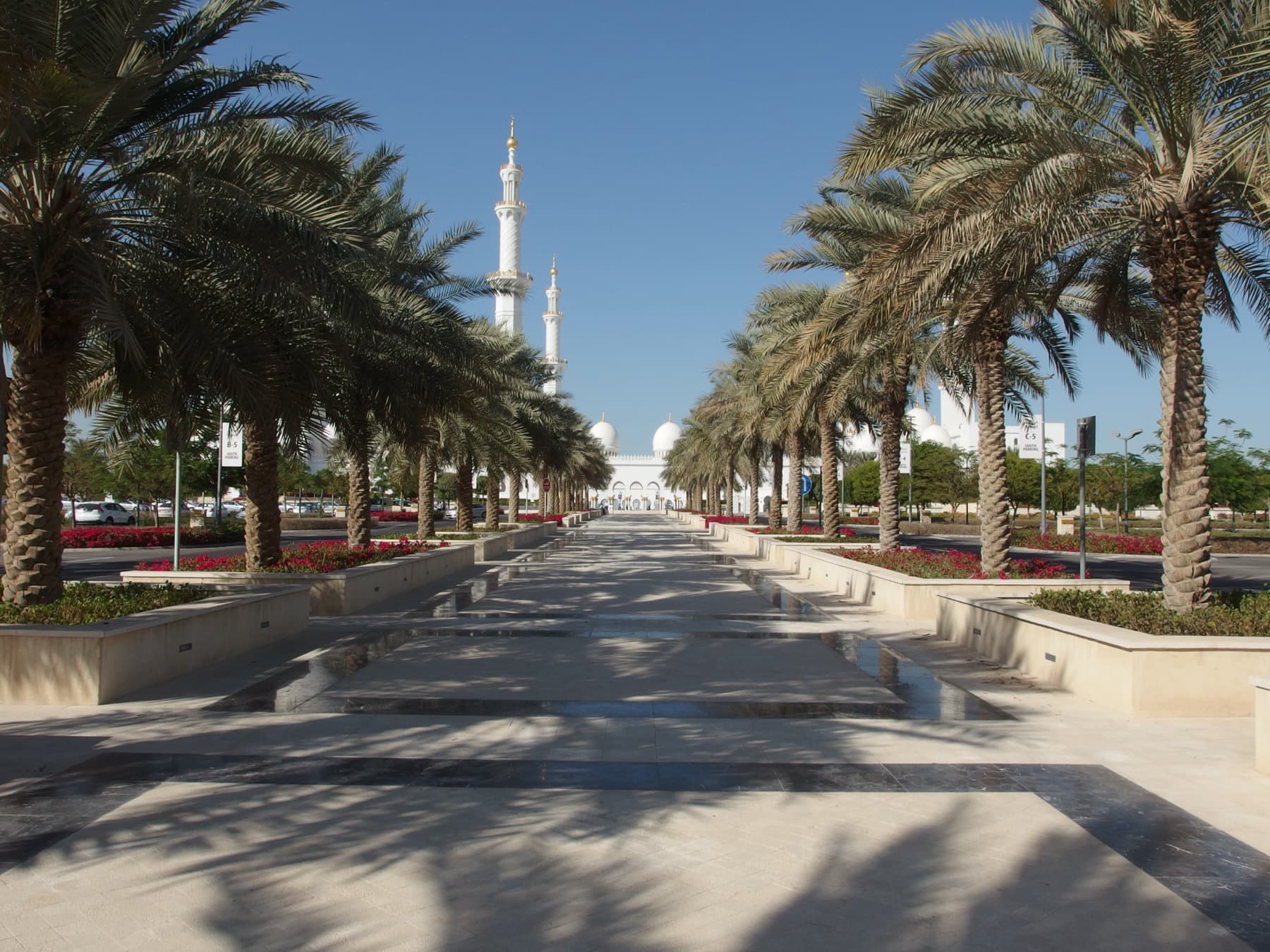
Late afternoon into evening is often the strongest time if your schedule works. The white marble looks different as the light changes, and the visit can pair naturally with Wahat Al Karama or Al Qana. Fridays require extra attention because visitor access around prayer times can be restricted.
Beyond the mosque, prioritize one palace/government-culture stop, one Saadiyat museum or beach block, and one waterfront evening. That gives the trip range without turning every day into attraction sampling.
Good first-time priorities:
- Sheikh Zayed Grand Mosque for architecture and cultural context. - Qasr Al Watan for palace scale and UAE state identity. - Louvre Abu Dhabi for Saadiyat’s cultural side and the building itself. - Corniche or Al Bateen for waterfront walking and a calmer city feel. - Yas Island if theme parks, F1, or family entertainment actually matter to your group. - A desert or mangrove/kayak experience only if it fits your pace.
Do not buy every premium ticket because a pass makes it look efficient. Abu Dhabi is good at selling large, glossy experiences. Your job is to choose the ones that make the trip better, not prove you can convert daylight into barcodes.
Culture, history, and museums without overloading the trip
Abu Dhabi’s cultural sights are strongest when you give them space. The Grand Mosque, Qasr Al Watan, Louvre Abu Dhabi, Qasr Al Hosn, and Saadiyat Cultural District do not belong in one frantic museum-palace-mosque relay.
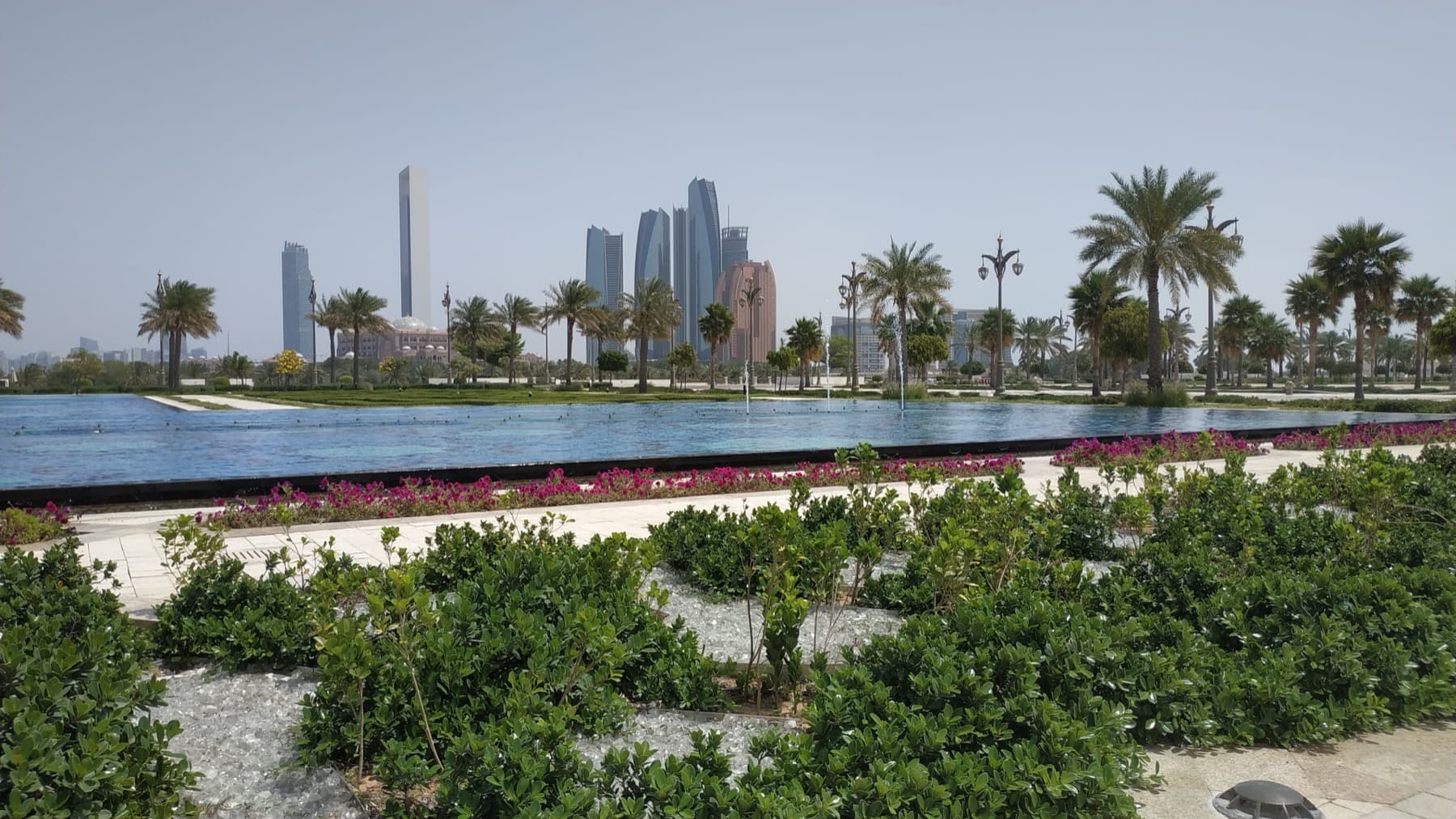
A good first cultural day might be Qasr Al Watan plus the Corniche and Emirates Palace area, with dinner nearby. Another good day might be Louvre Abu Dhabi plus Saadiyat beach or Mamsha Al Saadiyat. The Grand Mosque can sit on its own late-afternoon block or pair with Al Qana.
Qasr Al Hosn is worth considering if you want the older city story rather than only the monumental modern version. It helps balance a trip that otherwise risks becoming marble, domes, towers, and air-conditioned grandeur. Abu Dhabi has real heritage, but first-timers often miss it because the giant buildings are better at shouting.
Yas Island and family/theme-park planning
Yas Island is excellent when you want entertainment. It has the theme parks, Yas Marina Circuit, Yas Mall, hotels, resorts, arenas, and enough infrastructure to keep families busy without crossing the city every few hours.
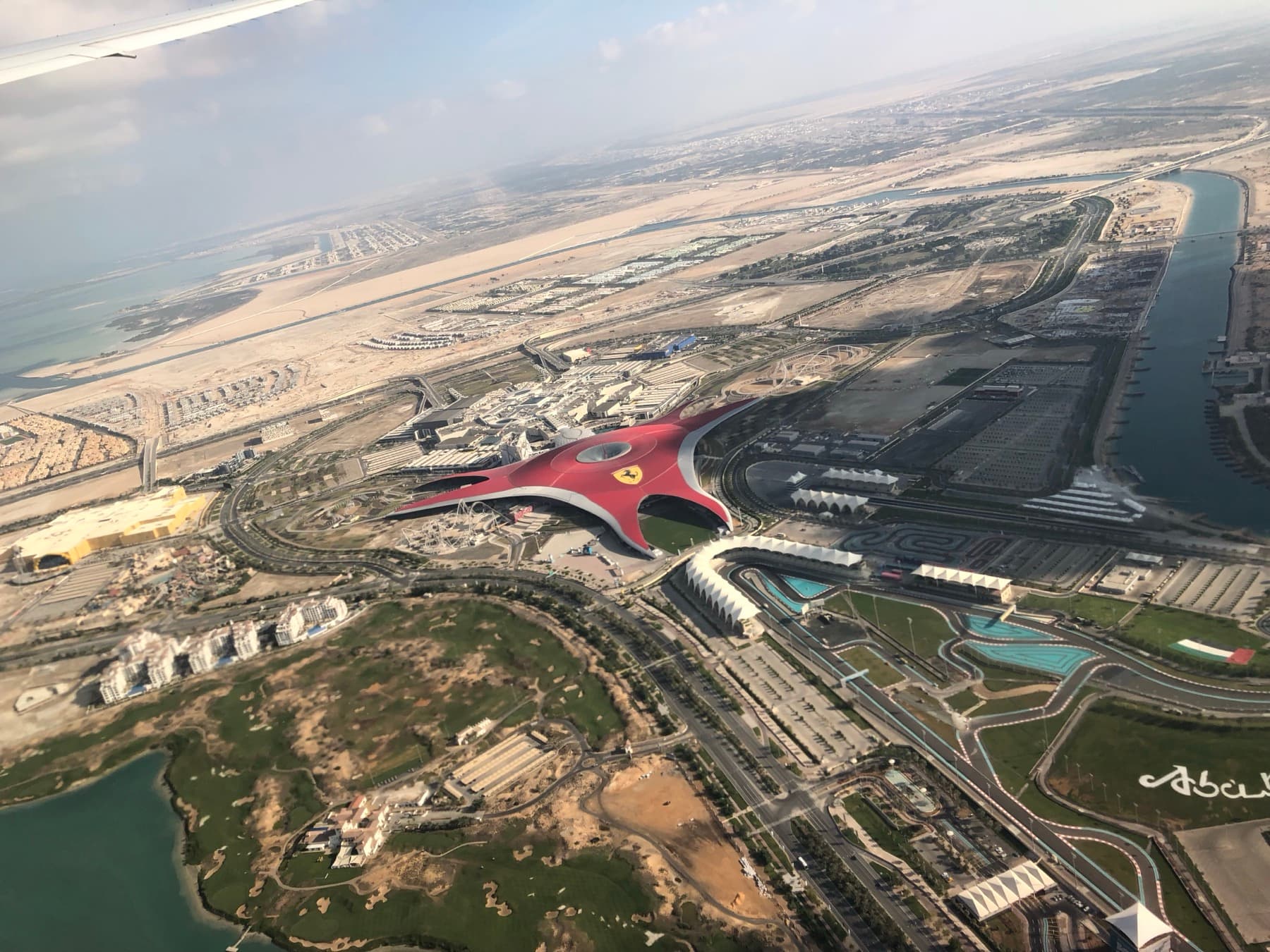
For families, Yas can be the whole point of Abu Dhabi. Stay there, do the parks, use the island shuttles where relevant, and add one city day for the Grand Mosque or Louvre. That version of the trip makes sense.
For culture-first travelers, Yas is optional. Ferrari World is not a moral obligation. If roller coasters and branded indoor worlds are not your thing, do not sacrifice Saadiyat, Qasr Al Watan, or a better dinner just because every Abu Dhabi list insists you “must” go.
If you are using Abu Dhabi as a stopover, Yas is convenient because it sits close to the airport. If you are planning a city trip, its airport convenience can become sightseeing inconvenience. That is the tradeoff.
Food in Abu Dhabi: where the trip gets better
Abu Dhabi food is strongest when you mix Emirati, Levantine, South Asian, hotel dining, and waterfront meals instead of eating only in malls and resort restaurants. The official Emirati Cuisine Programme is useful because it pushes local dishes such as machboos, harees, madrooba, rice, dried lime, saffron, and spice-driven coastal flavors into places visitors can actually find.
For practical eating, think in areas:
- **Corniche, Al Bateen, and central hotels:** polished dinners, cafes, waterfront meals, hotel restaurants, and easy evenings. - **Madinat Zayed, Electra, Hamdan, and older central pockets:** more local-feeling restaurants, South Asian food, cafeterias, bakeries, and better value. - **Al Maryah and Reem:** modern dining, malls, business-district restaurants, and comfortable indoor options. - **Saadiyat:** resort dining, Mamsha cafes, beach-club meals, and Louvre-adjacent stops. - **Yas:** family-friendly, marina, mall, theme-park, and hotel dining.
A good first-trip food plan is simple: one Emirati meal or hotel restaurant serving local dishes, one Levantine or South Asian casual meal, one waterfront dinner, and one nicer meal if the budget allows. Do not waste every dinner inside the nearest mall because the air-conditioning won the argument.
Alcohol is available in licensed venues, usually hotels, bars, clubs, and some restaurants. It is expensive enough that “just one drink” sometimes arrives dressed as a minor financial event. Budget accordingly.
Safety, dress, etiquette, and practical tips
Abu Dhabi is generally very safe for visitors. The practical issues are less about street danger and more about heat, distance, laws, cultural etiquette, and the gap between resort behaviour and public-space behaviour.
Dress is relaxed in many hotels, beaches, resorts, malls, and tourist areas, but modesty still matters, especially at religious sites, during Ramadan, in older areas, and in family-oriented public places. The Grand Mosque has strict dress requirements: shoulders and knees covered, and women must meet the site’s covering rules. Do not wing this at the entrance.
Practical tips:
- Carry water and use shade seriously from late spring through early fall. - Plan outdoor walks early morning or evening in hotter months. - Check attraction hours close to travel, especially around Ramadan, Eid, holidays, and Friday prayer periods. - Keep beachwear to beaches and pools. - Avoid public drunkenness and aggressive behaviour. - Ask before photographing people closely. - Use hotel names, landmarks, and map pins for taxis; street names are not always enough. - Keep taxi receipts in case you leave something behind. - Book popular museums, mosque visits, and special experiences in advance when timing matters.
Best weather is generally November through April. Summer can bring cheaper hotels, but “cheap” loses its charm when every outdoor plan has to be negotiated with pavement heat. If you visit in summer, make peace with pools, malls, museums, taxis, and evenings.
A simple Abu Dhabi itinerary for first-time visitors
Three full days is enough for a good first Abu Dhabi trip. Four or five days lets you add more beach, Yas, desert, or Al Ain without rushing.
Day 1: Corniche, Qasr Al Watan, and waterfront orientation
Start with the Corniche or Al Bateen area to understand the city’s waterfront shape. Visit Qasr Al Watan, pause around Emirates Palace or the nearby waterfront, and keep dinner in the central/Corniche/Al Bateen area.
This is the “Abu Dhabi as capital city” day: polished, spacious, monumental, and calmer than Dubai.
Day 2: Saadiyat culture and beach
Spend the day around Saadiyat. Visit Louvre Abu Dhabi, give yourself time for the architecture and waterfront setting, then add Mamsha Al Saadiyat, a beach block, or a resort meal depending on budget.
Do not stack Yas, the Grand Mosque, and Saadiyat into the same day unless you enjoy paying for transport while muttering at your calendar.
Day 3: Grand Mosque plus Al Qana or Yas Island
Use late afternoon or early evening for Sheikh Zayed Grand Mosque if possible. Pair it with Wahat Al Karama, Al Qana, or a relaxed dinner rather than a distant cross-city add-on.
If you are traveling with children or theme-park fans, make this a Yas day and move the mosque to another morning or evening. Yas deserves a full block if you are paying for major park tickets.
Day 4 or 5: choose your extension
Add a desert resort, mangrove kayaking, a slower food day, Al Ain, more Saadiyat beach time, or a dedicated Yas park day. The right extension depends on the trip you actually want, not what a generic itinerary says is mandatory.
Best time to visit Abu Dhabi and how to find better value
The best time to visit Abu Dhabi for most first-time visitors is November through April, when daytime temperatures are usually comfortable enough for beaches, outdoor walking, mosque visits, and waterfront evenings. December through February can feel especially pleasant, but hotel prices and demand can rise during holidays, events, and peak winter travel.
May, September, and October can work if you tolerate heat and plan carefully. June through August is the hardest period for normal sightseeing. Hotels may look tempting, but the real cost is that your trip becomes indoor-heavy and taxi-dependent.
For better value, compare total trip cost rather than just airfare. A cheaper flight during a big event or winter holiday week can be eaten alive by hotel rates. A slightly pricier flight into a calmer week may produce the better Fare Window.
Use these timing rules:
- Search flexible dates across at least a few departure days. - Check hotel prices before celebrating a cheap flight. - Watch winter weekends, school holidays, UAE public holidays, and major Yas/F1/event periods. - Consider shoulder months if you want better hotel value and can handle warmer days. - Build outdoor-heavy plans only when the weather supports them.
Abu Dhabi is at its best when the trip feels spacious. Choose the right base, accept the taxi reality, prioritize fewer better experiences, and leave room for the city’s slower waterfront rhythm. That is the difference between a first trip that feels expensive and one that feels genuinely well planned.
Let Fare Window find the best fares for your next trip.
Track routes, watch price changes, and get smarter alerts before you book.
Start tracking faresKeep planning
Related travel guides
Explore more first-time destination guides while you compare routes, seasons, and trip shapes.