Cairo Travel Guide for First-Time Visitors
Plan your first Cairo trip with practical advice on where to stay, getting around, food, Giza, museums, safety, timing, and a simple itinerary.
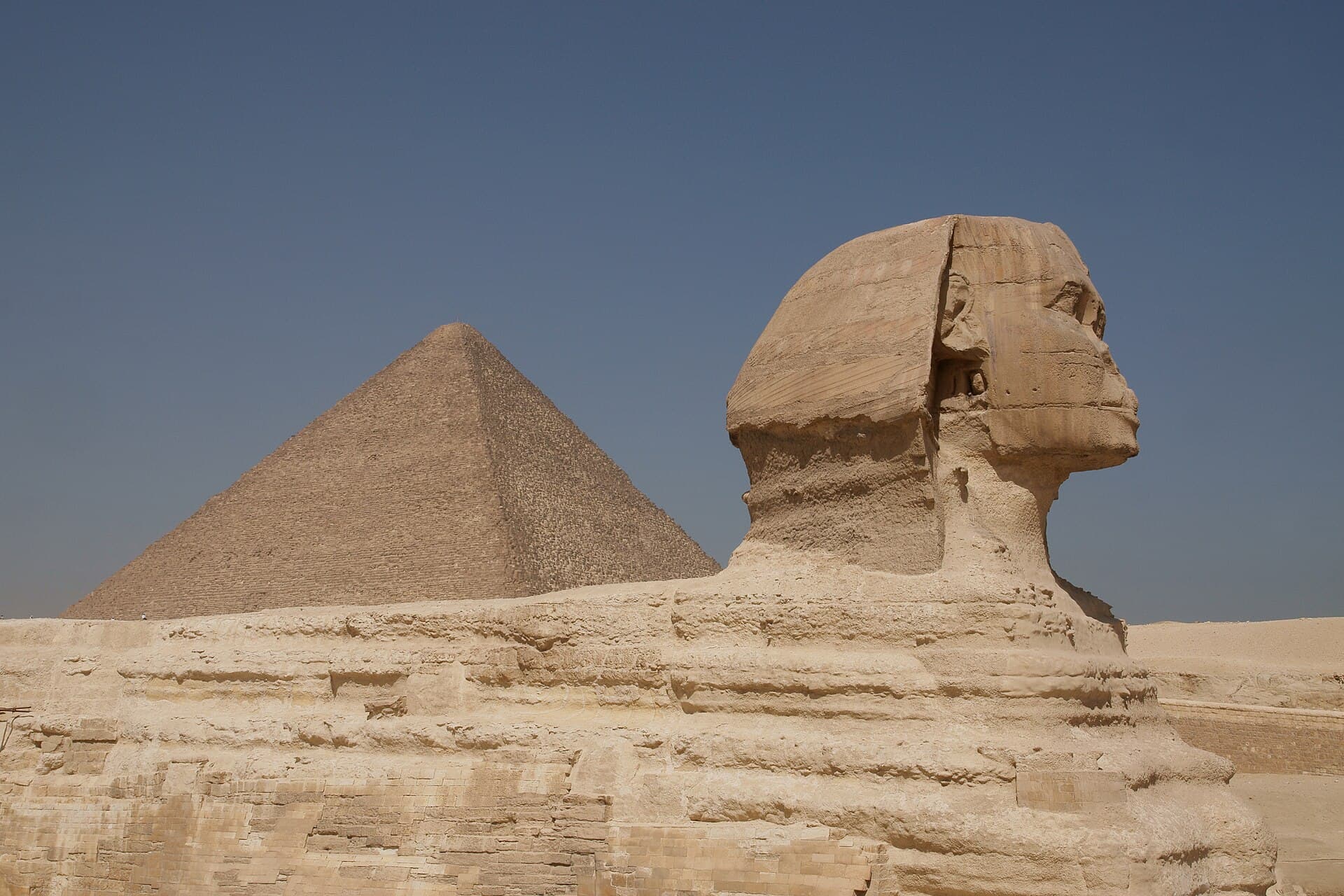
Cairo is worth visiting for first-time travelers who want one of the world's great history trips and are willing to trade polish for scale, noise, heat, and a little friction. This is not a city you "figure out" in an afternoon. It is a giant, layered, impatient capital where the Pyramids sit beside a modern museum complex, old mosques and markets still shape whole neighborhoods, and traffic treats lane markings like a loose personal suggestion.
The best first Cairo trip is usually **3 to 4 full days**. That gives you time for the Giza Pyramids, the Grand Egyptian Museum, Islamic Cairo, Coptic Cairo or the National Museum of Egyptian Civilization, one slower food-and-market evening, and enough recovery time that you do not turn the whole visit into archaeology with a pulse. If you have only two days, stay ruthlessly focused: Giza/GEM on one day, historic Cairo plus one museum on the other.
**Quick answer:** First-time visitors should usually stay in Zamalek for the easiest hotel base, Downtown for old Cairo energy and museum access, Garden City for a calmer central base, or Giza only if the Pyramids and Grand Egyptian Museum are the whole point. Use ride-hailing for most trips, the metro for specific station-to-station routes, and a guide or driver for Giza if you dislike negotiation theater. Cairo rewards planning, but overpacking it is how good trips become hot administrative hearings.
Quick Facts
Table of Contents
- 1.Is Cairo worth visiting for first-time travelers?
- 2.Best time to visit Cairo
- 3.Where to stay in Cairo
- 4.Getting around Cairo without wasting half the trip
- 5.Food, markets, and how to eat well in Cairo
- 6.Best things to do on a first visit
- 7.A simple 3-day Cairo itinerary
- 8.Safety, money, dress, and practical tips
- 9.How to time your Cairo trip for better value
Quick facts for first-time visitors
- **Best for:** ancient history, museums, Islamic architecture, big-city energy, food, markets, photography, Nile views, and travelers who like cities with texture - **Less ideal for:** quiet luxury-only trips, travelers who hate heat or traffic, nervous first-time international travelers, beach-first vacations, and anyone expecting a tidy European-style city break - **Best trip length:** 3 full days for the classic first visit; 4 days if you want Giza, GEM, Islamic Cairo, Coptic Cairo, and meals without rushing - **Best areas to stay:** Zamalek, Downtown, Garden City, Giza near the pyramid plateau/GEM, and New Cairo only for business or specific hotel reasons - **Getting around:** ride-hailing for most visitor trips, metro for useful station-to-station routes, private driver or guide for Giza/Saqqara/Dahshur, and walking only inside compact neighborhoods - **Best time to visit:** November through March for cooler weather; October and April can work; May through September is harder unless you plan around heat - **Food reality:** Cairo's best eating is not just hotel buffets and pyramid-view dinners; plan for koshary, grilled meats, mezze, bakeries, juices, and at least one neighborhood meal away from the most obvious tourist zones - **First-timer mistake:** treating Cairo like a list of monuments instead of a logistics puzzle with heat, distance, ticket timing, and traffic baked into every decision
Table of contents
1. Is Cairo worth visiting for first-time travelers? 2. Best time to visit Cairo 3. Where to stay in Cairo 4. Getting around Cairo without wasting half the trip 5. Food, markets, and how to eat well in Cairo 6. Best things to do on a first visit 7. A simple 3-day Cairo itinerary 8. Safety, money, dress, and practical tips 9. How to time your Cairo trip for better value
Is Cairo worth visiting for first-time travelers?
Yes - Cairo is worth visiting if the Pyramids, ancient Egypt, Islamic architecture, living street culture, and a serious museum trip are the reason you travel. Few cities can put the Giza Plateau, the Grand Egyptian Museum, the Egyptian Museum in Tahrir, the royal mummies at the National Museum of Egyptian Civilization, medieval mosques, Khan el-Khalili, and the Nile into one itinerary.
The tradeoff is that Cairo is not relaxing by default. It is loud, dusty in places, crowded, and logistically uneven. Traffic can distort distance. Sidewalks appear and disappear like they had a difficult childhood. At Giza, the monuments are extraordinary, but the sales pressure around them can wear down travelers who arrive without a plan.
Cairo works best for first-timers who are curious, flexible, and willing to use structure. Book key sights ahead when possible, group your days by geography, and leave dead space between major stops. The city is much more enjoyable when you stop pretending you can move through it like Google Maps is a constitutional document.
> **Quick answer block:** Cairo is best for travelers who want history, museums, architecture, markets, food, and a big urban experience. It is less ideal for quiet resort travelers, heat-sensitive visitors, or anyone who wants every transfer and interaction to feel frictionless.
Best time to visit Cairo
The best time to visit Cairo is usually **November through March**, when temperatures are cooler and long outdoor sightseeing days are less punishing. December, January, and February are the easiest months for the Pyramids, Islamic Cairo, Coptic Cairo, and market wandering, though winter evenings can be cooler than people expect.
October and April can be good shoulder months, especially if you start early and avoid the hottest parts of the afternoon. They are better than peak summer for most first-timers, but still require sensible pacing.
May through September is the hard mode version of Cairo. It can still be done, especially if Egypt is part of a larger trip you cannot move, but you should plan like heat is an itinerary item. Put outdoor sights early, schedule museums and hotel breaks midday, carry water, and avoid pretending the Giza Plateau at noon is a character-building exercise. Character is overrated when your shoes are melting.
Ramadan can be interesting but changes the rhythm of the city. Daytime meals may require more planning, traffic and evenings can shift, and iftar time affects movement. It is not a reason to avoid Cairo, but first-timers should understand that the schedule will feel different.
Where to stay in Cairo
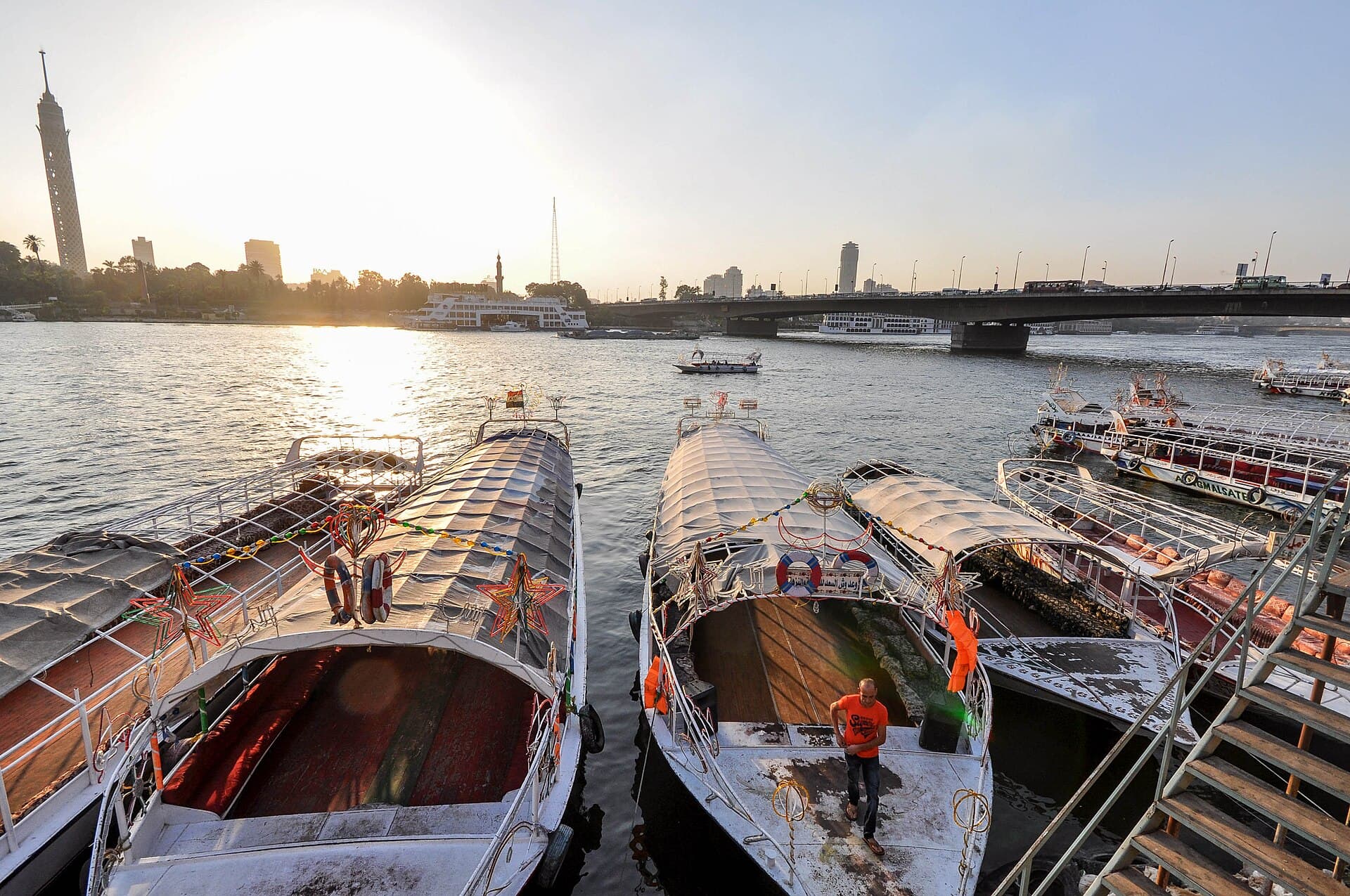
The best place to stay in Cairo for most first-time visitors is **Zamalek**. It is central enough, calmer than Downtown, full of hotels and restaurants, and practical for Nile views, the Cairo Opera House area, and rides across the city. It will not put you next door to every sight, but nothing in Cairo does. Zamalek's advantage is that it gives you a softer landing after dense sightseeing days.
Zamalek
Choose Zamalek if you want the best balance of comfort, restaurants, Nile-side hotels, and central access. It is especially good for couples, solo travelers, and first-timers who want Cairo energy without sleeping in the middle of the loudest streets.
The downside is traffic. Crossing from Zamalek to Giza, Islamic Cairo, or the airport can take longer than the map suggests. Still, for most travelers, the better evening atmosphere and hotel options are worth it.
Downtown and Tahrir
Downtown works if you want historic city atmosphere, access to the Egyptian Museum, budget and midrange hotels, cafes, and a more intense Cairo base. It is useful for travelers who like walking through older urban centers and do not mind noise, crowds, and a slightly worn texture.
The tradeoff is comfort. Downtown can feel chaotic, especially at night or during traffic peaks. Pick the exact hotel carefully, not just the neighborhood label.
Garden City
Garden City is a quieter central option near the Nile and south of Downtown. It suits travelers who want a calmer hotel base with central access, especially if they are using ride-hailing for most movement.
It has less everyday restaurant-and-bar energy than Zamalek, but it can feel more composed after a long day.
Giza
Stay in Giza if pyramid views, the Giza Plateau, and the Grand Egyptian Museum are the main event. This can be smart for one night, especially if you want sunrise or early access to the plateau.
For a whole Cairo stay, Giza is less convenient for Islamic Cairo, Downtown, Coptic Cairo, and Zamalek evenings. Some pyramid-view hotels are memorable; some are just hotels with a view and a lot of tour sales nearby. Choose carefully.
New Cairo
New Cairo is usually not the right base for a classic first Cairo trip unless you are there for business, visiting someone, or choosing a specific resort-style hotel. It is cleaner and calmer in parts, but far from the historic core. For sightseeing, that distance becomes a daily tax.
> **Quick answer block:** Stay in Zamalek for the best all-around first-timer base, Downtown for old-city energy and the Egyptian Museum, Garden City for calm central hotels, and Giza only if pyramid/GEM access matters more than citywide convenience.
Getting around Cairo without wasting half the trip
The easiest way for most visitors to get around Cairo is a mix of ride-hailing, occasional metro rides, and private drivers for pyramid-region day trips. Do not rent a car for a first Cairo trip. That is not travel planning; that is signing up for an unpaid internship in urban combat.
Ride-hailing apps such as Uber and Careem are usually the most practical option for visitors because the price is set, the destination is clear, and you avoid most street-taxi negotiation. They are not perfect - traffic is traffic - but they reduce friction.
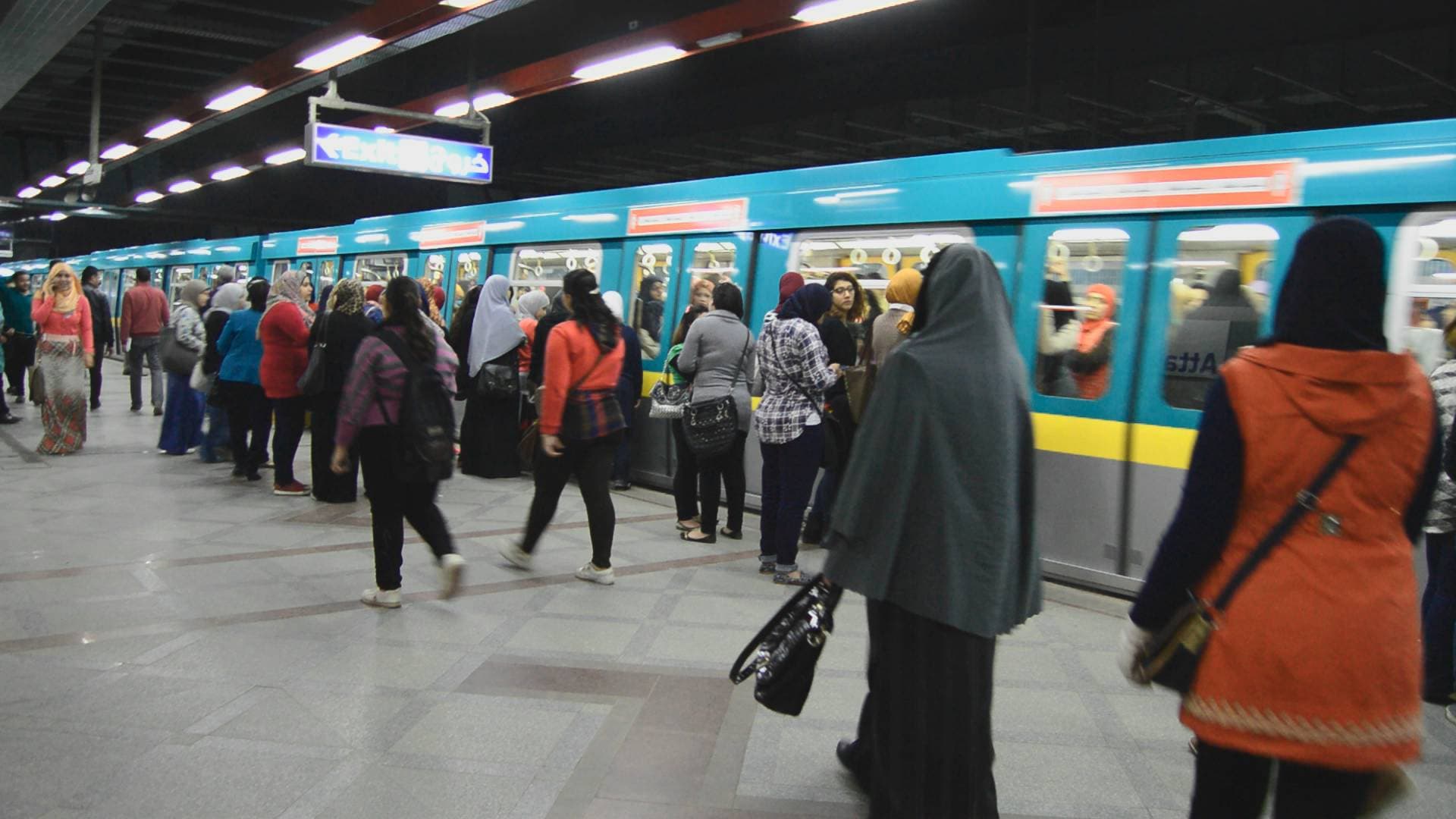
The Cairo Metro is useful for specific routes, especially when stations line up with your hotel and destination. It is cheap, faster than traffic in some corridors, and a good option for confident travelers. It is not the solution for every visitor route, because many sights still require a walk or onward ride from the station.
For Giza, Saqqara, Dahshur, and Memphis, use a reputable guide, driver, or organized day trip unless you are very comfortable managing logistics. The monuments are spread out, and the day goes better when you are not negotiating transport every time you turn around.
Walking is neighborhood-specific. Walk within Zamalek, Downtown pockets, Khan el-Khalili/Islamic Cairo, Coptic Cairo, museum grounds, and parts of the Nile corniche. Do not assume you can comfortably walk between major zones just because they look close on a map. Cairo's bridges, heat, traffic, and sidewalk reality have different opinions.
For the airport, arrange a hotel transfer, ride-hailing pickup, or official taxi depending on your comfort level and arrival time. After a long flight, saving a few dollars is rarely worth turning baggage claim into a sociology experiment.
Food, markets, and how to eat well in Cairo
The best Cairo food plan mixes one classic Egyptian casual meal, one market or old-city stop, one grilled-meat or mezze dinner, and a few lighter snacks, juices, or bakeries. Do not spend the whole trip eating in hotels because you are tired from monuments. Cairo's food is one of the reasons to be here.
Start with **koshary**: rice, lentils, pasta, chickpeas, crispy onions, tomato sauce, and garlic/chili sauce. It is cheap, filling, and very Cairo. Also plan for **ful medames**, **taameya** (Egyptian falafel), grilled kofta or kebab, **molokhia**, fresh baladi bread, mezze, and juice stands.
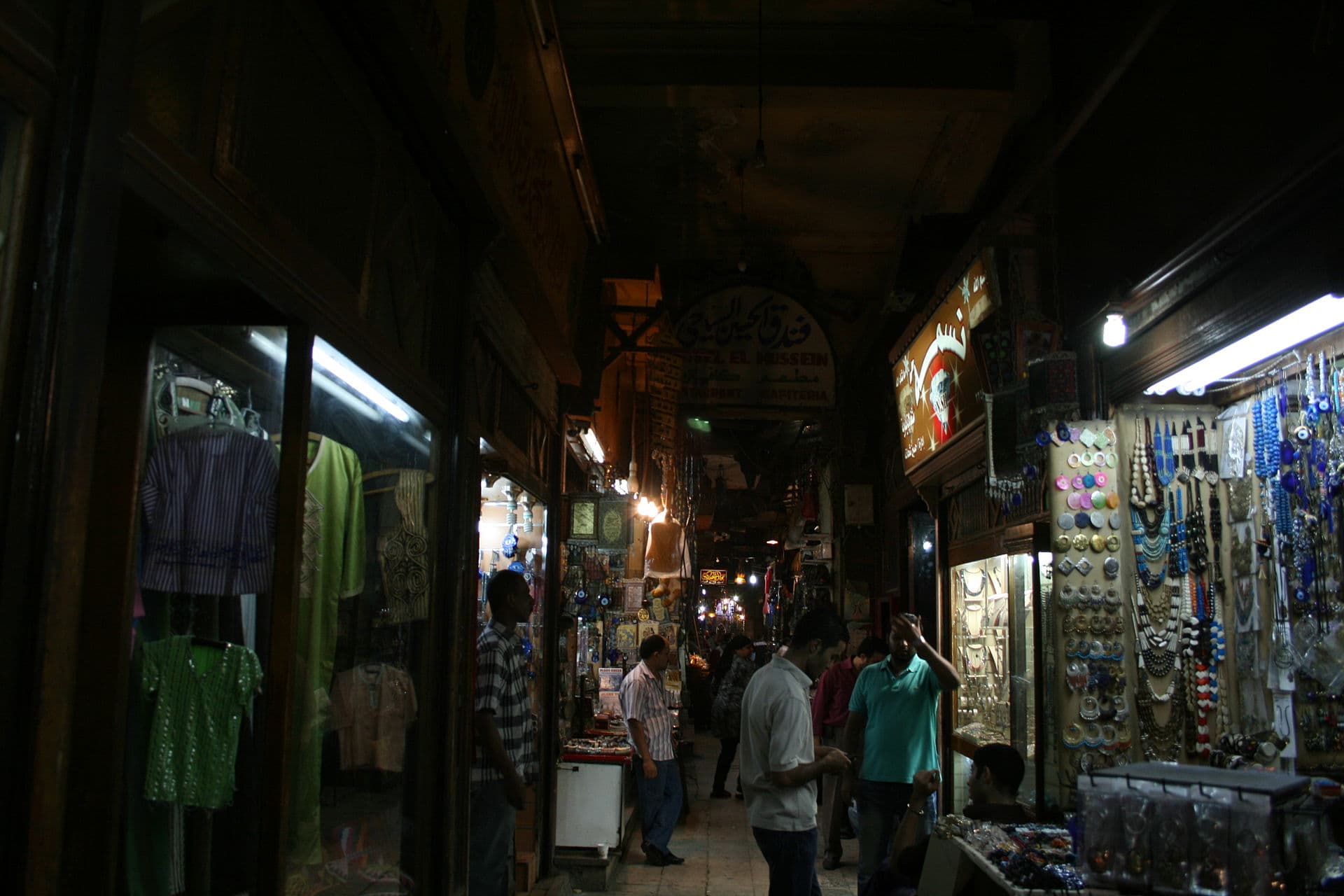
Khan el-Khalili is touristy, but still worth doing if you use it correctly. Go for the old-city atmosphere, lanes, lamps, spices, coffeehouse stops, and the walk around Islamic Cairo. Do not treat every quoted price as a moral crisis. Bargaining is part of the market, but if you hate bargaining, buy less and enjoy the scene.
Downtown has old cafes, casual restaurants, and pastry stops. Zamalek has easier sit-down restaurants, bars in hotels, and a more relaxed evening feel. Islamic Cairo and around Khan el-Khalili are better for atmosphere than polished dining. Giza pyramid-view meals can be memorable, but many trade on the view more than the food.
Food safety is mostly about judgment. Eat where turnover is high, drink bottled water, go easy on raw items if your stomach is cautious, and do not make your first night a heroic street-food decathlon. Nobody medals in vacation gastrointestinal bravery.
> **Quick answer block:** For a first Cairo trip, plan one koshary meal, one old-city/Khan el-Khalili evening, one grilled-meat or mezze dinner, and one easier Zamalek or Downtown restaurant night. Hotel meals are useful backups, not the whole food strategy.
Best things to do on a first visit
The best first Cairo visit should prioritize the Giza Pyramids, the Grand Egyptian Museum, Islamic Cairo, one major old or civilization museum, and one slower neighborhood or food evening. The mistake is trying to stack every ancient, Islamic, Coptic, and modern Cairo sight into three days. Cairo has been collecting history for thousands of years. It does not care about your spreadsheet.
Giza Pyramids and the Sphinx
The Giza Plateau is the non-negotiable first visit. Go early, use a guide if you want context and less hassle, and decide ahead of time whether you care about entering a pyramid, riding a camel, or simply walking the plateau and seeing the Sphinx.
The inside of the Great Pyramid is memorable for some travelers and underwhelming for others: cramped, hot, and more about the experience than visual payoff. If you are claustrophobic, skip it without guilt.
Grand Egyptian Museum
The Grand Egyptian Museum near Giza is now central to Cairo planning. It is close enough to pair with the pyramids, but big enough that it deserves real time. Check the official ticketing channel and hours before you go, especially because time slots, late openings, and package details can change.
For most first-timers, Giza plus GEM is a full day. Trying to add Islamic Cairo afterward is the kind of optimism that ruins dinner.
Egyptian Museum in Tahrir
The Egyptian Museum in Tahrir still matters, even with GEM now reshaping the museum landscape. It is atmospheric, central, and historically important. Depending on current collections and your interests, it can be a shorter complement rather than the main museum anchor.
National Museum of Egyptian Civilization
The NMEC in Fustat is especially useful if the royal mummies are a priority or if you want a broader civilization story beyond pharaonic highlights. It pairs better with Coptic Cairo than with Giza.
Islamic Cairo, Khan el-Khalili, and the Citadel
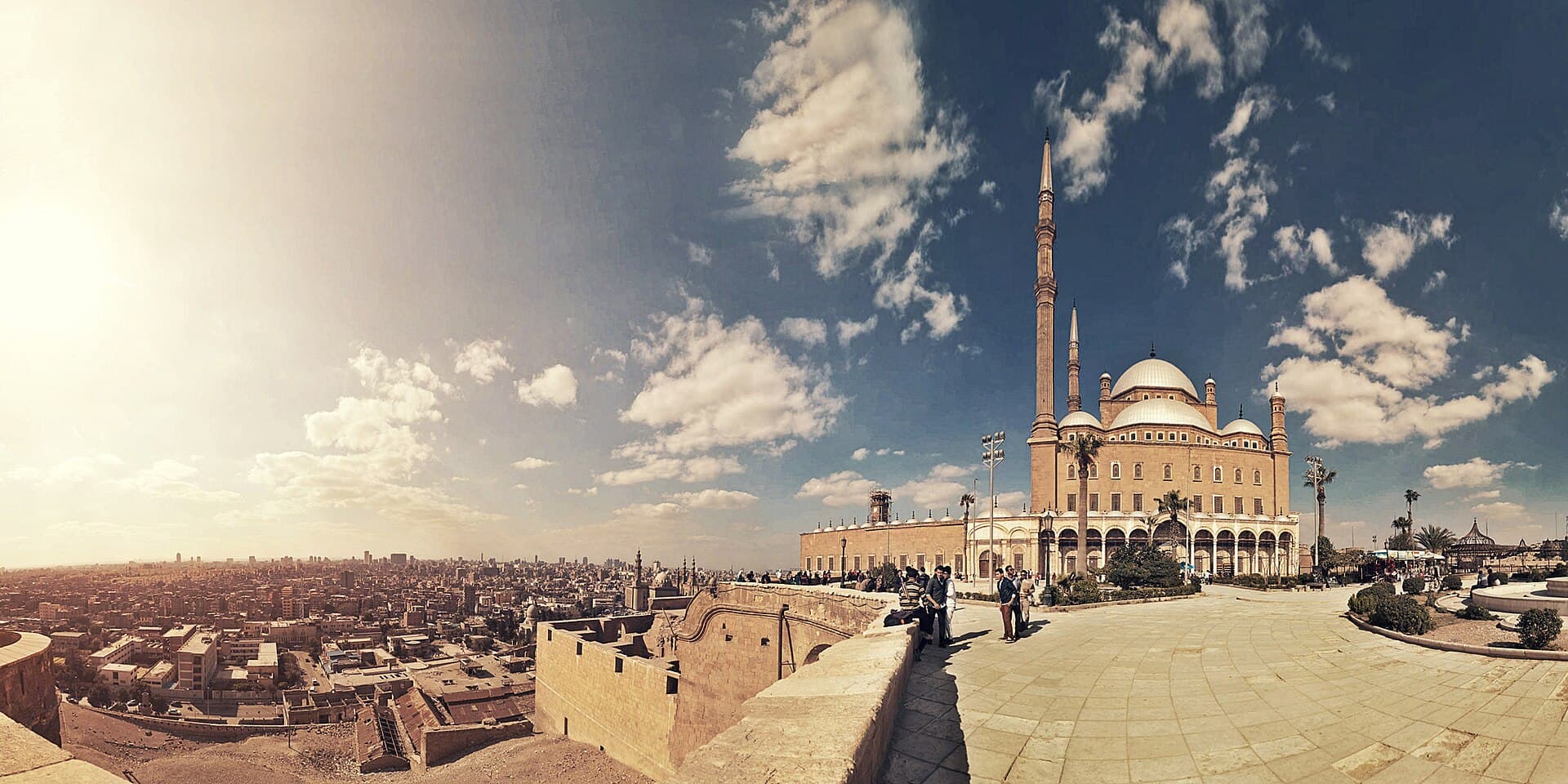
Islamic Cairo is one of the best parts of the city, but it needs time. The Citadel and Mosque of Muhammad Ali give you scale and views. Khan el-Khalili and nearby historic streets give you atmosphere, shopping, coffeehouses, and architecture. If you care about mosques, gates, and medieval Cairo, this should be a half day, not a late-afternoon afterthought.
Coptic Cairo
Coptic Cairo works well as a compact, meaningful section of the trip. It includes churches, lanes, and history that shows Cairo is not only pyramids and mosques. It pairs naturally with the NMEC or a slower southern Cairo day.
A simple 3-day Cairo itinerary
A good 3-day Cairo itinerary groups sights by geography: Giza/GEM, historic Cairo, then museums/neighborhoods. This keeps the trip ambitious without making every transfer a punishment.
Day 1: Giza Pyramids, Sphinx, and the Grand Egyptian Museum
Start early at the Giza Plateau. See the pyramids, viewpoints, and Sphinx before the worst heat and crowds. If you want a camel ride or pyramid interior, decide ahead so the day does not dissolve into on-site negotiation.
After lunch or a break, spend the afternoon at the Grand Egyptian Museum. If you are deeply interested in ancient Egypt, reverse the order or split Giza and GEM across two days. For most visitors, though, this is the cleanest big opening day.
Stay in Giza for dinner only if you want the view. Otherwise, return to Zamalek, Downtown, or your hotel area and keep the evening simple.
Day 2: Islamic Cairo, the Citadel, and Khan el-Khalili
Start with the Citadel and Mosque of Muhammad Ali, then move into Islamic Cairo. Depending on your interest, add Al-Azhar Mosque, Sultan Hassan, Al-Rifa'i, Bab Zuweila, or a guided walk through historic streets.
Leave room for Khan el-Khalili later in the day. It is better as an atmospheric wander than as a rushed shopping chore. Have tea or coffee, browse, bargain lightly if buying, and do not schedule a hard museum appointment immediately after.
Day 3: NMEC or Egyptian Museum, Coptic Cairo, and Zamalek/Downtown
Use the morning for either the Egyptian Museum in Tahrir or the National Museum of Egyptian Civilization. If you choose NMEC, pair it with Coptic Cairo. If you choose Tahrir, pair it with Downtown cafes, Garden City, or a Nile-side break.
Spend the late afternoon and evening in Zamalek or Downtown. Eat properly, walk a manageable area, and let the last night feel like Cairo rather than a bus transfer with dinner attached.
If you have a fourth day
Add Saqqara, Dahshur, and Memphis with a driver or guide. This is the best extension for travelers who want deeper pyramid history beyond Giza. It is also much easier with dedicated transport.
Safety, money, dress, and practical tips
Cairo is generally manageable for first-time visitors who use normal big-city caution, but it deserves more planning than very polished tourist capitals. Check your government's current Egypt travel advisory before departure, avoid restricted areas, and do not assume advice for Red Sea resorts applies to Cairo.
Petty theft can happen in crowded areas, though aggressive sales pressure is often the bigger daily annoyance. Keep bags zipped, use hotel safes for passports when appropriate, and be cautious around major tourist zones, stations, and markets.
At Giza and some tourist-heavy areas, decide in advance what you want: guide, camel, carriage, interior ticket, or none of the above. A firm, polite no is useful. So is walking away. The goal is not to win every negotiation; it is to keep your day from being colonized by small transactions.
Cards work in many hotels and larger restaurants, but keep Egyptian pounds for small purchases, tips, bathrooms, cafes, markets, and drivers. ATMs at banks or hotels are usually better than random machines. Tipping is part of the system, so carry small notes.
Dress is practical and modest. Cairo is not a beach resort. Lightweight, breathable clothes that cover shoulders and knees are useful for mosques, older neighborhoods, and general comfort. Women do not need to cover hair except in specific religious contexts, but modest clothing reduces attention.
Drink bottled water, use sunscreen, wear comfortable shoes, and build breaks into the day. Cairo's problem is not that one sight is exhausting. It is that heat, traffic, dust, bargaining, ticket lines, and museum focus all stack up quietly until everyone in your group starts communicating in sighs.
How to time your Cairo trip for better value
For the best mix of weather and value, look at November, early December, January, February, and early March, avoiding major holiday peaks when possible. Cooler months are more comfortable, but they also attract more visitors, so book good hotels earlier.
If prices are high in Zamalek or central hotels, compare Garden City, Downtown, and carefully chosen Giza properties. Do not move to New Cairo just because the room looks nicer for the price unless you are comfortable paying the distance penalty every sightseeing day.
Flights to Cairo can be better value as part of a wider Egypt route. Cairo pairs naturally with Luxor, Aswan, Abu Simbel, Alexandria, and Red Sea resorts. If you are doing both Cairo and Luxor, resist making Cairo a 36-hour stopover. The city deserves at least two serious days, and three is better.
Book Giza/GEM plans, guides, and hotel transfers ahead if those details matter to you. Cairo is not impossible spontaneously, but the highest-stress parts of the trip are exactly the parts that improve with advance structure.
> **Quick answer block:** For value and comfort, visit Cairo in cooler months outside major holiday peaks, stay central rather than chasing distant hotel discounts, and group Giza/GEM, Islamic Cairo, and museum days separately so traffic does not eat the savings.
FAQ
How many days do you need in Cairo for a first visit?
Most first-time visitors need 3 full days in Cairo. Two days can cover Giza/GEM and one historic Cairo day if you move quickly. Four days is better if you want Saqqara and Dahshur, deeper museums, or less rushed evenings.
What is the best area to stay in Cairo for first-timers?
Zamalek is the best all-around base for most first-time visitors because it is central, calmer, and good for hotels and restaurants. Downtown is better for old-city atmosphere and the Egyptian Museum. Giza is best only when pyramid and GEM access matter more than citywide convenience.
Is Cairo safe for tourists?
Cairo is usually manageable for tourists who use normal caution, arrange sensible transport, avoid restricted areas, and check current government travel advice. The bigger everyday issues are traffic, heat, crowds, sales pressure, and petty scams around major tourist zones.
Can you visit the Pyramids and Grand Egyptian Museum in one day?
Yes, most first-time visitors can visit the Giza Pyramids and Grand Egyptian Museum in one day because they are both on the Giza side of the city. Start early, keep the evening light, and do not add another major Cairo neighborhood unless you enjoy suffering with a receipt.
Let Fare Window find the best fares for your next trip.
Track routes, watch price changes, and get smarter alerts before you book.
Start tracking faresKeep planning
Related travel guides
Explore more first-time destination guides while you compare routes, seasons, and trip shapes.