Doha Travel Guide for First-Time Visitors
Plan your first Doha trip with practical advice on where to stay, neighbourhoods, metro and taxi strategy, food, things to do, safety, timing, and a simple itinerary.
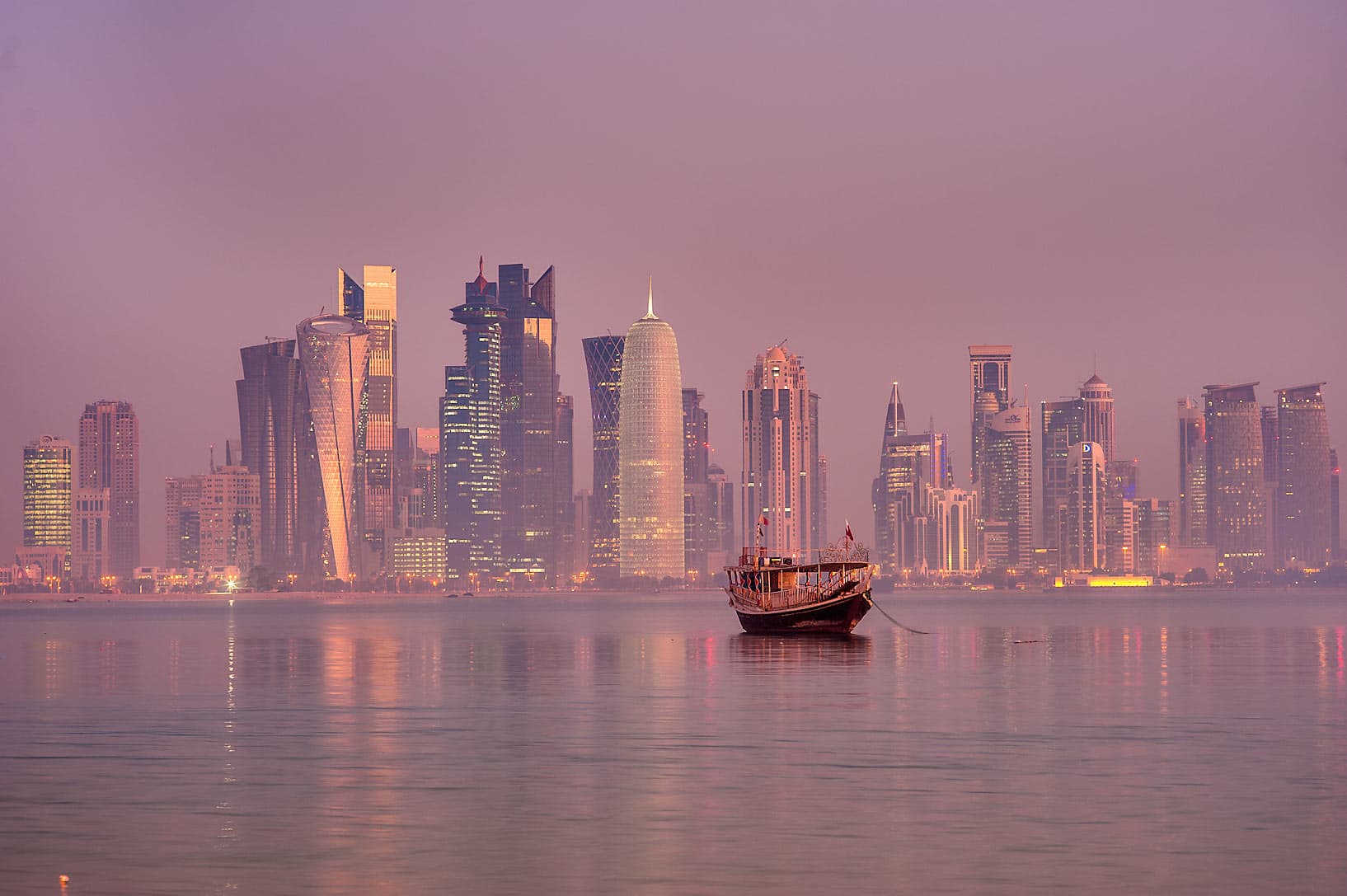
Doha is a good first Middle East city if you want museums, waterfront walks, polished hotels, strong airport access, and enough local texture to make a short trip feel worthwhile without turning logistics into a hobby. The best first Doha trip is usually **2 to 4 days**: one day around Souq Waqif, Msheireb, the Corniche, and the museums; one day for Katara, The Pearl, and Lusail; and one flexible day for food, desert, beaches, or a slower museum pace.
The main mistake is treating Doha like a generic Gulf stopover where the only choices are skyline photos and hotel brunch. Doha is more specific than that. It is also more planned, more air-conditioned, and more spread out than many first-time visitors expect. The old market, the rebuilt Msheireb core, the museum waterfront, West Bay towers, Katara, The Pearl, and Lusail all feel different. If you understand those differences before booking a hotel, the trip gets much easier.
This Doha travel guide is built for first-time visitors who want practical choices: where to stay, which areas actually matter, how to use the metro and taxis, what food plan makes sense, what to do first, and how to avoid building an itinerary that looks clean on a map but melts at 2:00 p.m.
**Quick answer:** First-time visitors should usually stay in Msheireb/Souq Waqif for the most walkable cultural base, West Bay for business hotels and skyline convenience, The Pearl for upscale waterfront restaurants and a resort-like feel, or Katara/Lusail if the trip is built around beach clubs, cultural venues, malls, or newer luxury areas. Use the Doha Metro for airport, Msheireb, West Bay, Education City, Katara, and Lusail-linked trips; use taxis or ride-hailing for awkward heat, late nights, and door-to-door comfort.
Quick Facts
Table of Contents
- 1.Is Doha worth visiting for first-time travelers?
- 2.Best time to visit Doha
- 3.Where to stay in Doha
- 4.Getting around Doha without overcomplicating it
- 5.Food and coffee strategy for first-time visitors
- 6.Best things to do on a first visit
- 7.A simple 3-day Doha itinerary
- 8.Safety, dress, money, and practical tips
- 9.How to time your Doha trip for better value
Quick facts for first-time visitors
- **Best for:** stopovers, museum trips, polished city breaks, winter sun, family travel, food-focused weekends, luxury hotels, architecture, and travelers who want a low-chaos introduction to the Gulf - **Less ideal for:** cheap backpacking, spontaneous nightlife-first trips, old-city wandering for hours, summer outdoor sightseeing, and travelers who dislike planned modern cities - **Best trip length:** 2 days for a strong stopover, 3 days for the classic first visit, 4 days if you want desert time, beaches, or a slower museum pace - **Best first-time bases:** Msheireb/Souq Waqif, West Bay, The Pearl, Katara, Lusail, with airport-area hotels useful only for tight stopovers - **Best time to visit:** November to March for outdoor comfort; late October and April can work; June to September is brutally hot for walking-heavy plans - **Getting around:** Metro plus taxis is the sweet spot. Do not turn Doha into a heroic walking city outside the compact Msheireb/Souq Waqif/Corniche zones. - **Food reality:** The best eating is split between Qatari/Gulf food at Souq Waqif, casual regional food across older districts, international restaurants in hotels and The Pearl, and a serious cafe scene in Msheireb. - **First-timer mistake:** booking by skyline alone, then discovering the best evening atmosphere is several rides away.
Table of contents
1. Is Doha worth visiting for first-time travelers? 2. Best time to visit Doha 3. Where to stay in Doha 4. Getting around Doha without overcomplicating it 5. Food and coffee strategy for first-time visitors 6. Best things to do on a first visit 7. A simple 3-day Doha itinerary 8. Safety, dress, money, and practical tips 9. How to time your Doha trip for better value
Is Doha worth visiting for first-time travelers?
Yes, Doha is worth visiting if you want a clean, modern, museum-heavy, food-friendly Gulf city with easy flights and a trip that can work in a long weekend. It is especially strong for travelers who like architecture, Islamic art, waterfront walks, markets, polished hotels, and cities where transport does not require daily negotiation.
Doha is not the best fit if you want dense street life around every corner. Outside a few compact areas, the city is built around big roads, large developments, and destination districts. The practical version of Doha is not "wander all day and see what happens." It is "pick two or three zones per day and move between them intelligently." Less romantic, more effective. Travel planning: now with fewer delusions.
The city is also very seasonal. In winter, Doha can feel easy: Corniche walks, outdoor terraces, Souq Waqif evenings, Katara after sunset, and desert trips without being punished by the sun. In peak summer, the same itinerary becomes a tactical exercise in shade, air conditioning, and whether you truly need to walk 600 metres.
For a first visit, Doha works best as either a 2-night stopover or a 3-night city break. It is not a replacement for Istanbul, Cairo, Marrakech, or Dubai. It has its own rhythm: smaller, calmer, richer in museums than nightlife, and better when you let the day breathe.
> **Quick answer block:** Doha is best for first-time visitors who want a polished Gulf city with museums, markets, waterfront views, strong hotels, and easy transport. It is weaker for travelers chasing cheap backpacker energy, dense old-city wandering, or summer outdoor sightseeing.
Best time to visit Doha
The best time to visit Doha is usually November to March. These months give you the strongest version of the city: comfortable evenings, outdoor dining, Corniche walks, Souq Waqif at its liveliest, and realistic beach or desert time. December, January, and February are the safest months for visitors who want to spend real time outside.
Late October and April can also be good, especially if hotel prices are friendlier or your trip is short. The catch is heat creep. A morning walk may still be pleasant, but midday can become heavy quickly. Build outdoor plans early and late, then use museums, malls, cafes, or hotel downtime in the middle of the day.
May through September is not impossible, but it changes the trip. Doha has enough air-conditioned museums, malls, hotels, and restaurants to function in summer, but outdoor sightseeing loses a lot of charm. If you visit then, stop pretending you will stroll everywhere. Use taxis generously, carry water, protect yourself from the sun, and treat outdoor stops as short, deliberate hits.
Ramadan can be meaningful but requires adjustment. Daytime dining patterns, opening hours, and public etiquette may shift, while evenings can feel especially lively after iftar. If you are not Muslim and it is your first visit, check current dates and local guidance before booking around it.
Where to stay in Doha
The best area to stay in Doha depends on whether you want cultural walkability, hotel comfort, waterfront luxury, business convenience, or a newer leisure district. For most first-time visitors, the strongest choices are **Msheireb/Souq Waqif** and **West Bay**. The Pearl, Katara, and Lusail work better when they match a specific trip style.
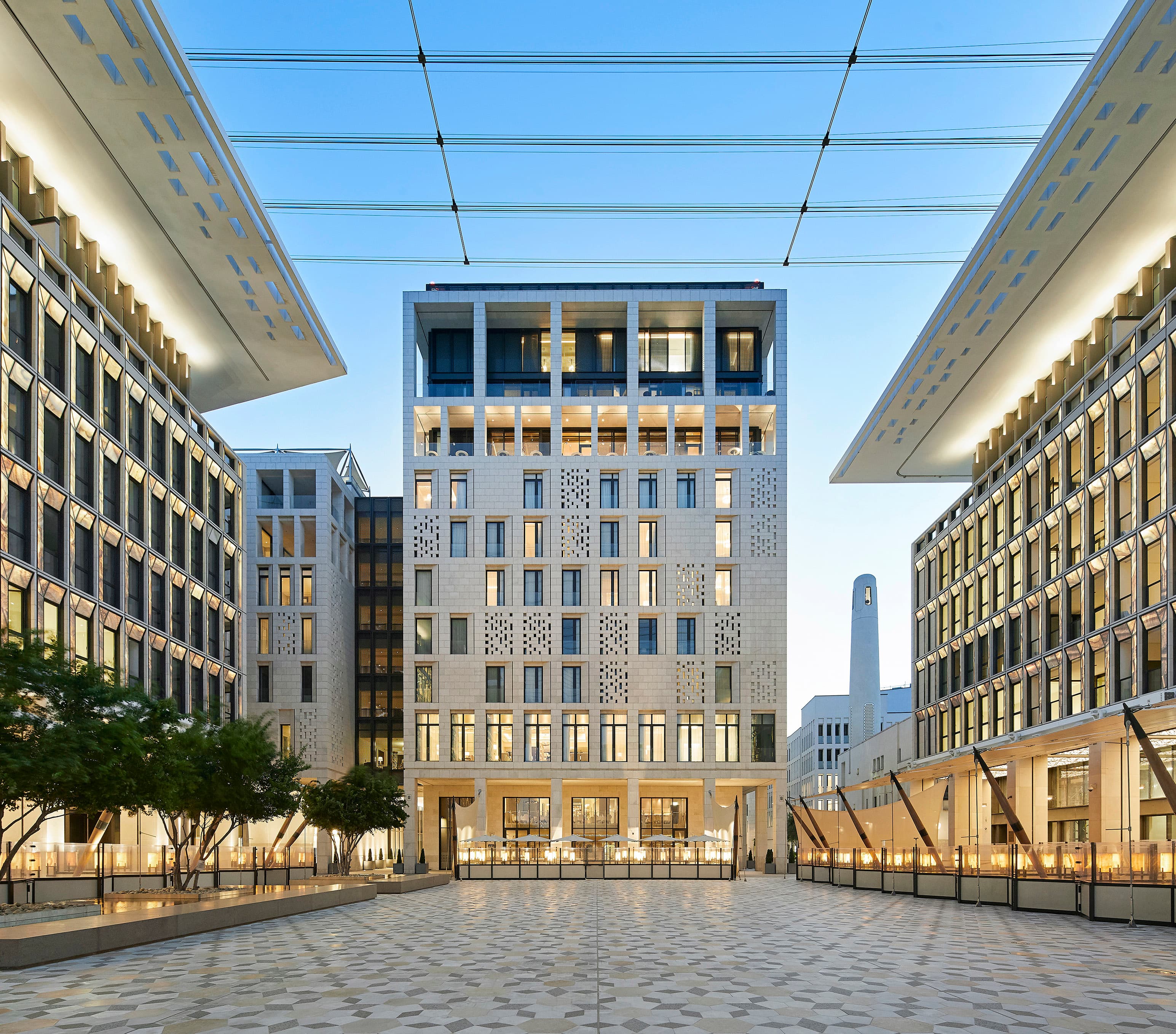
Msheireb and Souq Waqif: best for first-time culture and walkability
Msheireb and Souq Waqif are the best base for travelers who want Doha to feel like a place, not just a hotel corridor. You can walk between Msheireb's cafes and museums, Souq Waqif's restaurants and shops, the nearby metro interchange, and parts of the Corniche/Museum of Islamic Art zone when weather allows.
The tradeoff is that it is not the highest-gloss luxury hotel district. You are choosing atmosphere and movement over resort-style waterfront leisure. For a first trip, that is usually the right trade.
West Bay: best for business hotels, skyline convenience, and polished comfort
West Bay is Doha's business-hotel and skyline district. It is practical if you want large international hotels, corporate convenience, quick access to the Corniche, and easy rides to Katara, The Pearl, and Lusail.
The downside is personality. West Bay looks impressive, but it can feel like towers, lobbies, roads, and sea views more than an evening neighborhood. Stay here if hotel quality, business access, or a polished base matters more than walking into local atmosphere.
The Pearl: best for upscale waterfront restaurants and resort-like evenings
The Pearl is good for travelers who want marina walks, restaurants, boutiques, serviced apartments, and a more residential luxury feel. It is not the most efficient base for museums and the old core, but it works well for couples, families, longer stays, and travelers who want evenings built around dining rather than markets.
The tradeoff is distance and mood. The Pearl feels like an upscale development, not old Doha. That can be exactly right for some trips and completely wrong for others.
Katara and Lusail: best for culture, beach clubs, malls, and newer luxury
Katara is useful if your trip is built around cultural venues, galleries, beach access, and evenings near The Pearl. Lusail is newer and more futuristic, with malls, boulevards, marina areas, and big-event energy. Both can work, but they are less obvious first-time bases unless you already know you want that newer leisure pattern.
Airport hotels: best only for tight stopovers
Airport-area hotels are useful when sleep and flight timing matter more than seeing Doha. For most first-time visitors with two nights or more, move into the city. Doha's airport access is strong enough that sleeping near the terminal is usually not worth sacrificing the trip.
Getting around Doha without overcomplicating it
The best way to get around Doha is to combine the metro with taxis or ride-hailing. The Doha Metro has three lines - Red, Green, and Gold - with Msheireb as the main interchange. It connects useful visitor zones including Hamad International Airport, Msheireb, West Bay, Education City, and Al Wakrah, and it makes Doha much easier than it used to be.
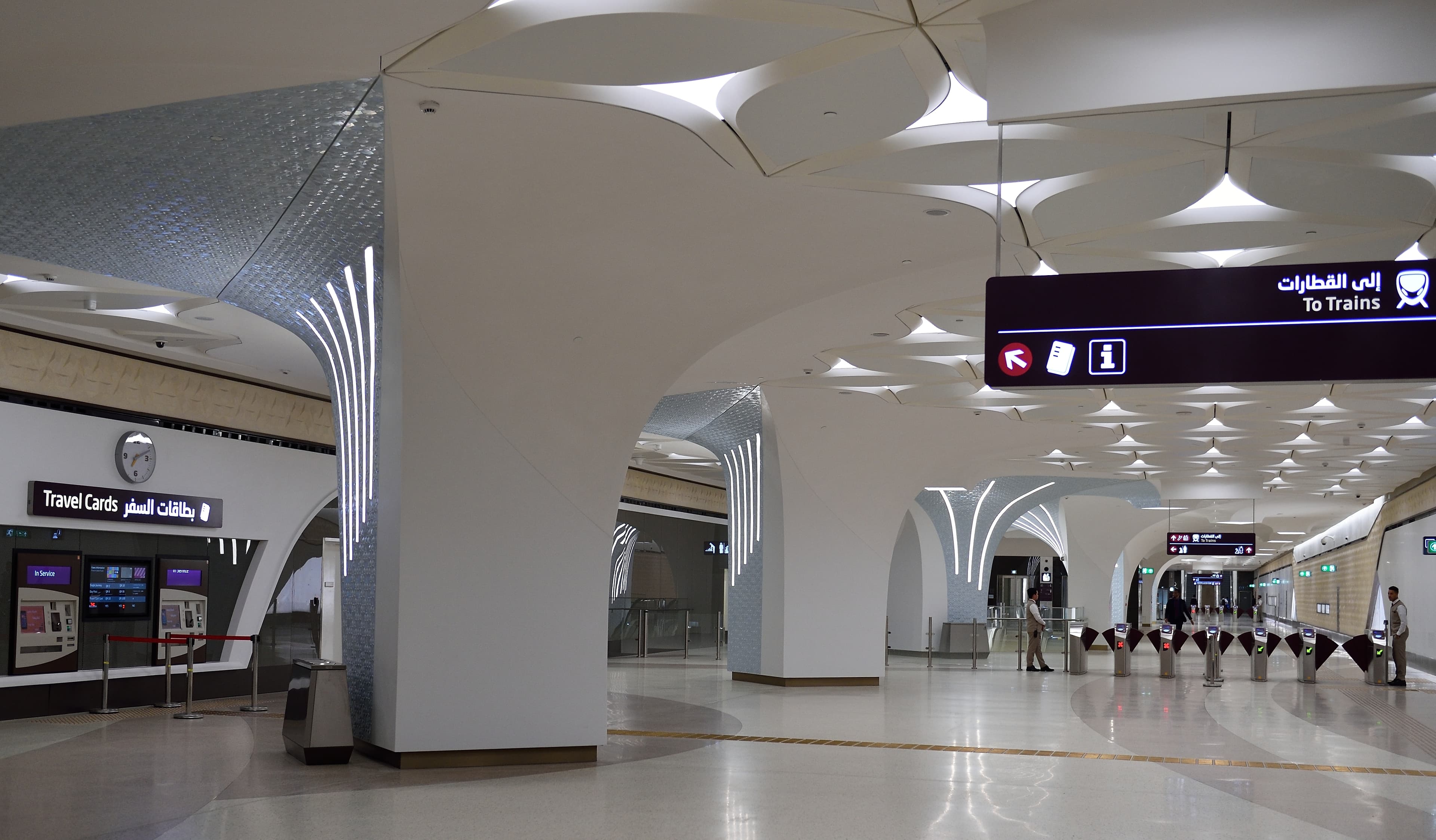
Use the metro when stations line up with your route: airport to city, Msheireb to West Bay, museum/old-core links, Education City, Katara-adjacent movement, or Lusail-linked trips. It is clean, fast, and often simpler than dealing with traffic.
Use taxis or ride-hailing when the last stretch is awkward, when you are dressed for dinner, when it is very hot, when you are travelling with kids, or when a destination is technically near a station but practically annoying. Doha has many places where a map says "walkable" and your sweat glands file a formal complaint.
Do not rent a car for a normal first Doha city trip unless you have a specific reason. Parking and roads are manageable compared with many cities, but visitors do not need the extra friction for a museum-market-hotel itinerary. Desert trips are better handled with a licensed tour or driver.
Airport transfer is straightforward. Hamad International Airport is connected by metro, and taxis are easy. If you land late, have luggage, or are heading to The Pearl/Lusail, a taxi may be worth it. If you land during the day and your hotel is near a station, the metro is a clean win.
Food and coffee strategy for first-time visitors
The best food strategy in Doha is to eat by area rather than chasing isolated restaurants across the city. Use Souq Waqif for Qatari and regional food, Msheireb for cafes and modern dining, West Bay hotels for polished international restaurants, The Pearl for waterfront meals, and older mixed districts for casual regional food if you are willing to ride.
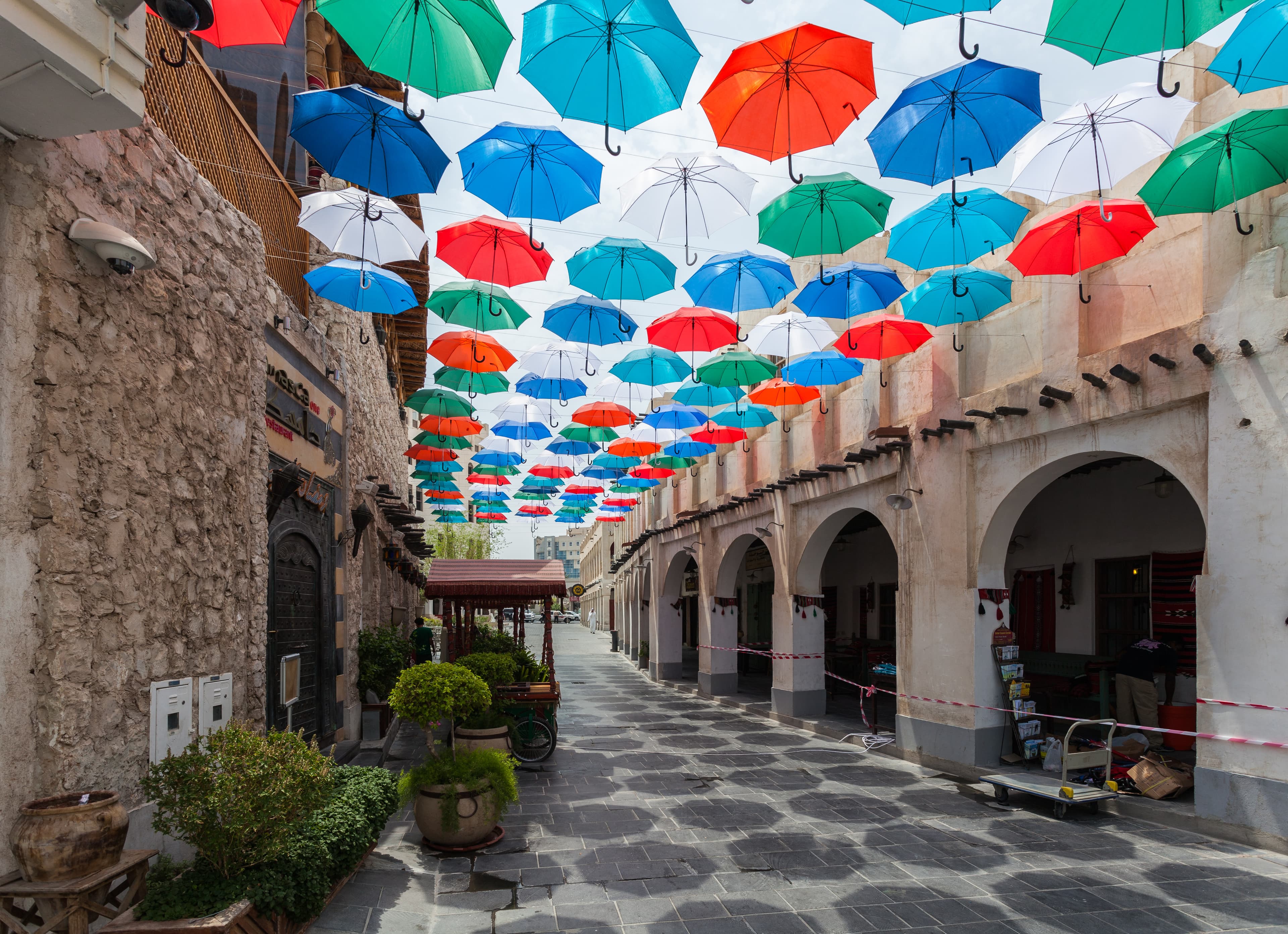
For a first visit, build one evening around Souq Waqif. Go later in the day, wander before dinner, and choose a restaurant that matches your tolerance for tourist energy. You can find Qatari dishes, grills, Iranian food, Yemeni food, Levantine restaurants, tea, sweets, spices, and enough people-watching to make a second loop worthwhile.
Msheireb is better for cafes, polished casual dining, and a more contemporary Doha feel. It pairs well with Souq Waqif because the two areas are close but not identical: Msheireb is planned, cooled, and architectural; the souq is busier, older in spirit, and better for evening atmosphere.
The Pearl is useful for waterfront dinners, especially if you want something more international and less market-based. West Bay is where hotel restaurants and business dining dominate. Katara has cafes, restaurants, and beachside options that make sense when you are already there.
Do try karak, machboos if you find it on a good menu, grilled seafood, dates, Arabic coffee, and regional casual food. But do not force every meal to be "authentic" in a checklist way. Doha's food culture is mixed because the city is mixed. A strong first trip can include Qatari food, South Asian food, Levantine food, hotel dining, and coffee without needing to turn dinner into a museum label.
Best things to do on a first visit
The best things to do in Doha on a first visit are Souq Waqif, Msheireb, the Museum of Islamic Art, the National Museum of Qatar, the Corniche, Katara Cultural Village, The Pearl, and one desert or beach experience if you have enough time. The trick is grouping them sensibly.
Start with the old-core cluster: Souq Waqif, Msheireb, the Corniche, and the Museum of Islamic Art. This gives you the strongest contrast in the shortest distance: market, rebuilt downtown, water, skyline, and museum architecture. Add the National Museum of Qatar if you want a bigger cultural day, but do not cram both major museums into one exhausted blur unless your trip is short.
Use Katara and The Pearl as a separate half-day or evening. Katara is better for cultural architecture, galleries, amphitheatre views, the mosque, beach access, and a slower look around. The Pearl is better for marina restaurants, evening walks, and upscale development energy. Combining them makes sense because they sit on the same broader north-side visitor route.
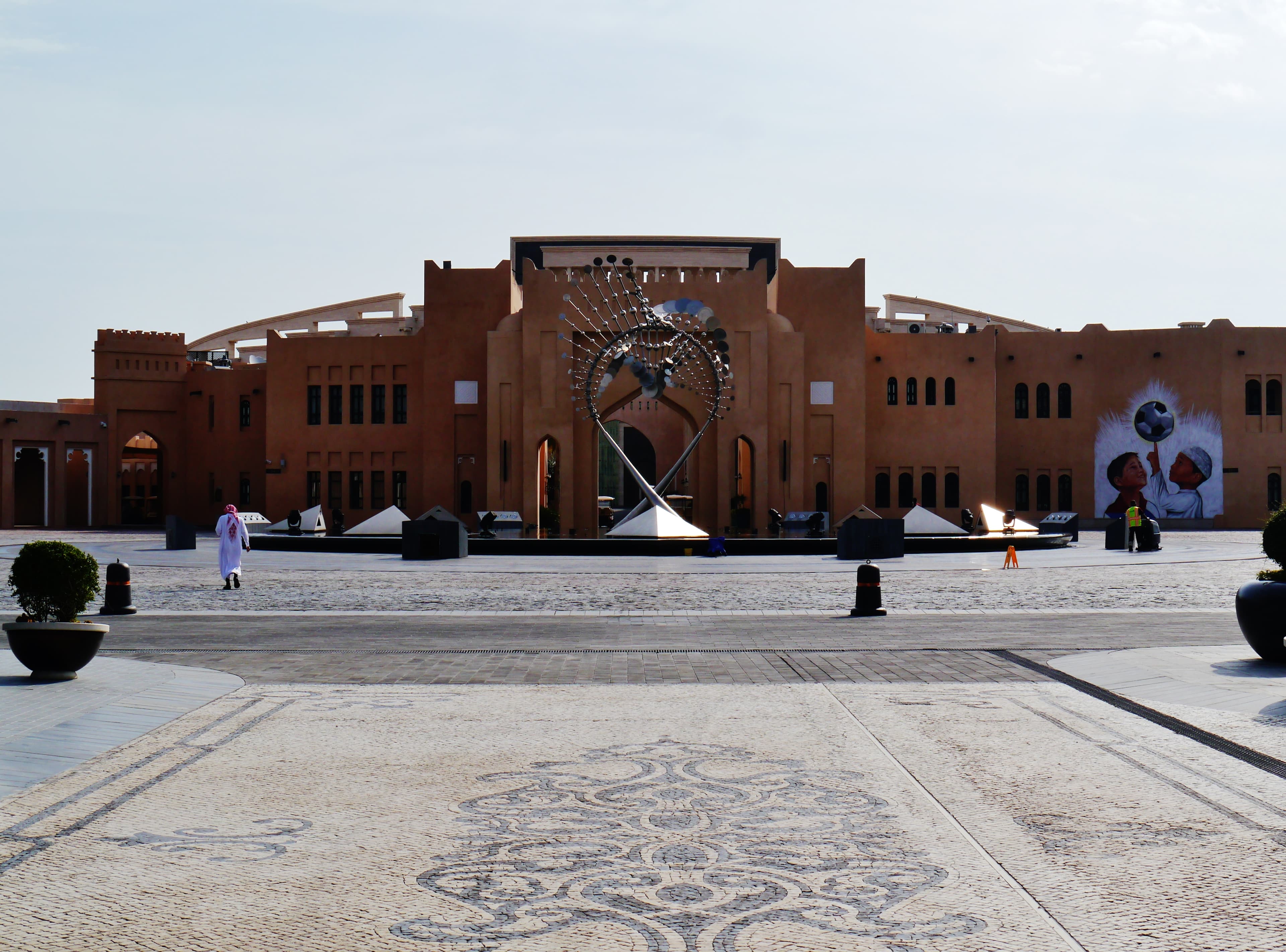
If you have a third day, choose one direction: desert safari/Inland Sea, Education City and Qatar National Library, Lusail and Place Vendome, a beach club, or a slower food-and-cafe day. The desert is the most different from the city, but it takes more commitment and should be booked with a reputable operator.
Skip the urge to see every mall unless malls are genuinely part of your travel style. Doha has impressive retail spaces, but a first trip should not become a tour of escalators with better lighting.
A simple 3-day Doha itinerary
A good 3-day Doha itinerary splits the city by geography and energy level: old core and museums first, Katara/The Pearl second, then desert, Lusail, beach, or flexible food time third.
Day 1: Souq Waqif, Msheireb, Corniche, and Museum of Islamic Art
Start in Msheireb in the morning for cafes, architecture, and a controlled first look at the city. Move toward Souq Waqif before lunch or late afternoon depending on heat. Add the Museum of Islamic Art and the Corniche when the weather is friendly.
In the evening, return to Souq Waqif for dinner. It is more atmospheric after dark, and the heat is easier to manage. This is the day that makes Doha feel like more than an airport stopover.
Day 2: National Museum, Katara, and The Pearl
Use the morning for the National Museum of Qatar if you skipped it on day one. Then shift north toward Katara in the afternoon or early evening. Walk the cultural village, look at the mosque and amphitheatre area, and time the visit for cooler light if possible.
Finish at The Pearl for dinner or a marina walk. This pairing shows the polished, newer, leisure side of Doha without pretending it is the same experience as Souq Waqif.
Day 3: Desert, Lusail, Education City, or slower Doha
If you want the biggest contrast, book a desert trip. If you want architecture and learning, choose Education City, Qatar National Library, or museums you missed. If you want a newer city-development day, head to Lusail and Place Vendome. If you are tired, make day three a slower mix of coffee, one museum, a beach club, and dinner.
The main rule: do not build day three as leftovers from a spreadsheet. Pick one theme and let the trip breathe.
Safety, dress, money, and practical tips
Doha is generally a safe, orderly city for visitors, but normal travel judgment still applies. Watch bags in busy areas, use licensed taxis or reputable ride-hailing, do not leave valuables visible, and follow official guidance if regional security advisories change. Qatar's official tourism material emphasizes safety, but visitors should still check their own government's current travel advice before departure.
Dress is more conservative than in many beach destinations. You do not need to dress formally everywhere, but modest clothing is sensible in souqs, museums, government-adjacent spaces, and religious or cultural areas. Beachwear belongs at beaches and pools, not in the market. This is not hard; people just make it weird.
Alcohol is available mainly in licensed hotel bars and restaurants, not as an everywhere street-drinking culture. If nightlife is the centre of your trip, Doha is probably not your best first choice. If you want good dinners, hotel lounges, and calmer evenings, it works.
Cards are widely accepted, but keep some Qatari riyals for small purchases, markets, and backup. Tipping is appreciated but not usually complicated; check bills for service charges in hotels and restaurants.
For visas, do not rely on old forum advice. Qatar has visa-free entry and Hayya/e-visa pathways depending on nationality, passport, residency, and booking requirements. Check the official Visit Qatar or Hayya information for your passport before you travel, especially if you are not from a visa-free country.
How to time your Doha trip for better value
The best value in Doha usually comes from matching season, stopover deals, and hotel district to your actual trip style. Winter is the best weather, so it can bring stronger demand around events, holidays, and peak travel dates. Summer can be cheaper, but the outdoor experience is weaker. A low hotel rate is not a bargain if you spend the trip moving between air-conditioned boxes while mumbling threats at the sun.
For most first-time visitors, the best value windows are late October, November outside major event peaks, early December before holiday pressure, February after big winter demand swings, and March before heat builds too much. April can work if you plan carefully. June through September is value-friendly only if you accept a mostly indoor itinerary.
If Doha is part of a bigger route, look at Qatar Airways stopover options and multi-city pricing. Doha is one of the few destinations where a short stopover can make more sense than a standalone trip, especially if you can turn a connection into two nights without adding much flight complexity.
Hotel choice affects value more than small fare differences. A cheaper hotel in the wrong area can add rides, heat friction, and wasted evenings. For a first trip, pay for the base that matches your plan: Msheireb/Souq Waqif for atmosphere, West Bay for hotels and skyline, The Pearl for waterfront dining, or Katara/Lusail for newer leisure.
> **Quick answer block:** For most first-time visitors, the best Doha trip is 3 days in November to March, based in Msheireb/Souq Waqif or West Bay, using metro plus taxis, with one old-core day, one Katara/The Pearl day, and one flexible desert, museum, beach, or Lusail day.
Doha rewards visitors who plan lightly but honestly. Do not expect an old maze city. Do not expect a beach resort unless you book that version of the trip. Treat it as a compact, polished Gulf capital with a few very strong zones, excellent museums, serious heat, and a better food scene than many stopover travelers realize.
Let Fare Window find the best fares for your next trip.
Track routes, watch price changes, and get smarter alerts before you book.
Start tracking faresKeep planning
Related travel guides
Explore more first-time destination guides while you compare routes, seasons, and trip shapes.