Shanghai Travel Guide for First-Time Visitors
A practical Shanghai travel guide for first-time visitors: best areas to stay, key neighborhoods, transport, food, safety tips, and a simple 3-day itinerary.
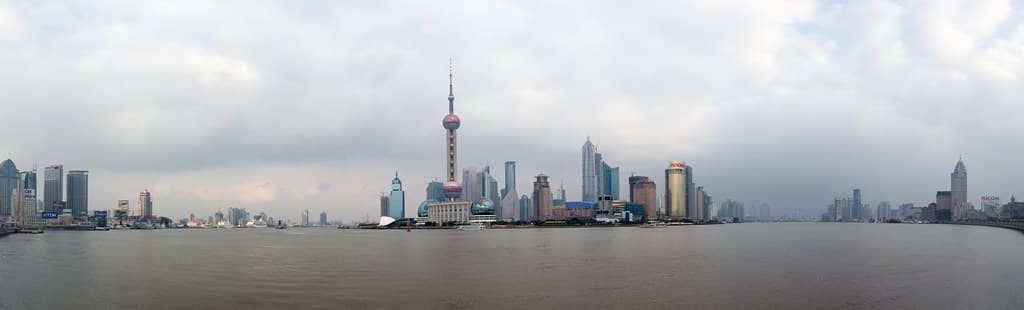
Shanghai is the easiest place in China to land as a first-time visitor and still feel like you have gone somewhere unmistakably different. It has airport trains, clean metro lines, English signage in the places most travelers need it, serious hotels, and a waterfront skyline that does not need a sales pitch. It also has enough scale, language friction, payment quirks, and neighborhood sprawl to punish anyone who treats it like a simple three-attraction city break.
The right first Shanghai trip is usually **3 to 4 days**. That gives you time for the Bund, Pudong views, Yu Garden and the Old City, the Former French Concession, a few serious meals, and one modern-neighborhood wander without turning the trip into a metro scavenger hunt. Shanghai rewards travelers who pick a good base, group sights by geography, and leave room for evening walks. It is less about racing through monuments and more about watching the city change from colonial riverfront to glass towers to plane-tree streets to noodle counters in the space of one afternoon.
Quick Facts
Table of Contents
- 1.Quick answer: is Shanghai good for a first trip?
- 2.Where to stay in Shanghai
- 3.The neighborhoods first-timers should understand
- 4.Best things to do on a first visit
- 5.Getting around Shanghai
- 6.What to eat and where food fits into the trip
- 7.Safety, language, and practical tips
- 8.A simple 3-day Shanghai itinerary
- 9.Who Shanghai is best for
- 10.FAQ
Quick answer: is Shanghai good for a first trip?
Yes — Shanghai is one of the best first stops in China if you want a softer landing. It is polished, huge, food-focused, and easy to navigate by Chinese megacity standards. Choose Shanghai if you like city walks, architecture, skyline views, shopping streets, cafés, riverfronts, and efficient transit. Skip it as your only China stop if your dream trip is mainly temples, mountains, imperial history, or old-town atmosphere. Shanghai has history, but it is not Beijing or Xi’an wearing better shoes.
For most first-timers, the sweet spot is to stay near **People’s Square, Nanjing Road, the Bund, Jing’an, or the Former French Concession**. Use the metro for longer distances, walk the compact pockets, and save taxis or ride-hailing for luggage, late nights, heavy rain, and cross-river trips when your feet have filed a formal complaint.
Where to stay in Shanghai
Your hotel choice matters because Shanghai is not one tidy centre. The city is a web of useful districts, and the “best” area depends on whether you want skyline access, shopping convenience, nightlife, food, or calmer neighborhood streets.
**The Bund / Nanjing East Road** is the classic first-timer base. You are close to the river, the historic waterfront, pedestrian shopping, metro connections, and the photos everyone expects from Shanghai. It is convenient and dramatic, but it can feel tourist-heavy and more expensive. Stay here if you have a short trip, want the easiest sightseeing logistics, or care about stepping out at night and seeing the city do its full neon peacock routine.
**People’s Square** is the practical middle. It puts you near multiple metro lines, museums, Nanjing Road, and easy hops to both the Bund and west-side neighborhoods. It is not the prettiest base, but it works. If your Shanghai plan is broad rather than luxury-riverfront specific, People’s Square is often the boring answer that quietly wins.
**Jing’an** is better if you want restaurants, hotels, shopping, bars, and a more lived-in central feel. You trade the immediate Bund drama for a nicer daily rhythm. It is a strong base for travelers who prefer good meals and neighborhood wandering over sleeping beside the postcard.
**Former French Concession / Xuhui** is the prettiest everyday base: leafy streets, cafés, boutiques, lane houses, and slower walks. It is ideal if you want Shanghai to feel human-sized between the big sights. The tradeoff is that you will spend more time on the metro or in cars to reach the Bund and Pudong.
**Pudong / Lujiazui** is best for skyline hotels, business trips, and tower views. It is impressive, clean, and convenient for certain offices or luxury stays, but it can feel sterile for a leisure base. First-timers usually do better sleeping west of the river and visiting Pudong for the view.
The neighborhoods first-timers should understand
Think of Shanghai in layers. The **Bund** is the old international waterfront: grand stone buildings, river views, and the best angle on the Pudong skyline. Go once in daylight and once after dark if you can. It is crowded, but some places are crowded because they are actually worth it. Annoying, I know.
Across the river, **Lujiazui** is the skyscraper district with the Oriental Pearl Tower, Shanghai Tower, Shanghai World Financial Center, malls, and observation decks. It is not where you go for texture. It is where you go to understand the city’s ambition in one absurd vertical gulp.
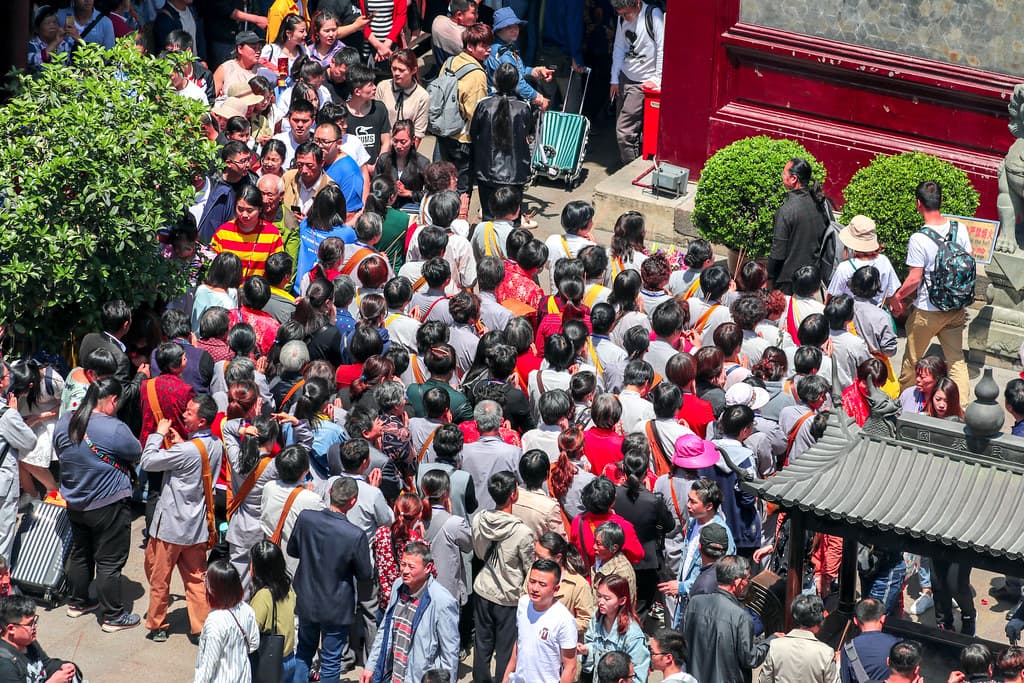
The **Old City and Yu Garden** give you the compact, decorative, traditional-looking Shanghai most visitors expect. The area around Yu Garden can feel packaged and busy, but the garden itself and nearby lanes still belong on a first trip if you time them well. Go early or later, not in the middle of a tour-group traffic jam.
The **Former French Concession** is not one single attraction. It is a walking mood: plane trees, old villas, cafés, boutiques, bakeries, wine bars, quiet lanes, and sudden little food finds. This is where you go when the Bund has become too much skyline and not enough oxygen.
**Jing’an** is modern central Shanghai with shopping, temples, offices, restaurants, and nightlife access. It is a useful bridge between sightseeing Shanghai and the city people actually use.
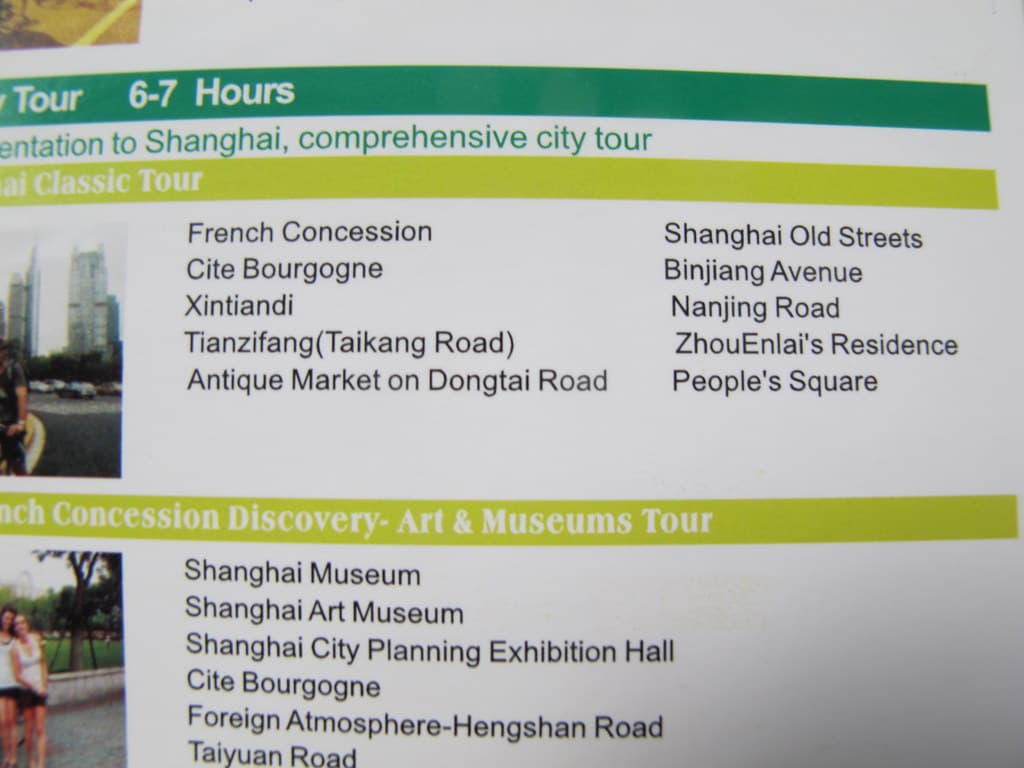
**Xintiandi and Tianzifang** are curated versions of lane-house Shanghai. Xintiandi is cleaner, more polished, and more expensive; Tianzifang is tighter, more touristy, and more souvenir-heavy. Neither is the soul of the city, but both can be useful short stops if expectations are kept sane.
Best things to do on a first visit
Start at **the Bund**. Walk the promenade, look across to Pudong, then turn around and look at the old buildings behind you. Shanghai makes more sense when you see both sides at once: treaty-port history on one bank, financial-future theatre on the other. If you only do one “must-see,” make it this.
Then pick one big view. The **Shanghai Tower**, **World Financial Center**, and other observation options all scratch the same itch: height, city scale, and weather-dependent visibility. Do not stack multiple tower views unless your hobby is paying repeatedly to look through glass. Choose one, go near sunset if conditions are clear, and accept that haze may humble your plans.
Use **Yu Garden and the Old City** as your traditional Shanghai block, not as proof that the whole city is ancient. The best version is a morning visit before the surrounding shopping streets get too dense. Pair it with snacks nearby, then move on before the area turns into a human pinball machine.
Walk part of the **Former French Concession** in the afternoon. Do not over-map it. Pick a loose route around Wukang Road, Anfu Road, Fuxing Park, Hengshan Road, or nearby streets, then let cafés, shops, and side lanes do some of the work. This is one of Shanghai’s best first-timer resets because it proves the city is not only malls and towers.
Visit **Jing’an Temple** if you want a compact cultural stop in the middle of modern Shanghai. The contrast with the surrounding shopping and traffic is the point. It is easy to pair with a Jing’an meal or a west-side afternoon.
If you like museums, consider the **Shanghai Museum** or one of the city’s contemporary art spaces, depending on your interests and current openings. Do not overload museums unless the weather is bad. Shanghai is at its best when you keep moving between indoor and outdoor texture.
Getting around Shanghai
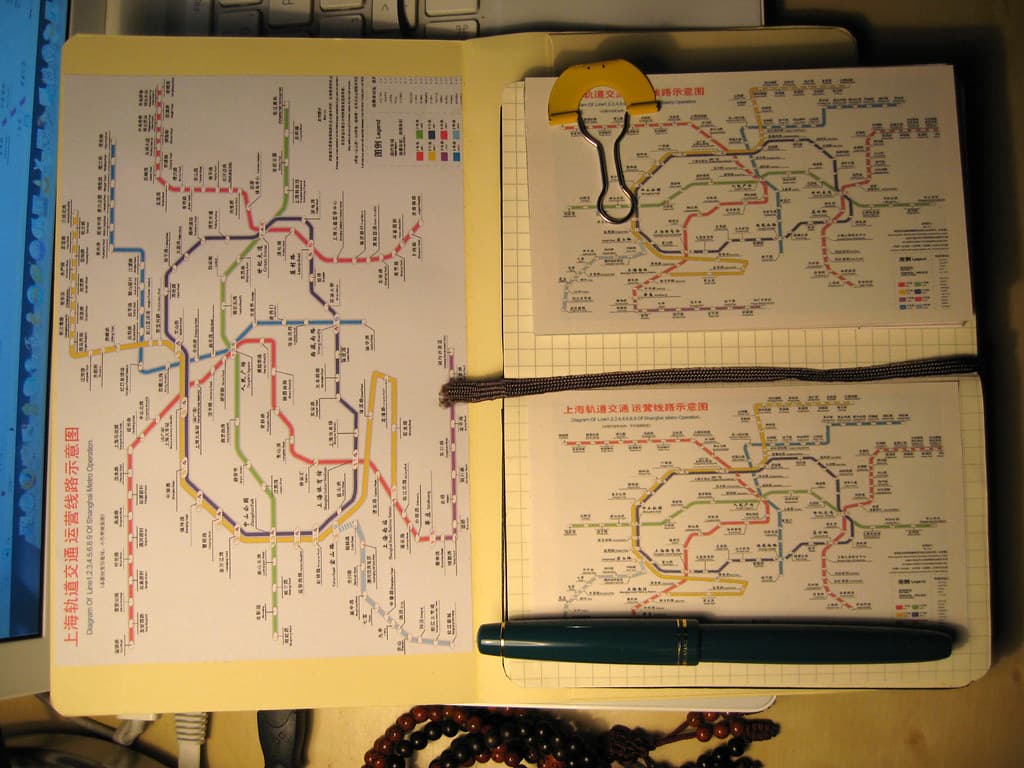
The **Shanghai Metro** should be your default. It is extensive, clean, cheap, and usually faster than surface traffic. For first-timers, the most useful lines connect Pudong airport access, People’s Square, Nanjing Road, Jing’an, Xujiahui, Lujiazui, and the Old City. Avoid peak commuting hours when possible; Chinese subway efficiency is impressive, but so is the number of humans who would also like to be on the train.
From **Pudong Airport**, the Maglev is fun if you want the novelty and your timing works, but it only gets you to Longyang Road, where you still transfer. The metro is cheaper and simple but slower. Taxis or ride-hailing are easiest with luggage, especially after a long flight, but traffic and language friction can add friction. Have your hotel address in Chinese characters and screenshots ready.
Walking works beautifully inside individual neighborhoods: the Bund, Nanjing Road, the Former French Concession, Jing’an, Xintiandi, and Yu Garden. Walking between all of them is where first-timers get cooked. Shanghai looks deceptively connected on a map until your step count starts making personal threats.
Payment and apps matter. International visitors should check current access for **Alipay, WeChat Pay, transport QR codes, roaming, maps, and translation** before arrival. Carry a backup card and some cash, but assume mobile payment is the local default. The most practical pre-trip move is not buying a fancy suitcase; it is making sure your phone can function like a local survival device.
What to eat and where food fits into the trip
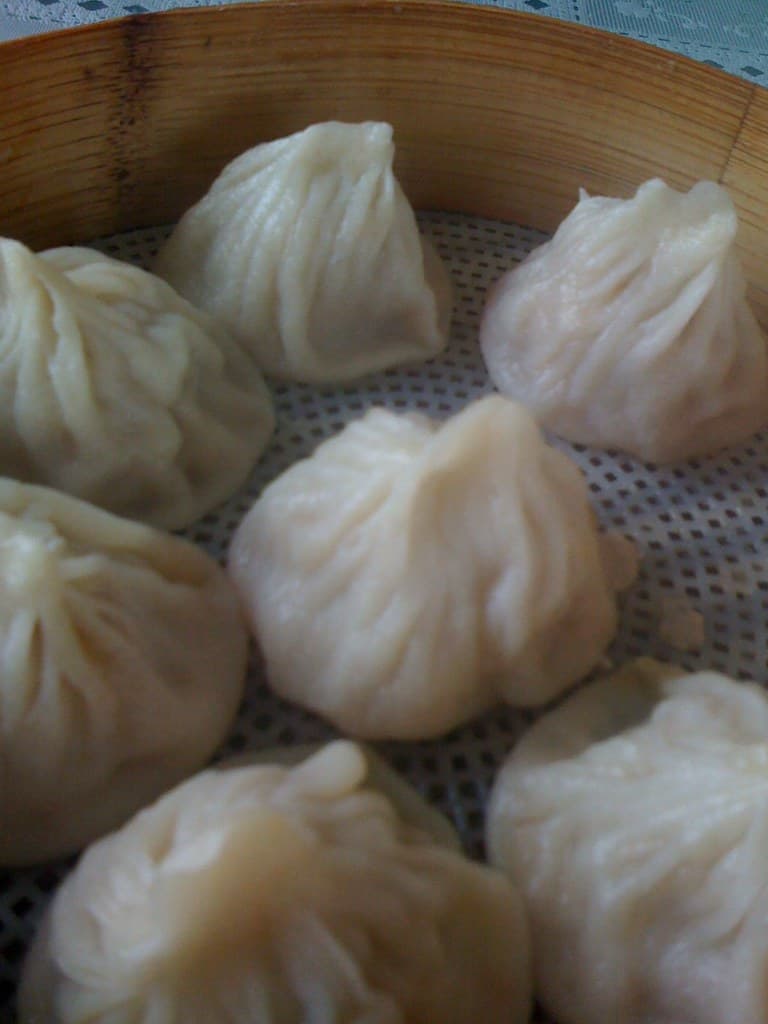
Shanghai is a food city, but first-timers should not reduce it to one dumpling. Yes, eat **xiaolongbao**. Learn that the soup is hot, bite carefully, and do not perform bravery with boiling broth unless you enjoy tongue regret. But also look for **shengjianbao** pan-fried buns, scallion oil noodles, red-braised pork, wontons, hairy crab dishes in season, and simple breakfast foods.
Food geography is useful. Around **Yu Garden**, expect classic snacks and tourist density. Around **Jing’an and the Former French Concession**, you get a better mix of local restaurants, cafés, bakeries, bars, and international food. Around **the Bund**, views and hotel dining can be excellent but prices rise quickly. Around **People’s Square and Nanjing Road**, convenience beats romance.
The best first Shanghai food strategy is to plan one or two specific meals and leave the rest flexible. Over-scheduling restaurants can turn the city into logistics homework. Use lunch for neighborhood exploration, save one nicer dinner for the Bund/Jing’an/French Concession zone, and keep one meal intentionally simple: noodles, dumplings, or a bakery-and-coffee pause when the itinerary starts getting needy.
Safety, language, and practical tips
Shanghai is generally safe for visitors in the normal big-city sense. Violent crime is not the main concern. The practical problems are traffic habits, language gaps, payment setup, crowds, weather, and tourist-area overpricing. Watch crossings even when the pedestrian signal flatters you. Keep an eye on bags in dense areas. Be skeptical of strangers inviting you to tea, art shows, or “student” experiences around tourist zones. The old scam classics still have legs; apparently scams also believe in cardio.
Language is manageable with preparation. Hotel staff and major attractions may have English support, but restaurants, taxis, and smaller shops often will not. Translation apps, saved addresses in Chinese, and offline map options make the trip smoother. Do not assume every Western app works normally or quickly. Check connectivity before you go.
Weather changes the trip. Summer can be hot, humid, and draining. Winter is damp and chilly in a way that sneaks under coats. Spring and autumn are easiest. Rain is common enough that a flexible museum, mall, or café plan is useful. If visibility is poor, do not force a paid observation deck just because the schedule says “view.” The skyline will not apologize.
Shanghai is also a city where reservations, opening hours, museum rules, and app requirements can change. Before locking a day around a specific museum, tower, or restaurant, verify current hours and ticketing. Build the itinerary around neighborhoods, then plug in attractions. That way one closed door does not collapse the whole day like a badly packed suitcase.
A simple 3-day Shanghai itinerary
**Day 1: The classic arrival loop.** Start with People’s Square or Nanjing Road if your hotel is nearby, then walk toward the Bund in late afternoon. See the waterfront before sunset, cross or ride to Pudong/Lujiazui for a tower view if the sky is clear, then return for the Bund at night. Keep dinner easy. This day is about orientation, not heroics.
**Day 2: Old City, Yu Garden, and west-side wandering.** Go to Yu Garden in the morning, eat nearby, then move west after lunch. Spend the afternoon in the Former French Concession around Wukang Road, Anfu Road, Fuxing Park, Hengshan Road, or nearby streets. Have dinner in Jing’an, Xuhui, or the French Concession. This is the day Shanghai starts feeling like neighborhoods instead of landmarks.
**Day 3: Choose your Shanghai.** If you want culture, do the Shanghai Museum or a contemporary art stop. If you want shopping and food, use Jing’an, Xintiandi, or Huaihai Road. If you want one more skyline hit, revisit the Bund from a different angle. Add a slow café or tea break because Shanghai is better when you stop trying to win it.
With a fourth day, consider a water-town day trip only if you specifically want canal scenery and do not mind tourist crowds. Otherwise, stay in Shanghai and go deeper: more food, more neighborhoods, fewer buses.
Who Shanghai is best for
Shanghai is best for first-time China visitors who want a big-city landing pad: dramatic skyline, efficient transit, strong hotels, excellent food, walkable pockets, and enough international infrastructure to reduce friction. It is also excellent for travelers who like architecture, urban contrast, coffee-and-neighborhood days, design shops, and night views.
Shanghai is less ideal if you want China’s deepest historical heavyweights in one stop. For imperial history, choose Beijing. For ancient capital atmosphere, add Xi’an. For landscapes, go elsewhere entirely. Shanghai is the modern face, the trading-port face, the global-city face. That is not a weakness. It just means the city works best when you let it be itself instead of demanding pagodas on every block.
FAQ
How many days do you need in Shanghai?
Three days is enough for a strong first visit. Four days is better if you want a slower pace, museums, better meals, or a day trip. Two days works only if you accept a highlights version.
Is Shanghai easy for first-time visitors?
Yes, compared with many large cities in China. The metro, hotel infrastructure, major attractions, and central neighborhoods are manageable. Payment setup, language, and app access still need preparation.
What is the best area to stay in Shanghai?
For most first-timers, the Bund/Nanjing East Road, People’s Square, Jing’an, or the Former French Concession work best. Choose the Bund for views, People’s Square for transit, Jing’an for restaurants and convenience, and the French Concession for atmosphere.
Is Shanghai expensive?
Shanghai can be expensive for hotels, skyline dining, and luxury shopping, but transit and casual food can be good value. Your budget depends heavily on hotel area and how many view restaurants, cocktail bars, and premium attractions you stack into the trip.
Can you visit Shanghai without speaking Chinese?
Yes, but you should prepare. Save hotel addresses in Chinese, set up translation, confirm payment options, and use metro routes rather than relying on improvised taxi conversations.
What should first-timers skip in Shanghai?
Skip trying to do every tower, every mall, and every themed pedestrian street. One skyline view, one old-city block, one west-side neighborhood walk, and a few good meals will teach you more than a frantic checklist.
Let Fare Window find the best fares for your next trip.
Track routes, watch price changes, and get smarter alerts before you book.
Start tracking faresKeep planning
Related travel guides
Explore more first-time destination guides while you compare routes, seasons, and trip shapes.