Taipei Travel Guide for First-Time Visitors
A practical Taipei travel guide for first-time visitors: where to stay, how to use the MRT, what to eat, best things to do, safety tips, and a simple itinerary.
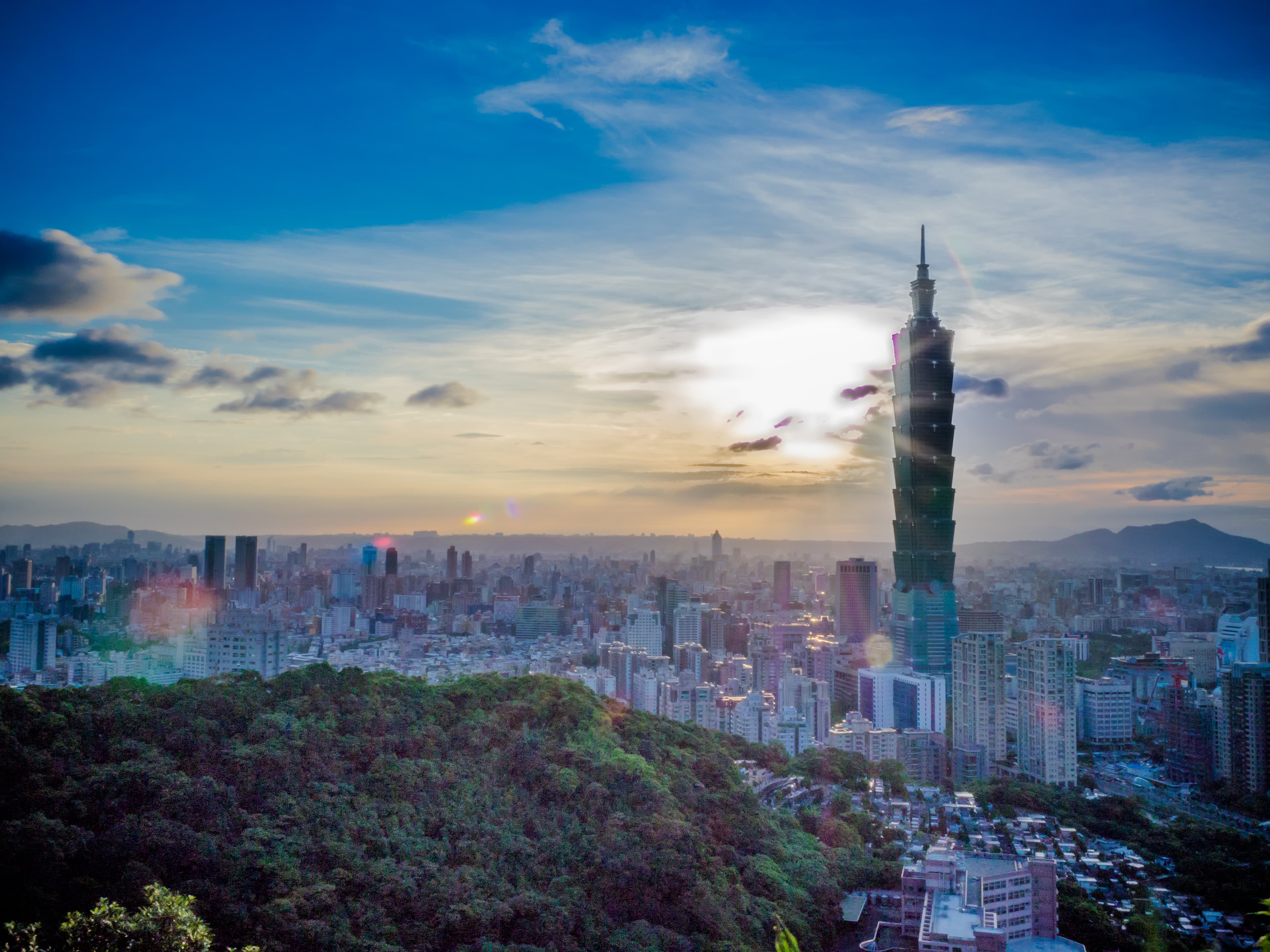
Taipei is one of the easiest big Asian cities to land in for the first time, but it rewards travelers who make a few choices early. Stay near the MRT instead of chasing the cheapest hotel. Give yourself room for night markets without turning every dinner into a competitive eating event. Do one or two neighborhoods properly each day instead of ping-ponging across the city because a list told you there were “must-sees” in every direction.
The short version: Taipei is best for first-time visitors who want excellent food, safe streets, efficient transit, manageable prices, friendly day trips, and a city that feels busy without being punishing. It is not ideal if your dream trip is beaches, resort weather, or grand monument tourism. Taipei is a city of layers: breakfast shops, temple courtyards, tea hills, MRT platforms, old trading streets, and late-night snack decisions that seem reasonable at the time.
Quick Facts
- {'label': 'Best first stay', 'value': 'Zhongshan for balance, Ximending for energy, Da’an for calmer cafes and parks'}
- {'label': 'Good trip length', 'value': '3 full days; 4–5 days if adding Beitou, Maokong, Tamsui, or Jiufen'}
- {'label': 'Transit move', 'value': 'Get an EasyCard and use the MRT as your default'}
- {'label': 'Best food strategy', 'value': 'Mix breakfast shops, local restaurants, and one or two night markets'}
- {'label': 'Best seasons', 'value': 'Spring and fall are easiest; summer is hot, humid, and storm-prone'}
- {'label': 'First-timer mistake', 'value': 'Staying far from MRT or overloading day trips before seeing Taipei itself'}
Table of Contents
Taipei at a glance: who should go and how to think about the city
Taipei is a practical first stop in Taiwan because it is organized without feeling sterile. The MRT covers most places first-timers need, signs are widely usable in English, convenience stores are genuinely useful, and the city is safer and calmer than many visitors expect. You can build a strong three- or four-day trip without renting a car, joining a tour, or solving a logistical escape room every morning.
The tradeoff is that Taipei does not always announce itself dramatically. If you arrive expecting one huge iconic attraction after another, you may underrate it. The city is better when you treat it as a sequence of neighborhoods and routines: morning breakfast, a cultural stop, a walkable district, a rest, then a night-market or restaurant dinner.
For a first visit, three full days is the sweet spot. Two days gives you the highlights but feels clipped. Four or five days lets you add Beitou, Maokong, Jiufen, Tamsui, or a slower food-focused rhythm without turning the trip into a spreadsheet with jet lag.
Where to stay in Taipei
For most first-time visitors, stay in Ximending, Zhongshan, Da’an, or near Taipei Main Station. The right answer depends less on hotel star rating and more on what you want your evenings to feel like.
**Ximending** is the easiest lively base. It has late food, pedestrian streets, shopping, young energy, and simple MRT access. It is not the quietest or most polished area, but if you like stepping out of the hotel and immediately having options, it works. It is especially good for first-timers who are nervous about dead streets after dinner.
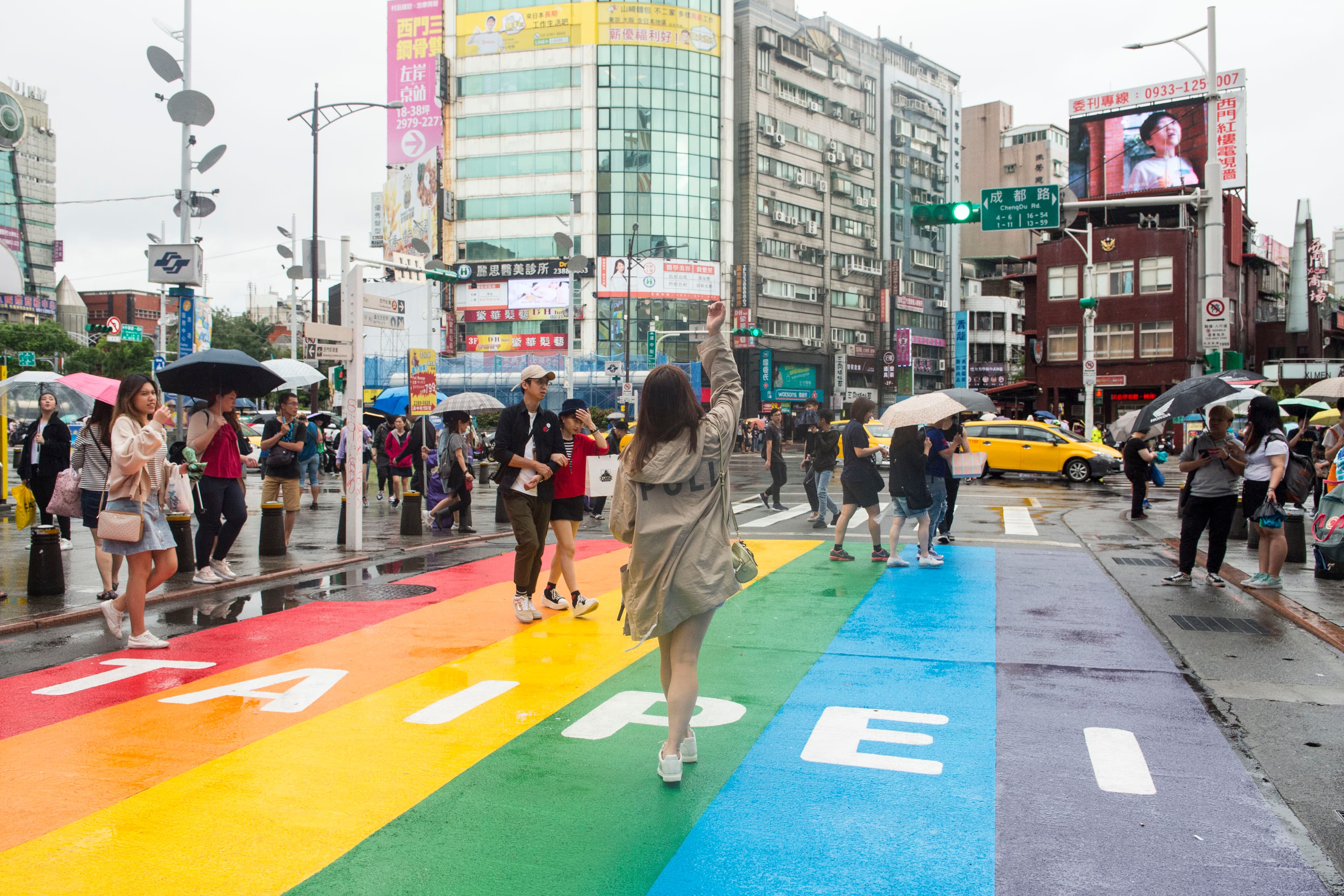
**Da’an** is better for parks, cafes, quieter streets, and a more local-feeling stay. It is a good fit if you want access to Yongkang Street, Da’an Forest Park, and a slightly calmer rhythm. The downside is that it can feel less immediately “I have arrived in Taipei” than Ximending.
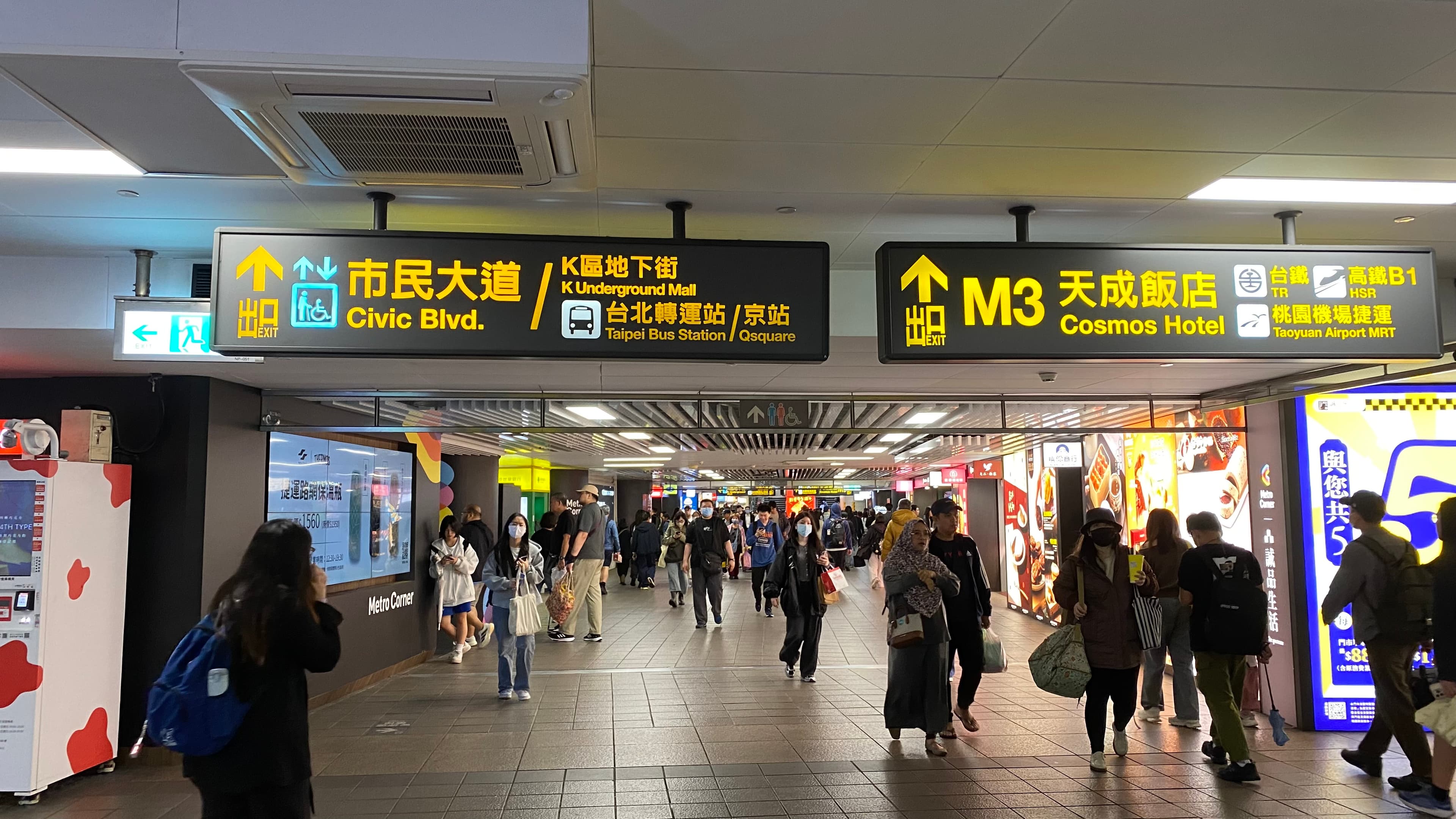
**Taipei Main Station** is convenient but not charming. Stay here if you value airport rail, train connections, and pure logistics. Just know that the station complex is confusing at first. The first time you try to exit the underground maze, you may briefly question whether you are still legally in Taiwan.
**Xinyi**, near Taipei 101, is polished and easy for shopping, skyline views, and higher-end hotels. It is comfortable, but it can feel more like a business and mall district than the Taipei most first-timers came to experience. Stay there if you want sleek convenience; visit it if you want the tower and a clean night out.
Getting around Taipei without making it harder than it is
Taipei’s MRT should be your default. It is clean, reliable, air-conditioned, and much easier than building your trip around taxis. Buy or load an EasyCard early, then use it for MRT rides, buses, some regional transport, YouBike, and convenience-store purchases. If you do nothing else smart on arrival, do that.
The main mistake is assuming every distance that looks close on a map is pleasant on foot. Taipei is walkable by district, not always between districts. Walk within Ximending, Dadaocheng, Da’an, Xinyi, or around a night market. Use the MRT between them. In summer heat or heavy rain, this distinction matters unless your hobby is becoming soup with shoes.
Taxis and ride-hailing are useful late at night, in rain, or when you are tired. They are not necessary for most sightseeing days. Buses can be helpful for specific routes, but first-timers can do very well with MRT plus occasional taxi.
From Taoyuan Airport, the Airport MRT is usually the cleanest choice if you are staying near Taipei Main Station or can connect easily. A taxi is better if you arrive late, have heavy luggage, or are staying somewhere awkward for transit. Do not over-optimize the airport transfer. Save your decision energy for what to eat first.
What to eat in Taipei, and how to avoid wasting meals
Taipei is a food city, but the best strategy is not “go to the most famous night market every night.” Night markets are fun, but they are only one part of the city’s food life. Build your eating around three lanes: breakfast shops, simple local restaurants, and one or two night markets.
Start with Taiwanese breakfast at least once: soy milk, dan bing, fan tuan, scallion pancake, or a rice roll if you want something portable and dangerously satisfying. Lunch can be beef noodle soup, dumplings, braised pork rice, bento-style meals, hot pot, or a casual noodle shop. Dinner can be a market night, a sit-down Taiwanese meal, or something regional; Taipei is also excellent for Japanese food and cafes.
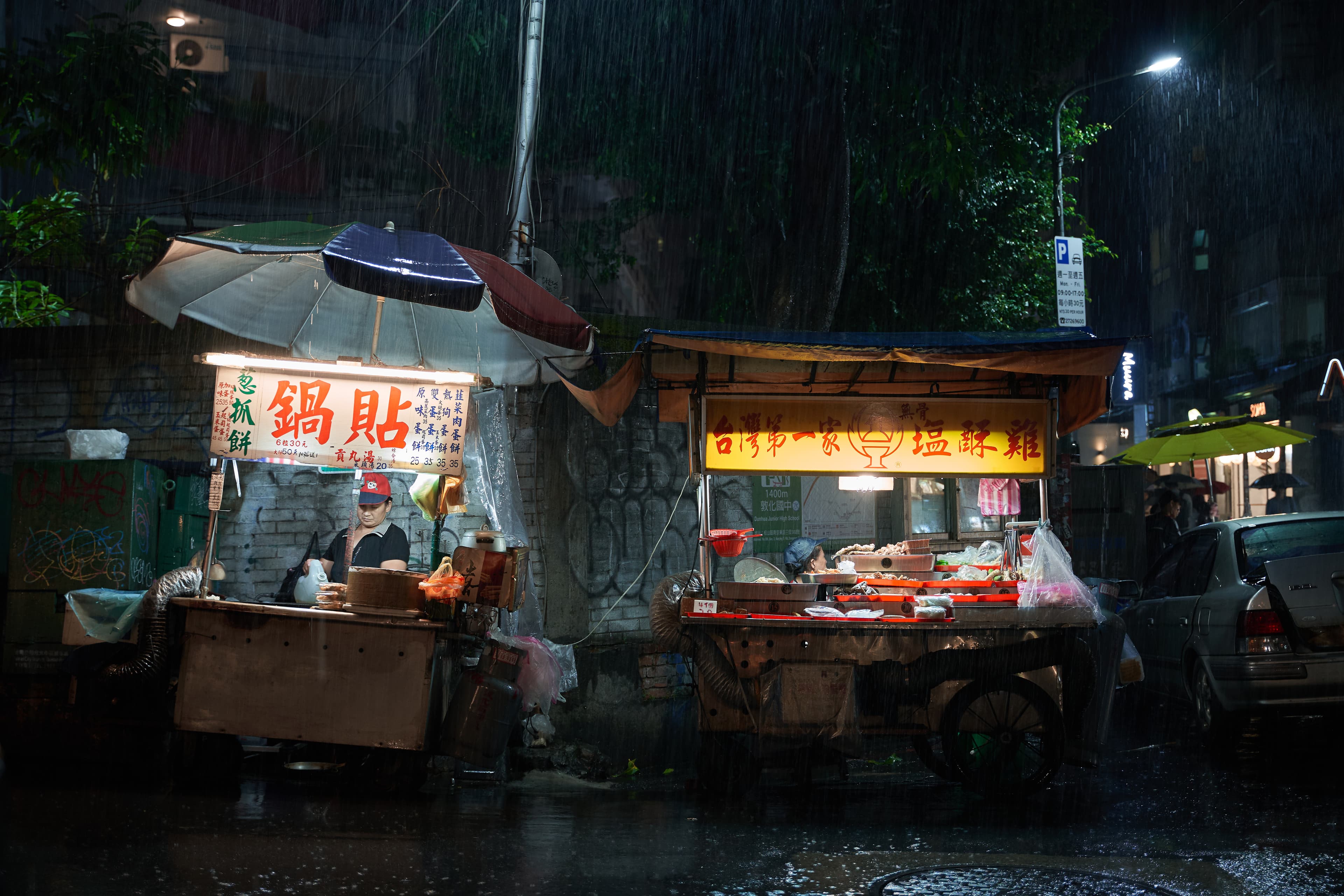
For first-time night markets, Raohe is compact and easy, Ningxia is good for focused eating, and Shilin is famous but can feel more sprawling and touristy. I would not make Shilin your only market experience. It is useful if you want scale; it is less useful if you want a tight, efficient food crawl.
The practical rule: share more than you think. Order one item, split it, move on. The rookie mistake is committing to a full portion at the first stall, then walking past ten better-looking things with the haunted face of someone who peaked too early.
Bring cash for markets and small shops. Taipei is modern, but small food stalls are not trying to participate in your credit-card points strategy.
Best things to do on a first Taipei trip
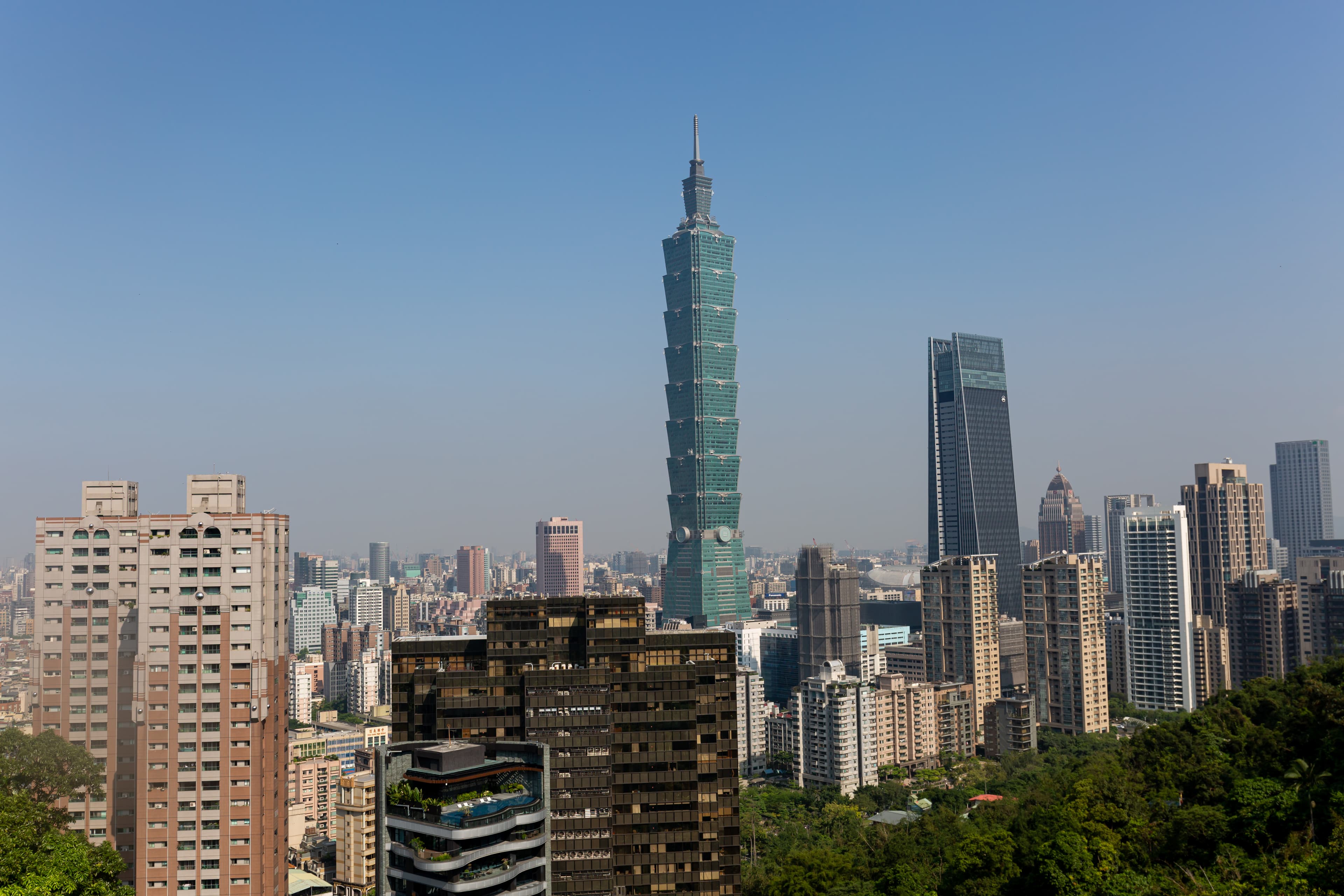
Taipei 101 is worth seeing, but it should not consume the whole trip. Go for the skyline context, the mall if you like polished shopping, and the observatory if the weather is clear. If visibility is poor, do not force it. A cloudy paid view is just an expensive lesson in humidity.
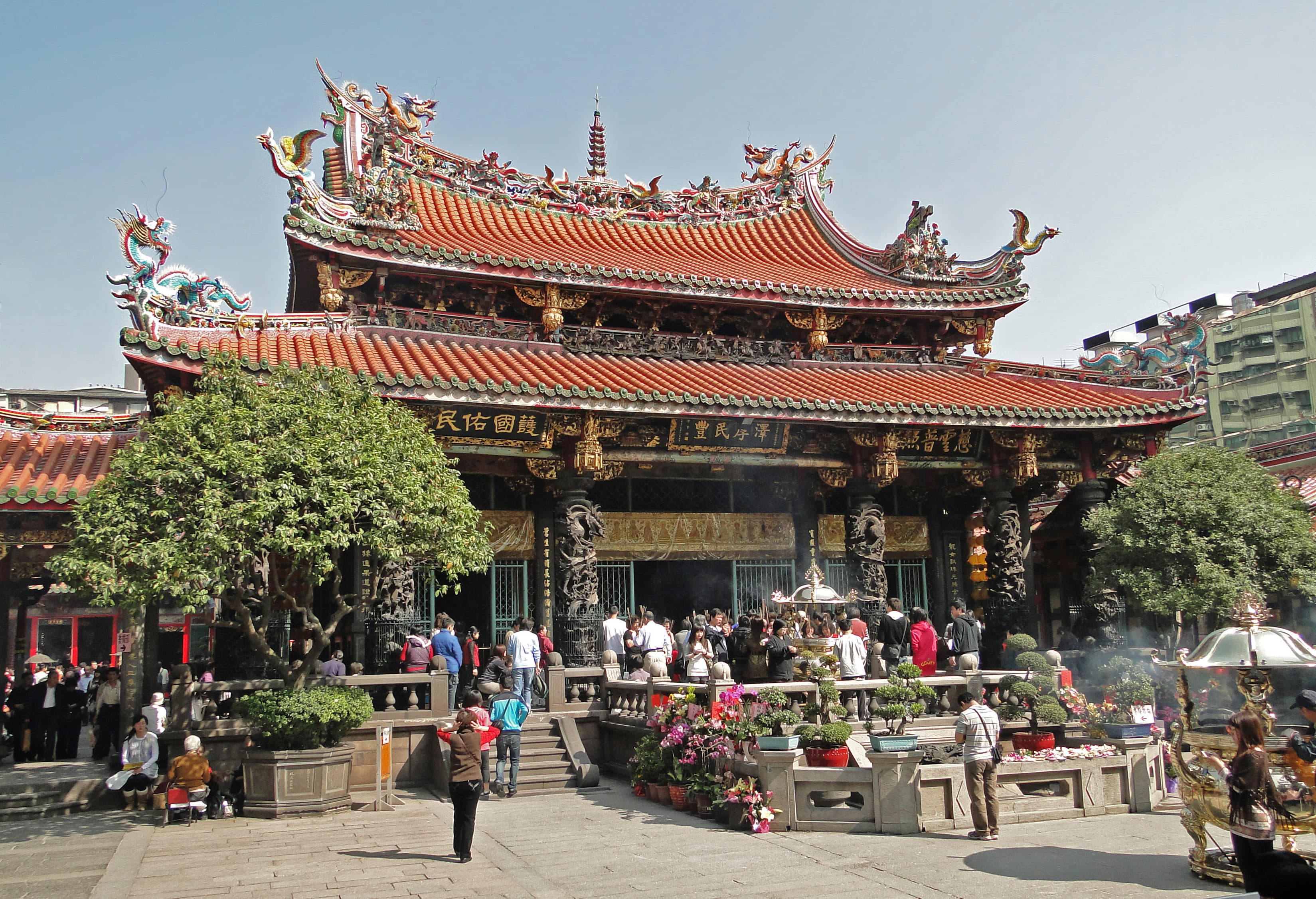
Longshan Temple is one of the best cultural stops for first-timers because it puts you close to older Taipei, Ximending, and traditional food areas. Visit respectfully, move slowly, and do not treat active worship like a stage set.
Dadaocheng and Dihua Street are essential if you want older shopfronts, tea, dried goods, fabric stores, cafes, and a more textured sense of the city. This is where Taipei starts to feel less like a checklist and more like a place with memory.
Elephant Mountain is the classic skyline walk. It is short, steep, sweaty, and popular for a reason. Go near sunset only if you are comfortable with crowds and steps. Go earlier for an easier experience. The view is best when the sky is clear enough to justify the climb.
Beitou is the easiest half-day change of mood: hot springs, greenery, Japanese-era architecture, and a slower pace. Maokong is better if you want tea houses and hillside air. Tamsui is a good late-afternoon riverside trip, especially if you want a softer ending to the day.
Jiufen is the popular day trip, but it is not a casual “swing by” if your time is short. It can be crowded and weather-sensitive. Go if you like atmospheric old streets and mountain views; skip it if your Taipei stay is only two full days and you have not properly seen the city yet.
A simple first-time Taipei itinerary
**Day 1: Soft landing and west Taipei.** Start with Ximending or your hotel area, then visit Longshan Temple and Bopiliao or nearby older streets. Move toward Ximending for the evening, or head to Ningxia Night Market if you want a food-focused first night. Keep this day easy if you arrived from a long flight.
**Day 2: Classic Taipei and food.** Do Taipei 101 and Xinyi in the morning or late afternoon, then add Da’an or Yongkang Street for food and cafes. If the weather is clear, finish with Elephant Mountain. If the weather is not clear, do not be heroic; choose a restaurant, a cafe, or a night market instead.
**Day 4, if you have it:** Add Jiufen, more food neighborhoods, the National Palace Museum, or a slower cafe-and-shopping day. Taipei rewards extra time more than it demands it.
Safety, money, weather, and practical tips
Taipei is generally very safe for visitors, including solo travelers. Normal city awareness still applies: watch your bag in crowds, be careful at crossings, and do not assume scooters will behave according to your personal philosophy of pedestrian rights.
Weather matters. Summers are hot, humid, and storm-prone. Typhoons can disrupt plans. Winters are mild but damp, which can feel colder than the number suggests. Spring and fall are usually easier for walking, food wandering, and day trips.
Use convenience stores. They are not just snack caves. They are useful for ATMs, drinks, umbrellas, transit card top-ups, basic meals, and small travel emergencies. Taipei’s convenience stores are what North American gas stations think they are after three motivational podcasts.
Pack comfortable shoes, a small umbrella or rain shell, and some cash. If you plan to visit temples, dress and behave respectfully. If you use the MRT, follow local etiquette: queue, keep volume down, and avoid eating or drinking inside the system.
Common first-timer mistakes in Taipei
The first mistake is staying far from the MRT to save a small amount of money. Taipei is affordable enough that location usually matters more than shaving a little off the nightly rate.
The second is overloading the itinerary with day trips before understanding Taipei itself. Jiufen, Shifen, Tamsui, Beitou, and Maokong are all tempting. You do not need all of them on a first trip.
The third is eating only at night markets. That sounds fun until you realize you skipped breakfast shops, beef noodles, tea, cafes, hot pot, and normal local restaurants because you were waiting all day for skewers under fluorescent lights.
The fourth is underestimating weather. Heat and rain change the pace. Build your days with indoor resets: cafes, malls, museums, hotel breaks, or transit hops.
Final take: Taipei is easy, but not automatic
Taipei is a strong first-time city because it gives you independence quickly. The MRT works, the food is excellent, the city is safe, and the best days do not require complicated planning. But the trip improves a lot when you choose the right base, group neighborhoods sensibly, and resist turning every famous place into homework.
Stay somewhere convenient. Use the MRT. Eat across the whole day, not just at night markets. Give older districts and local routines as much attention as Taipei 101. Do that, and Taipei becomes less of a stopover and more of the city you start quietly plotting to revisit before you have even left.
Let Fare Window find the best fares for your next trip.
Track routes, watch price changes, and get smarter alerts before you book.
Start tracking faresKeep planning
Related travel guides
Explore more first-time destination guides while you compare routes, seasons, and trip shapes.