
Toronto Travel Guide for First-Time Visitors
A practical Toronto travel guide for first-time visitors covering where to stay, what to do, when to go, and how long to stay.

Toronto is one of the easiest big cities in North America for a first visit if you want neighborhoods with distinct personality, strong food, and enough variety to fill a long weekend without turning the trip into logistics homework. The best Toronto trip for most first-time visitors is 3 to 4 days focused on downtown access, neighborhood wandering, and a mix of skyline staples and local street life.
What makes Toronto work is range. You can do classic first-timer stops like the CN Tower, St. Lawrence Market, and the waterfront, then spend the rest of the trip eating through neighborhoods that feel genuinely different from each other. What catches people off guard is scale, weather swings, and the fact that some “Toronto must-sees” are less essential than the city's neighborhoods themselves.
Quick answer: Toronto is best for first-time visitors who want a city trip built around neighborhoods, food, museums, sports, and multicultural street life. It is less ideal if you want a cheap city break, warm weather year-round, or a compact old-town European feel.
Quick Facts
- Best for: Neighborhoods, food, museums, sports, and multicultural city energy.
- Stay in: Downtown West or Entertainment District for the easiest first trip.
- Best months: May, June, September, and early October.
- Minimum stay: 3 days to see the city properly.
- Getting around: Walkable in pieces with good subway and streetcar coverage.
Table of Contents
When is the best time to visit Toronto?
The best time to visit Toronto for most travelers is late spring through early fall, especially May, June, September, and early October. Those months give you the best balance of walkability, patio weather, events, and manageable humidity without the dead-of-winter mood check.
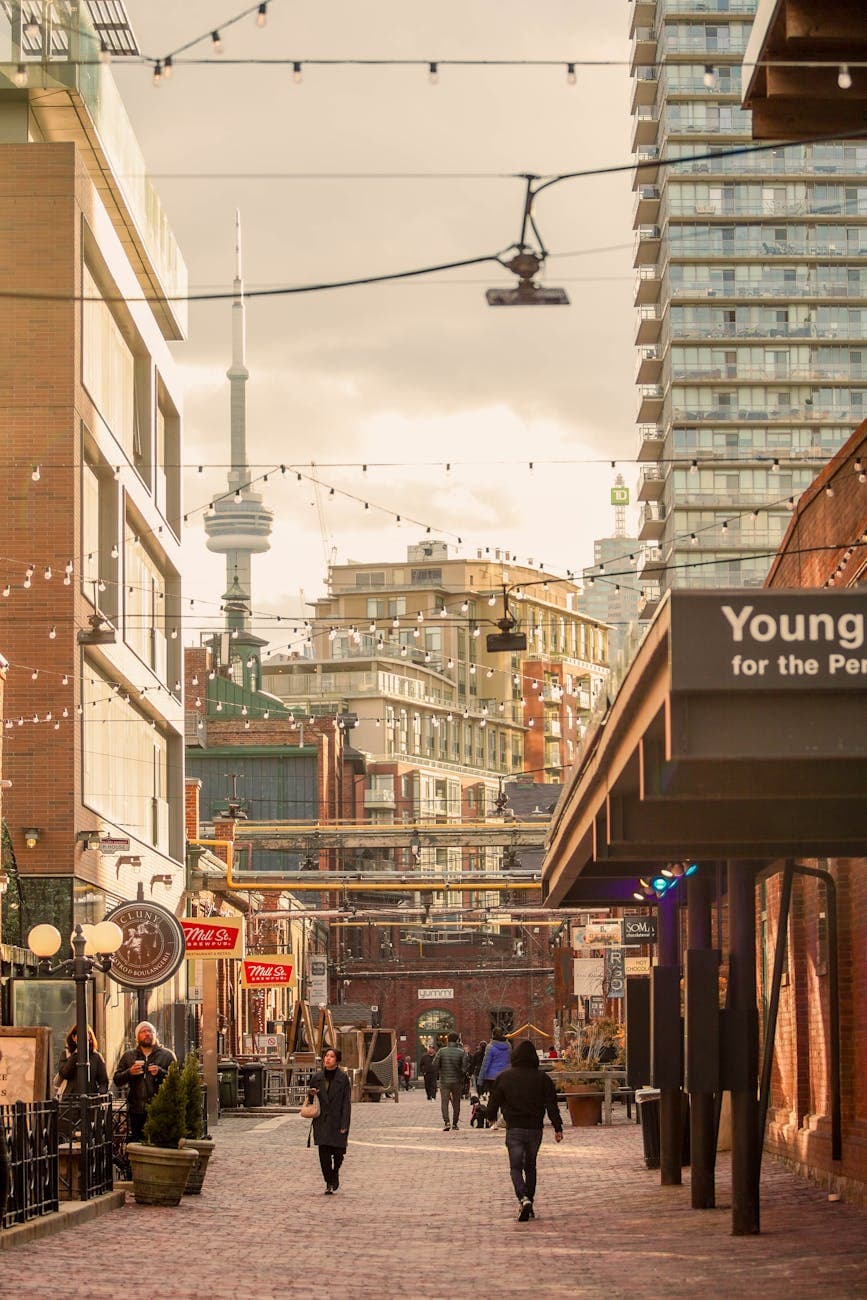
Summer is the liveliest season. The city feels fully switched on, festivals stack up, the islands are worth the ferry ride, and neighborhoods stay active late. The tradeoff is higher hotel prices, bigger crowds around major attractions, and the occasional humid day that makes you feel like the sidewalk is breathing on you.
Winter is workable if you care more about museums, sports, food, and lower shoulder-season pricing than postcard weather. But winter is not Toronto at its most charming for a first trip. Cold wind downtown is real, daylight is shorter, and wandering loses some of its appeal unless you actively like winter cities.
Quick answer: The best months for a first Toronto trip are usually May, June, September, and early October.
Seasonal tradeoffs at a glance
Best balance of weather, patios, and value before summer crowds.
Liveliest season — festivals, islands, higher prices and humidity.
Still pleasant, easing demand, strong food-focused visits.
Museums, sports, lower prices — not for first-timers who want to wander.
How many days do you need in Toronto?
Most first-time visitors need 3 to 4 days in Toronto. That is enough time to do the obvious highlights, spend time in a few neighborhoods, and leave room for the city's best trait, which is not one giant landmark but the way different parts of the city unfold once you start moving through them.
Quick answer: Plan on 3 to 4 days for a first Toronto trip. Two is tight, five is comfortable if you want museums, games, or a side trip.
Two days can work if you stay central and keep expectations tight. Five days is useful if you want a slower pace, more museums, a game or concert, island time, or a day trip such as Niagara Falls.
Tight but doable if you stay central and commit to one plan.
Sweet spot — highlights, neighborhoods, food, and a flex day.
Slower pace with museums, games, islands, or a Niagara side trip.
Where should first-time visitors stay in Toronto?
The best area to stay in Toronto for most first-time visitors is Downtown West or the Entertainment District edge, where you get strong transit access, walkable food options, and easier reach to both headline attractions and better neighborhood wandering.
Toronto is not a city where one perfect neighborhood solves everything. The move is choosing whether you want convenience, nightlife, quieter residential feel, or easy museum access.
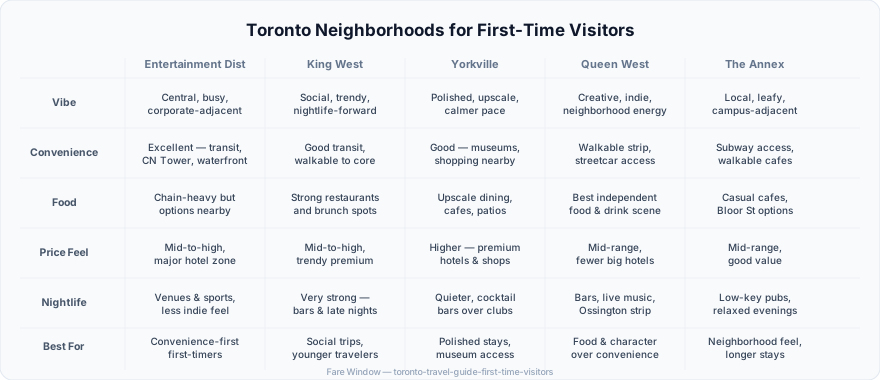
Quick answer: Stay in Downtown West or near the Entertainment District for the easiest first trip. Choose Yorkville for a more polished stay or Queen West/Ossington if food and neighborhood character matter more than hotel convenience.
Entertainment District / Downtown Core
The Entertainment District is best if convenience matters most. You will be close to major hotels, transit, sports venues, the CN Tower, and the waterfront. The tradeoff is that parts of it can feel corporate, busy, and a little generic compared with Toronto's more character-heavy neighborhoods.
King West
King West is best if you want restaurants, bars, and a more social trip. It feels younger and more nightlife-oriented. The downside is that it can be loud, trendy in an exhausting way, and not always the most relaxed base if you like mornings that don't begin with brunch refugees.
Yorkville
Yorkville is best if you want a polished stay with easier museum access and a more upscale feel. It is calmer than the core and works well for travelers who care about shopping, better hotels, and a cleaner overall vibe. The tradeoff is price and less of the city's everyday texture right outside your door.
Queen West / Ossington-adjacent
Queen West and the Ossington area are best if food, independent shops, and neighborhood energy are central to the trip. These areas feel more distinctly Toronto than some downtown hotel clusters. The tradeoff is fewer traditional hotel options and less one-stop convenience for pure sightseeing.
The Annex
The Annex is best if you want a local-feeling base with cafes, good transit, and easier access to museums and campus energy. It is less flashy than downtown and works better for travelers who like living in a neighborhood instead of orbiting attractions all day.
What should you actually do in Toronto?
The best things to do in Toronto depend on whether you want classic first-timer sights or the city at neighborhood level. You should do a few obvious landmarks, then spend serious time walking, eating, and letting the neighborhoods carry more of the trip.
Do the skyline-and-waterfront essentials, but keep them in proportion
The CN Tower, waterfront, and ferry views are worth doing once if this is your first Toronto trip. The point is not that each one is life-changing on its own. The point is that they anchor your sense of the city's geography and scale.
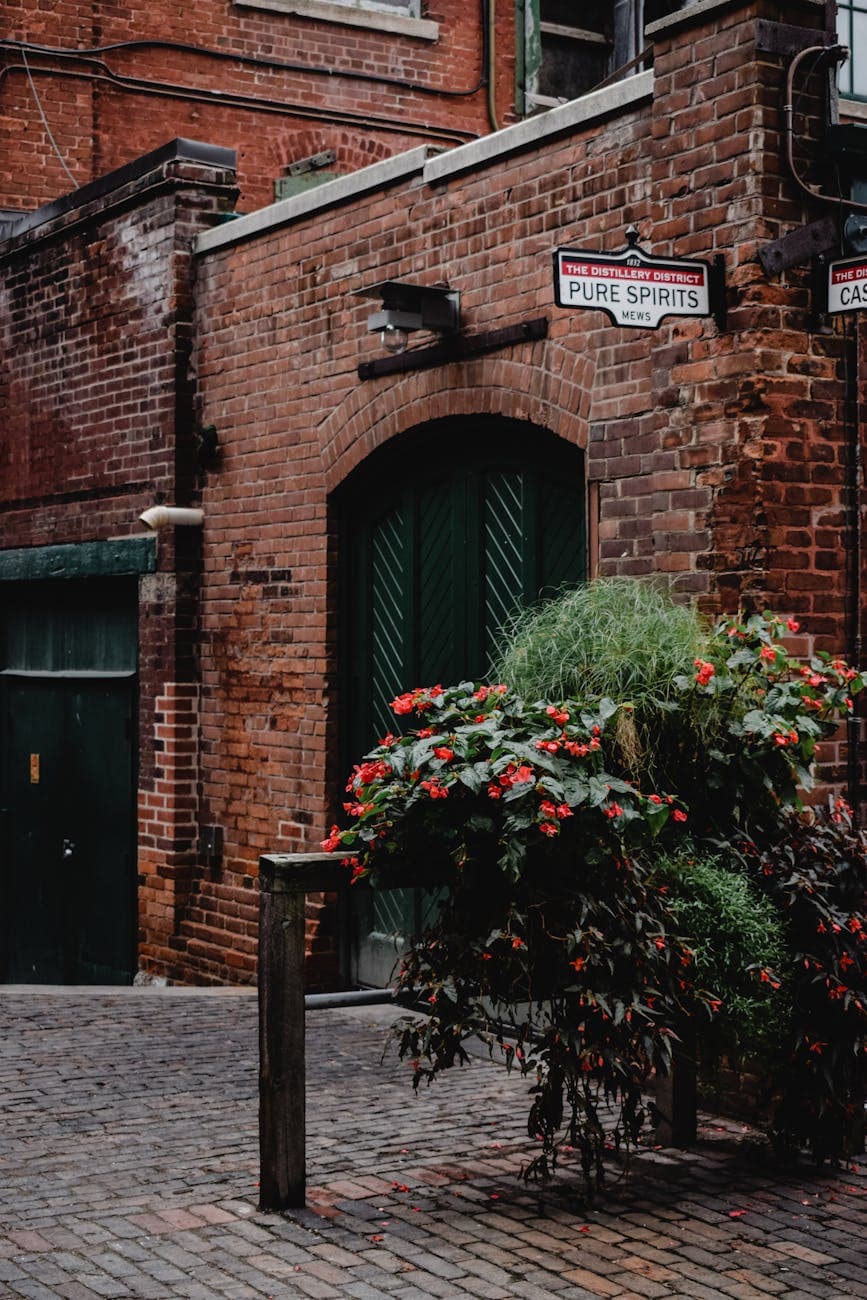
St. Lawrence Market is also worth a stop if you want a classic food-and-city-history entry point. The Distillery District can be pleasant for a short wander, especially if it fits naturally into your day.
Spend real time in neighborhoods that actually feel different
Toronto gets better once you stop trying to “complete” it. Kensington Market and Chinatown give you density, casual eating, and a messier, more alive version of the city. Queen West and Ossington are better for restaurants, bars, shops, and people-watching. The Annex gives you a calmer rhythm. Yorkville is cleaner and more upscale.
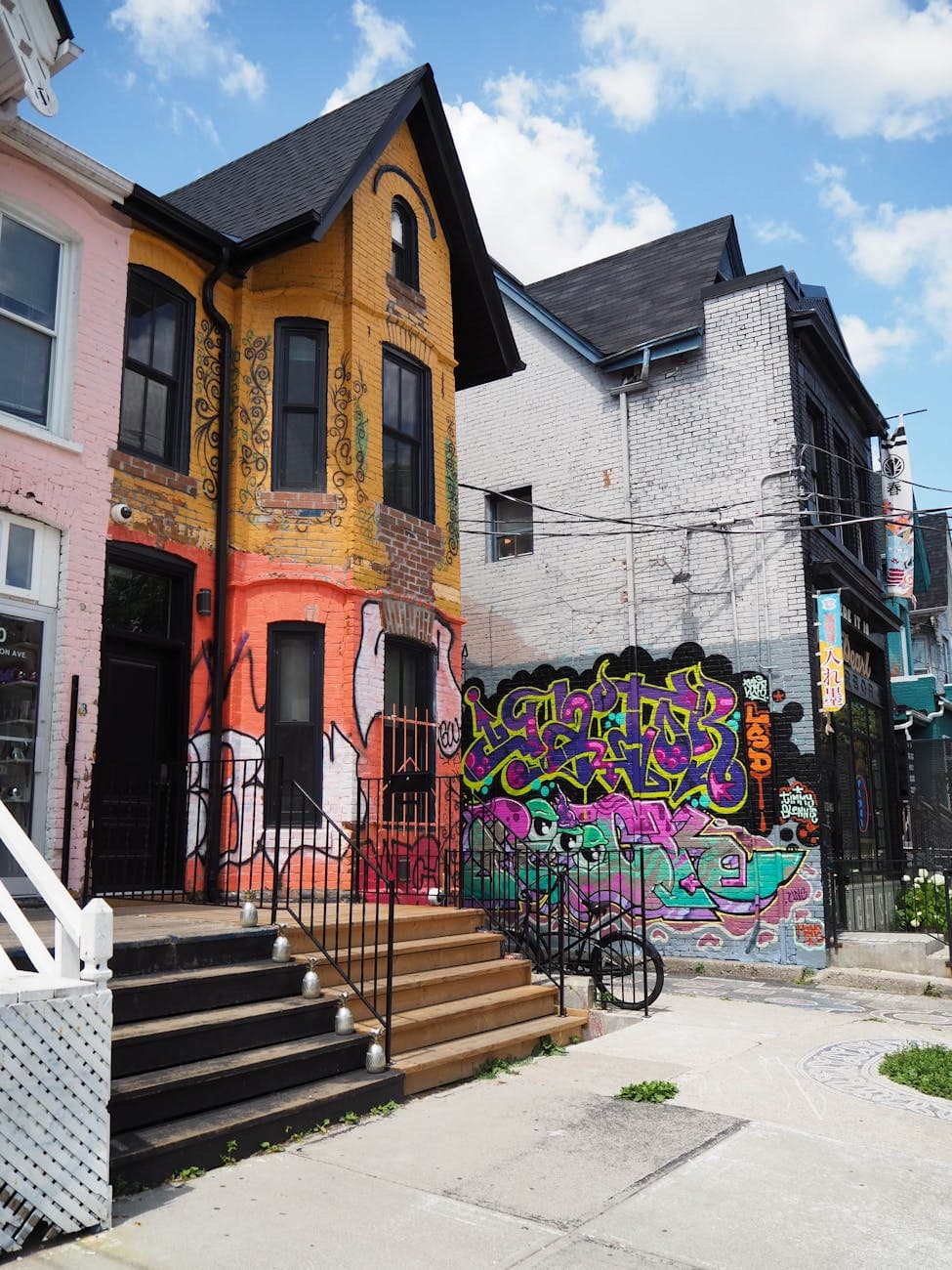
If you only do towers, stadiums, and one tourist corridor, you will leave understanding Toronto the way someone understands a person after only seeing their LinkedIn headshot.
Use food as part of the itinerary, not an afterthought
Toronto is one of the best food cities in North America for range rather than one single iconic dish. The smart play is not chasing one “famous food” list. It is building meals into different neighborhoods so the city reveals itself through movement.
- Casual eating in Kensington and Chinatown for density and variety.
- One stronger dinner in Queen West, Ossington, or Little Italy for the city's independent restaurant energy.
- Market or bakery stops rather than only sit-down meals.
- Leave room for multicultural depth instead of pretending one neighborhood tells the whole story.
Pick one major culture or sports anchor
Toronto works well when you choose one anchor beyond wandering. That might be the Royal Ontario Museum, the Art Gallery of Ontario, a Blue Jays game, a Raptors game, or a concert. One anchor gives shape to the trip and stops the itinerary from feeling like random urban grazing.
Visit the Toronto Islands if the weather is good
The Toronto Islands are worth it in warmer months if you want skyline views, a breather from downtown, or a more relaxed half day. They are not mandatory in bad weather or on a very short first trip.
When should you book for better prices?
For better Toronto trip prices, aim for shoulder periods rather than peak summer weekends. Hotel rates often climb when convention traffic, summer events, and sports demand stack together. Midweek stays can help, especially if you are not building the trip around a specific game or festival.
Quick answer: For a better mix of price and experience, book Toronto in late spring or early fall and avoid peak summer weekends when possible.
Late spring and early fall often give the best value-to-experience ratio. You still get a city that feels open and active, but pricing pressure can be less brutal than the busiest summer windows. If you are set on summer, booking earlier matters more because decent central hotels get picked over quickly.
Flight pricing can also be friendlier when you avoid obvious holiday windows and major event weekends. Toronto is not usually a city where ultra-cheap spontaneity saves the day at the last second.
A practical 3-day Toronto itinerary for first-time visitors
A good 3-day Toronto itinerary balances highlights with neighborhoods instead of trying to collect every attraction like airport refrigerator magnets.
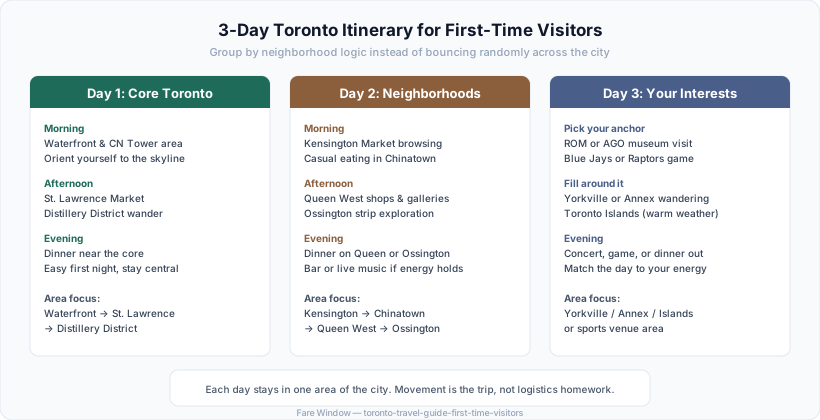
Day 1: Core Toronto
Start around the waterfront and CN Tower area, then work toward St. Lawrence Market and the Distillery District. Keep the day fairly light on transit so you get a feel for the city center before bouncing around.
Day 2: Neighborhood Toronto
Spend most of the day around Kensington Market, Chinatown, Queen West, and Ossington. This is the day that usually makes people like Toronto more because the city starts feeling less like a checklist and more like a place.
Day 3: Your interest day
Use the third day for museums, Yorkville, the Annex, the islands in warm weather, or a sports and nightlife plan. Pick based on your actual interests instead of loyalty to some list written by a man who thinks every traveler wants a brewery tour at 11 a.m.
Practical Toronto travel tips
Toronto is easiest when you plan for distance, transit, and weather instead of assuming every interesting area sits casually next to the last one.
Tips that matter most
- Use transit strategically. The city is walkable in pieces, not as one tiny cluster. The subway and streetcar system covers most first-trip needs.
- Pack for weather shifts. Spring and fall can change fast, and winter wind downtown is serious.
- Do not overstuff the itinerary. Toronto rewards neighborhood time more than attraction speed-running.
- Book major dining plans ahead if they matter. Popular spots can fill up, especially on weekends.
- Stay realistic about budgets. Toronto is not a bargain city, especially for central hotels and peak dates.
Final take
Toronto is best approached as a neighborhood city with big-city infrastructure, not as a one-landmark destination. If you give it 3 to 4 days, stay somewhere practical, and build the trip around food, walking, and a few well-chosen anchors, it is one of the easiest major city breaks in North America to enjoy without overcomplicating the plan.
Planning a trip to Toronto?
Let Fare Window find the best fares
Set your trip's departure and return windows. Fare Window checks every date combination automatically and sends you a daily fare report.
Start your free trialKeep planning
Related travel guides
Explore more first-time destination guides while you compare routes, seasons, and trip shapes.


